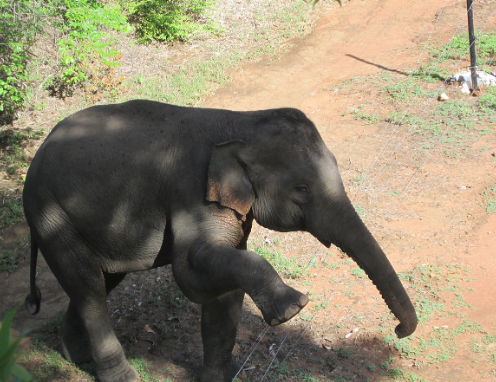
Elephants are remarkable creatures demonstrating complex behaviors that intrigue researchers and conservationists alike. Understanding their behavior not only sheds light on their social and ecological needs but also significantly influences conservation awareness efforts worldwide.
1. Insight into Social Structures
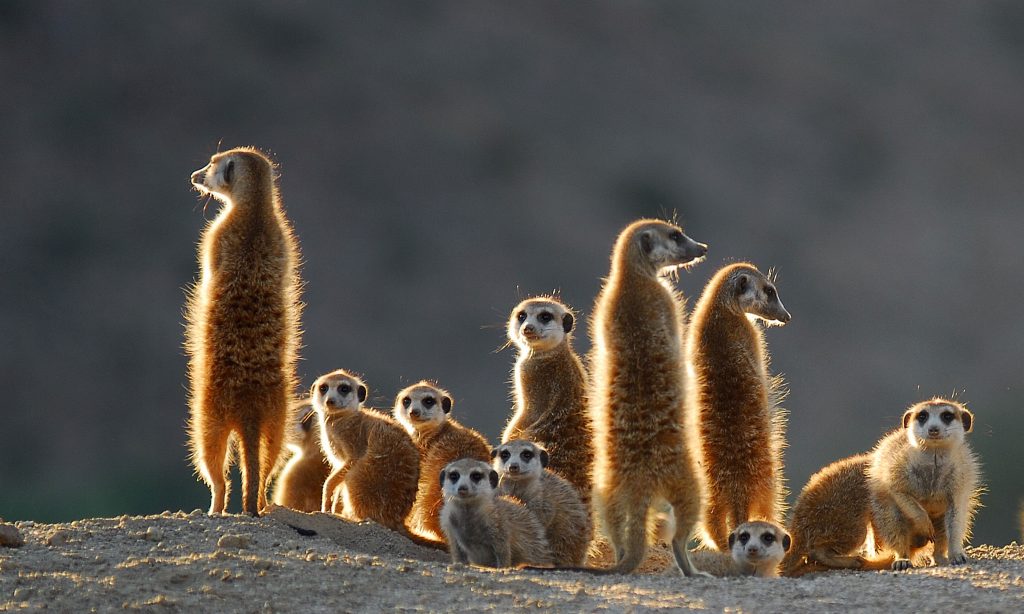
Elephants exhibit intricate social structures, reminiscent of human family dynamics. They often live in matriarchal groups, where the oldest female leads the herd, enabling effective decision-making during foraging and migration. Studies have shown how these social bonds are essential for the overall well-being of the herd, impacting their survival rates. For instance, kinship ties influence access to resources and protection against predators, emphasizing the need for extensive range areas for these groups to thrive.
Understanding these social hierarchies highlights the importance of preserving their natural habitats. If conservationists can illustrate the connection between elephant behavior and habitat loss, they can foster a deeper appreciation in local communities and policymakers. By advocating for designated wildlife corridors, we can ensure safe passage for these majestic animals, preserving their way of life and reducing human-wildlife conflict.
-
- Educate yourself on elephant social structures through documentaries and books.
-
- Support local conservation initiatives that focus on habitat preservation.
-
- Encourage community discussions about the importance of protecting elephant herds.
-
- Advocate for policies that create wildlife corridors.
2. The Role of Communication in Conservation
Elephants communicate using a variety of vocalizations, body language, and even infrasound, which can travel long distances. Studies have shown that their ability to convey messages—such as warnings about predators or alerts about food availability—plays a vital role in their survival. Understanding the nuances of their communication can inform conservation strategies, tailoring educational programs that resonate with local populations and highlight the elephants’ intelligence and emotional depth.
Moreover, by using technology to study their communication patterns, researchers can gather data on elephant populations’ health and behavior in real time. This proactive approach allows conservationists to monitor threats like poaching or habitat destruction more effectively. Publicizing these findings helps increase awareness about the challenges elephants face, driving support for protective measures and legislation.
-
- Learn about elephant communication through workshops and expert talks.
-
- Engage with community projects that integrate communication studies into conservation efforts.
-
- Share your knowledge on elephants’ communication through social media and local platforms.
-
- Support research initiatives focusing on elephant communication.
3. Impact of Behavioral Studies on Anti-Poaching Efforts
Behavioral studies of elephants reveal crucial insights into their routines and migration patterns, essential for anti-poaching strategies. By understanding their behaviors, conservationists can predict where and when elephants are most vulnerable to poachers. For example, if researchers identify critical feeding areas, they can enhance protection around these locations during peak foraging times. This strategic focus significantly reduces poaching incidents and safeguards individual elephants.
Additionally, publicizing the findings from these studies raises awareness about the dire situation facing elephants due to illegal hunting and trafficking. By sharing stories and data about the psychological impact on elephants separated from their families, conservationists can garner emotional responses from the public, motivating greater involvement in conservation efforts and financial support for anti-poaching initiatives.
-
- Stay informed about the latest anti-poaching strategies based on behavioral studies.
-
- Participate in campaigns that raise awareness about the consequences of poaching.
-
- Contribute to organizations working directly on anti-poaching efforts.
-
- Share educational resources on social media to increase visibility.
As we delve into the fascinating world of elephant behavior, we unlock the potential to inspire conservation awareness at multiple levels. Let’s commit to supporting and spreading the knowledge that protects these magnificent animals, safeguarding their future for generations to come.