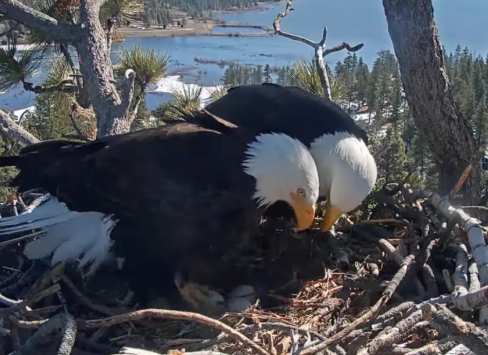
Bald eagles have long captured the fascination of nature lovers and birdwatchers alike. With the advent of technology, nesting cameras have provided us with an unprecedented look into the development of these majestic birds from the comfort of our homes.
1. The Importance of Bald Eagle Nest Cameras
Nest cameras have revolutionized the way we observe wildlife, particularly the nesting behaviors of bald eagles. These cameras offer a real-time view of the eagle’s nurturing process, allowing viewers to witness everything from egg laying to the feeding of chicks. This intimate observation helps raise awareness about conservation efforts and the significance of preserving natural habitats.
Moreover, nesting cameras provide critical information which researchers can use to monitor the health of eagle populations. By tracking nesting success rates and chick survival, scientists can gain insights into factors affecting this iconic species, such as habitat destruction and climate change. Insights obtained from these cameras can influence conservation strategies and policies focused on wildlife protection.
-
- Look for nests that have live cameras streaming footage online.
-
- Participate in citizen science by reporting any unusual observations.
-
- Share your findings on social media to raise awareness.
-
- Follow local regulations about viewing nesting sites to avoid disturbance.
2. The Development Stages of Bald Eagle Chicks
Bald eagle chicks go through several distinct stages of development after hatching. Right after they emerge from their eggs, eagle chicks are covered in gray down feathers and weigh around 3 ounces. They are completely reliant on their parents for food and warmth, making their early days crucial for survival. The parents usually bring food like fish and small mammals, ensuring that their young ones get the necessary nutrients for rapid growth.
As they age, the chicks start losing their down feathers and develop their first set of adult feathers. This stage usually begins around three to six weeks after hatching. Independence is on the horizon, as they begin to venture out of the nest and even practice their wing flapping. This growth journey is fundamental, as the chicks learn to hunt and eventually leave the nest at about 10 to 12 weeks old.
-
- Track chicks’ progress weekly to understand the growth stages.
-
- Note down changes in feather development and behavior.
-
- Engage with community discussions about significant milestones.
-
- Educate children about nature and wildlife through these videos.
3. Challenges Faced by Bald Eagle Chicks
Bald eagle chicks face numerous challenges in their early lives, ranging from environmental hazards to predation. Weather conditions can turn hostile, affecting food availability and influencing the parents’ ability to provide for the chicks. Additionally, human activities like habitat destruction pose serious risks, putting both the chicks and their parents at risk. Without adequate nesting areas, the survival of these young birds becomes precarious.
Predation is another significant challenge. While adult eagles have few natural enemies, their chicks can be susceptible to attacks from larger birds and even mammals. In some instances, eaglets can face competition from their siblings, leading to aggressive behaviors that can affect the survival of the weaker chicks. Understanding these challenges is vital in recognizing the importance of protective measures for these raptors.
-
- Support local conservation organizations focused on eagle protection.
-
- Encourage awareness about habitat preservation in your community.
-
- Participate in volunteering opportunities that help eagle habitats.
-
- Inform others regarding the significance of proper waste disposal to protect wildlife.
4. How to Get Involved in Bald Eagle Conservation
Getting involved in bald eagle conservation is easier than you might think. Many organizations offer opportunities for individuals to contribute through volunteering, donations, or educational seminars. Engaging with these initiatives can not only help the eagles but also enrich your understanding of local ecosystems. Whether you choose to support fundraising efforts or participate in habitat restoration projects, your contributions can make a difference.
Additionally, awareness is an essential factor in conservation efforts. Educating your community can lead to a more significant understanding of the challenges that bald eagles face. Hosting discussions, sharing information on social media, or even organizing local events can greatly influence public attitudes and encourage more individuals to take action.
-
- Research local organizations dedicated to bald eagle conservation.
-
- Attend workshops to learn about the ecological importance of eagles.
-
- Follow key wildlife policies and advocate for responsible practices.
-
- Share your experiences and knowledge to inspire others.
Bald eagle nest cameras offer a fascinating glimpse into the lives of these incredible creatures. By staying informed and taking action, we can all contribute to ensuring the survival of bald eagles for generations to come. Whether through direct participation in conservation efforts or simply spreading the word, every effort counts.