Peregrine falcons, renowned for their incredible speed and hunting prowess, have adapted remarkably well to urban environments. Once facing severe population declines, these raptors have found niches in modern cities, leveraging the structures and abundant food sources available to them.
1. Urban Adaptations of Peregrine Falcons
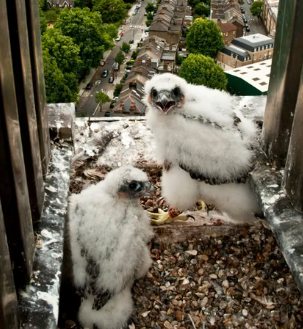
Peregrine falcons have cleverly adapted their hunting and nesting behaviors to thrive in urban settings. Buildings often mimic the high cliffs and ledges that these birds naturally prefer for nesting. In many cities, nest boxes have been installed on skyscrapers, providing safe havens for falcon pairs. This has led to an impressive resurgence in their populations amidst the steel and glass of human-made landscapes.
Their diet has also adjusted in surprising ways. In urban areas, peregrine falcons primarily hunt pigeons, starlings, and other small birds that have become abundant in the cities. This urban prey availability has not only allowed peregrines to flourish but has also made some city locations hotspots for birdwatchers eager to spot these magnificent predators.
-
- Look for signs of nesting sites, like ledges or dedicated nest boxes.
-
- Observe local bird populations to understand what these falcons might be preying on.
-
- Support local conservation efforts that create safe nesting spaces.
-
- Join community birdwatching groups to witness peregrine falcons in person.
2. Conservation Efforts and Successes
The dramatic comeback of peregrine falcons in cities is largely due to concerted conservation efforts. In the mid-20th century, widespread pesticide use led to population declines, pushing these birds towards extinction. However, intense advocacy and the banning of harmful chemicals like DDT allowed for recovery efforts to take root, illustrating the importance of environmental stewardship.
In many urban areas, organizations and local governments have implemented programs to monitor and protect nesting sites. Moreover, educational initiatives have raised public awareness about these birds, fostering a more supportive environment for their survival. Such collaborations between wildlife groups and local authorities have demonstrated that urban environments can play a role in wildlife conservation.
-
- Participate in local wildlife conservation initiatives.
-
- Educate your community about the importance of peregrine falcons.
-
- Support policies that protect bird habitats during urban development.
-
- Volunteer for bird monitoring projects to contribute to research.
3. Living with Peregrine Falcons in the City
For city dwellers, sharing space with peregrine falcons can be an enriching experience. These birds, although fierce hunters, can often be viewed through binoculars or even cameras set up to live-stream their activities. Many urban sites, like rooftops and bridges, have become popular observation points for fans of birds of prey.
However, it’s essential to understand the dynamics of living with such wild animals. Respect for their habitat is crucial, and maintaining a safe distance is necessary to avoid disturbing their nesting or hunting activities. Additionally, being knowledgeable about their behaviors can enhance your experience and appreciation of these incredible birds.
-
- Invest in a good pair of binoculars for birdwatching.
-
- Stay informed about local peregrine nesting seasons.
-
- Respect distance; avoid getting too close to nests.
-
- Document your sightings and share them with local wildlife forums.
Peregrine falcons in modern cities exemplify nature’s resilience and adaptability. Their resurgence reflects not only successful conservation efforts but also the potential for wildlife to coexist with urban environments. By remaining informed and actively participating in conservation practices, we can continue to support these incredible birds and ensure they remain a vibrant part of our urban ecosystems.