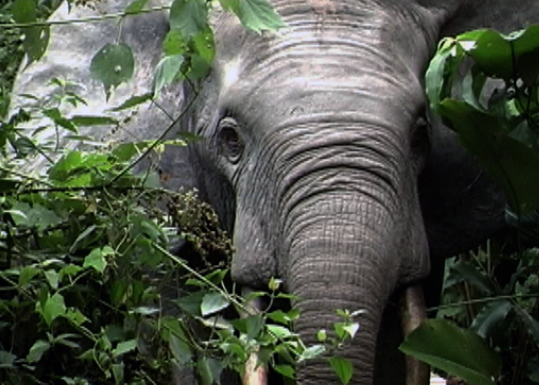
Elephants are not just magnificent creatures; they also play a crucial role in forest regeneration through their unique seed dispersal behavior. Understanding the relationship between elephants and the ecosystems they inhabit sheds light on the importance of conserving these giants of the animal kingdom.
1. The Role of Elephants in Seed Dispersal
Elephants have a remarkable ability to consume and disperse seeds through their digestive systems. When they eat fruits and plant materials, they inadvertently swallow seeds, which travel through their intestines and are excreted in nutrient-rich dung. This dung acts as a natural fertilizer, promoting the germination of the seeds. In fact, many plant species rely specifically on elephants for successful dispersal, making them “keystone” species in their ecosystems.
Additionally, the distance covered by elephants during their daily migrations facilitates the spread of seeds across large areas. This long-distance travel results in a diverse range of plant species finding new opportunities to grow in different environments. Certain plants have evolved to thrive specifically in the conditions created by elephant dung, showcasing the intricate relationship between flora and fauna.
-
- Encourage elephant populations in protected areas to facilitate natural seed dispersal.
-
- Research plant species that depend on elephants for propagation.
-
- Track elephant migration patterns to understand seed distribution.
-
- Support conservation efforts that protect elephant habitats.
2. Forest Regeneration Through Elephant Activity
Elephants contribute significantly to forest regeneration not just through seed dispersal but also through their feeding habits. As they move through the forest, elephants browse on trees and shrubs, impacting plant diversity. Their selective feeding can prevent specific species from dominating, thus promoting a healthier, more balanced ecosystem. The act of uprooting smaller plants creates open spaces for sunlight to reach the forest floor, which is essential for new growth.
Furthermore, the trails created by elephants as they navigate through forests act as natural pathways for other smaller animals and plants. These disturbed areas provide opportunities for a variety of species to thrive, thereby enhancing biodiversity. By altering their landscape, elephants help to ensure that forests remain dynamic and resilient over time.
-
- Observe changes in plant diversity in areas with high elephant activity.
-
- Plant native species that benefit from the ecological effects of elephants.
-
- Document the impact of elephants on forest structure over time.
-
- Encourage community engagement in elephant protection initiatives.
3. Challenges Facing Elephant Seed Dispersal
Despite their vital role in forest regeneration, elephants face numerous challenges which hinder their ability to propagate seeds effectively. Habitat destruction due to deforestation, agriculture, and urban expansion limits their range and impacts the ecosystems they help sustain. Additionally, poaching and human-wildlife conflicts contribute to decreasing elephant populations, which can lead to a decline in plant diversity and forest health.
Climate change also poses significant risks to elephants and their habitats, as shifts in weather patterns may affect migration routes and the availability of food. These stresses can disrupt the symbiotic relationships that elephants hold with various plant species, leading to cascading ecological consequences. It is crucial to take proactive measures to address these challenges to preserve the integral role of elephants in forest ecosystems.
-
- Advocate for stronger anti-poaching legislation and enforcement.
-
- Support sustainable agricultural practices that do not encroach on elephant habitats.
-
- Educate communities about the ecological importance of elephants.
-
- Participate in reforestation initiatives designed to enhance habitat connectivity.
4. The Future of Elephant Seed Dispersal and Forests
The future of forests and their ecological balance depends significantly on elephant populations. Conservation strategies that focus on maintaining healthy elephant populations can improve seed dispersal processes, leading to robust forest regeneration. Protected areas enable elephants to roam freely, which not only supports their needs but also fosters a vibrant ecosystem filled with plant diversity.
Additionally, research and conservation projects are essential to monitor and adapt to changes in elephant behavior and forest dynamics. Collaboration between local communities, conservationists, and governmental organizations can lead to innovative solutions that benefit both elephants and the forests they inhabit. Investing in education and awareness can bridge the knowledge gap and advocate for the protection of these vital creatures.
-
- Engage in local conservation efforts to protect elephant habitats.
-
- Support wildlife organizations that focus on elephant research and protection.
-
- Share knowledge about the importance of elephants in ecosystems with peers.
-
- Encourage local governments to prioritize elephant conservation in policies.
In conclusion, the relationship between elephants and forest regeneration is a vital aspect of maintaining healthy ecosystems. By understanding this dynamic, we can take proactive steps towards conservation efforts that safeguard both these magnificent creatures and the forests that rely on them. If you are passionate about this cause, consider getting involved in local conservation initiatives today.