Elephants are truly remarkable creatures, known for their intelligence and strong social bonds. One of the most fascinating aspects of their biology is their ability to sense vibrations through the ground, a skill that plays a crucial role in their survival and communication.
1. The Science Behind Vibrational Sensitivity
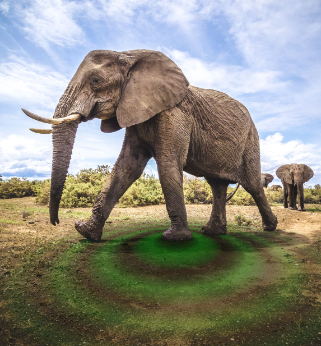
Elephants possess a highly developed sense of hearing, which is complemented by their unique ability to detect vibrations from the ground. These vibrations travel as seismic waves, and elephants are capable of picking them up through specialized structures in their feet and even their trunks. Researchers have noted that the sensitivity to these vibrations is enhanced in an elephant’s feet, where the bones are designed to resonate with the frequencies of seismic waves.
In addition to this anatomical advantage, elephants also have a keen ability to interpret these vibrations. They can discern different types of vibrations, whether they indicate the presence of rainstorms miles away or the footsteps of other elephants. This helps them make informed decisions, such as when to migrate in search of food or water, or when to gather together as a group for protection.
-
- Observe how elephants react to ground vibrations in the wild.
-
- Understand that they can detect movements up to several kilometers away.
-
- Study the frequencies of sounds to see how they correspond with ground vibrations.
-
- Recognize the significance of this ability for their social structures.
2. Communication Through Seismic Signals
Elephants utilize seismic vibrations not just for sensory awareness but also as a form of communication. By stomping their feet or shaking the ground, they can send signals to other elephants nearby. This method of communication is especially useful in densely vegetated areas where vocalizations may not carry as far. This form of non-verbal communication can convey warnings about predators, calls for mating, or alerts about food and water resources.
These seismic signals can travel long distances, providing elephants with vital information about their environment and each other. Recent studies indicate that different frequencies may have specific meanings, allowing elephants to hold nuanced conversations without making a sound. Understanding this behavior can also highlight the importance of conserving their natural habitats, which facilitate this form of communication.
-
- Listen for subtle ground movements when observing elephants.
-
- Note how they respond to vibrational cues from one another.
-
- Consider how habitat preservation can affect their communication.
-
- Research the types of seismic signals used in different situations.
3. Implications for Conservation and Human Activity
The ability of elephants to sense ground vibrations has significant implications for both conservation efforts and human activity. For instance, understanding how these tremors are perceived by elephants can aid in the development of wildlife corridors, which ensure safe migratory paths. When planning infrastructure projects, acknowledging the needs of elephant populations can help mitigate negative impacts on their habitats.
Moreover, this unique sensory ability can also play a role in protecting elephants from poaching. By implementing technologies that monitor ground vibrations, conservationists can track elephant movements and gather data to prevent illegal hunting activities. Such initiatives not only benefit elephants but can also enrich biodiversity in the areas they inhabit.
-
- Support organizations focusing on wildlife conservation.
-
- Engage in community discussions about habitat preservation.
-
- Stay informed about local elephant populations and their needs.
-
- Advocate for policies that protect elephant habitats.
In conclusion, understanding how elephants sense vibrations through the ground reveals the complexity of their interactions with the environment. This knowledge not only fascinates us but also underscores the importance of protecting these magnificent creatures and their habitats. Whether you’re a wildlife enthusiast or simply interested in conservation, there are many ways to contribute to the protection and understanding of elephants.