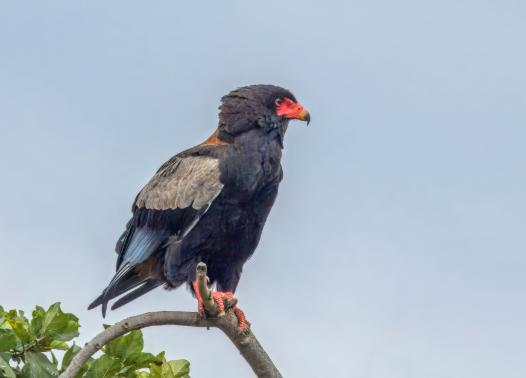
Birds are some of nature’s most fascinating creatures, especially when examining the features that allow them to hunt effectively. Among these features, their talons and beaks are specifically engineered for killing and consuming prey. Understanding the science behind these adaptations can enrich your appreciation for avian life and the intricate ecosystems they inhabit.
1. The Power of Talons
Talons are not just claws; they are lethal tools used for grasping, tearing, and holding prey. Larger birds of prey, such as eagles and hawks, possess incredibly strong talons that can exert substantial pressure, often enough to pierce the skin and bones of their unfortunate victims. The shape of a talon—sharp and curved—allows these birds to secure their catch, making it challenging for the prey to escape. These adaptations have evolved over millennia, fine-tuning their ability to hunt and kill with unmatched efficiency.
Different species have unique adaptations in their talons depending on their feeding habits. For example, the Osprey has long, curved talons that help it catch slippery fish, while the Peregrine Falcon has shorter, sturdy talons designed for catching and immobilizing smaller birds. The strength and shape of these talons not only reflect the bird’s hunting style but also its environment and available prey.
-
- Observe how different birds use their talons in the wild.
-
- Research specific bird species to see their hunting adaptations.
-
- Consider creating a birdwatching log to track which species you encounter.
-
- Look for documentaries focusing on birds of prey to see them in action.
2. The Anatomy of a Fearsome Beak
Beaks serve various purposes, from feeding to grooming, but when adapted for killing, they become formidable weapons. Birds of prey, for instance, tend to have hooked beaks that allow them to tear flesh efficiently. A classic example is the hawk, whose beak is sharp and curved, perfect for ripping into the muscle of its catch. The structure of a beak is designed not only to consume prey but also to keep it firmly in place while tearing it apart.
Different birds have developed a variety of beak shapes based on their dietary needs and hunting strategies. For instance, the beak of the killdeer is flat and wide, allowing it to crush small invertebrates found in mud and shallow waters. Meanwhile, the sharp, pointed beak of the kingfisher is optimized for diving and capturing fish. Each beak type tells a story about the bird’s ecological niche and how it thrives in its environment.
-
- Identify various bird species and their beak shapes as they relate to diet.
-
- Take note of how different beak types function in their natural settings.
-
- Engage in local birdwatching groups to learn more about avian anatomy.
-
- Use binoculars to observe feeding behaviors in the wild.
3. Cooperative Hunting Strategies
Some birds employ cooperative hunting strategies, leveraging their talons and beaks even more effectively. Species such as the Harris’s Hawk are known to hunt in groups, increasing their chances of capturing larger prey. This social structure not only allows for diverse hunting techniques but also creates a support system for younger or less experienced birds. Such cooperation can lead to higher survival rates for the birds involved, reinforcing the advantages of teamwork in the wild.
In contrast, some species might be solitary hunters, relying solely on their skills and adaptations. The Peregrine Falcon is renowned for its speed and solitary approach to hunting, using its powerful talons and beak to take down prey from the sky in spectacular dives. Each hunting approach demonstrates the adaptability of these birds, proving that whether hunting solo or in groups, their specialized structures guarantee success.
-
- Observe bird behavior to see if they exhibit cooperative hunting.
-
- Understand the ecological impact of solitary vs. group hunting.
-
- Engage with local wildlife experts to learn about hunting strategies in different species.
-
- Participate in birdwatching activities focused on hunting behaviors.
4. Impacts of Environmental Factors
The effectiveness of a bird’s talons and beak can be influenced significantly by environmental factors. Changes such as habitat loss, climate change, and food availability alter the types of prey accessible to birds, which in turn impacts their hunting practices. For example, if a species of fish becomes scarce in a given area, eagles may need to adapt their hunting strategies, potentially requiring them to hunt less familiar or more challenging prey.
Additionally, environmental changes can also affect the physical characteristics of birds. Research has shown that birds adapt their size, weight, and even beak shapes in response to altered diets and environments. This adaptability emphasizes the importance of preserving natural habitats so that these magnificent hunters can continue to thrive in their ecosystems.
-
- Learn about local environmental changes affecting bird populations.
-
- Engage in habitat restoration activities to support local wildlife.
-
- Track migratory patterns to understand how birds adjust to changes.
-
- Sign petitions to protect natural habitats from development.
Understanding the incredible adaptations of birds, particularly their talons and beaks, reveals much about their role in the ecosystem and the intricate balance of life within it. If you’re keen on delving deeper into this fascinating topic, consider taking up birdwatching or consulting wildlife professionals. The beauty and complexity of these avian hunters await your discovery.