Birds are remarkable creatures, each with unique adaptations that allow them to thrive in various environments. Among these adaptations, speed is one of the most impressive traits, and some birds have mastered flight in remarkable ways. In this post, we will explore the fastest birds in the animal kingdom, providing insight into their impressive abilities and characteristics.
1. Peregrine Falcon
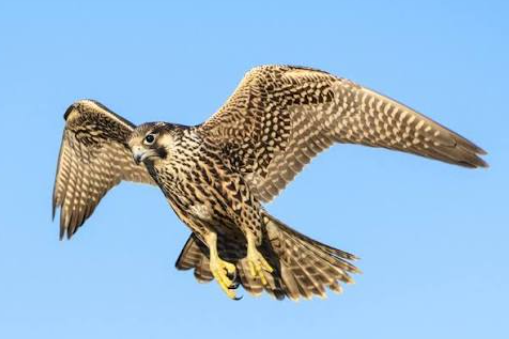
The Peregrine Falcon is renowned for being the fastest bird, and indeed the fastest animal on the planet. When in a dive, or stoop, this bird can reach speeds of over 240 miles per hour. This astonishing speed is aided by its aerodynamic body, pointed wings, and specialized muscles, which allow the falcon to accelerate rapidly as it dives towards its prey.
These falcons are also known for their incredible hunting skills. They can spot prey from great distances, often chasing down other birds mid-flight. This strategy makes them formidable predators in the sky, showcasing not just speed but also precision and agility, which are critical for survival.
-
- Observe how they hunt during a wildlife tour.
-
- Learn about their nesting habits through local birdwatching groups.
-
- Support bird conservation efforts to protect their habitats.
-
- Research their role in the ecosystem as top predators.
2. Golden Eagle
The Golden Eagle stands out as a majestic bird of prey capable of remarkable speeds. While it may not dive as quickly as the Peregrine Falcon, it can reach speeds of around 150 miles per hour when hunting. The Golden Eagle is built for speed and power, featuring long wings and a strong body that make it an adept flyer across diverse terrains.
This eagle’s hunting technique involves soaring high and then swooping down at impressive speeds to catch its prey, which can include rabbits or even small deer. The adaptability of the Golden Eagle to various environments makes it a fascinating subject for bird watchers and wildlife enthusiasts alike.
-
- Trek in regions where they are known to nest for sightings.
-
- Watch documentaries to learn about their hunting tactics.
-
- Engage with eagle watching tours organized in your area.
-
- Support wildlife cameras set up for observing their behavior.
3. Common Swift
The Common Swift is another extraordinary flying bird, renowned for its incredible aerial agility and speed. In level flight, it can reach speeds of approximately 70 miles per hour, but it’s capable of reaching higher speeds while diving. Common Swifts are primarily insectivorous and are often seen soaring in the sky, capturing insects mid-flight, which is why their speed is crucial for survival.
These birds spend much of their time in the air, often sleeping while flying and only landing during breeding seasons. Their streamlined bodies and long wings adapt them perfectly for the sky, showcasing a lifestyle that is almost exclusively airborne. Their unique habits make them a subject of interest for ornithologists and nature lovers.
-
- Spot these birds during their migration seasons.
-
- Learn about their nesting habits in historical buildings.
-
- Participate in local birding events to watch them up close.
-
- Educate others about their ecological importance as insect regulators.
4. Frigatebird
Frigatebirds are known for their impressive wingspan, which can reach up to 8 feet, allowing them to glide effortlessly over oceans at speeds nearing 95 miles per hour. Unlike many other birds, Frigatebirds do not possess waterproof feathers, which requires them to rely on their ability to stay airborne for long periods. They feed primarily on fish and squid, often stealing prey from other seabirds.
What sets Frigatebirds apart is their remarkable flying endurance. They can soar for days without landing, utilizing thermal currents to conserve energy. This adaptation makes them unique among birds, showcasing how speed and endurance can work together for survival in marine environments.
-
- Visit coastal areas to observe their gliding techniques.
-
- Join guided bird-watching events focused on seabirds.
-
- Support marine conservation efforts as they thrive in ocean ecosystems.
-
- Learn about their nesting habits on remote islands.
5. Red-tailed Hawk
The Red-tailed Hawk, while not as fast as the Peregrine Falcon, can still reach impressive speeds of up to 120 miles per hour in a dive. Known for its characteristic reddish tail, this hawk is predominantly found in North America and is celebrated for its adaptability to different habitats. Their keen eyesight allows them to spot potential prey from high altitudes, making them expert hunters.
These hawks often hunt small mammals and birds, using their speed and sharp talons for effective captures. The Red-tailed Hawk’s ability to soar gracefully in the sky while exhibiting bursts of speed showcases the beauty and agility of these birds. Their presence in urban and rural areas alike has made them a familiar sight for many nature enthusiasts.
-
- Learn to identify them by their unique call and plumage.
-
- Explore local parks and natural reserves for sightings.
-
- Support bird rescue organizations that help injured hawks.
-
- Engage in ecological preservation efforts to maintain their habitats.
The speed and agility of birds are genuinely awe-inspiring, showcasing the remarkable adaptations that nature has orchestrated over time. Whether it’s the spectacular dive of the Peregrine Falcon or the soaring grace of the Red-tailed Hawk, each bird offers an opportunity to marvel at nature’s brilliance. Consider exploring local habitats and contributing to bird conservation to deepen your appreciation of these extraordinary avian athletes.