Albatrosses are remarkable birds known for their extraordinary ocean migrations, traveling thousands of miles across vast seas. These majestic creatures have adapted to life over the ocean, and their migratory patterns are a testament to their endurance and navigational skills.
1. Understanding Albatross Migration Patterns
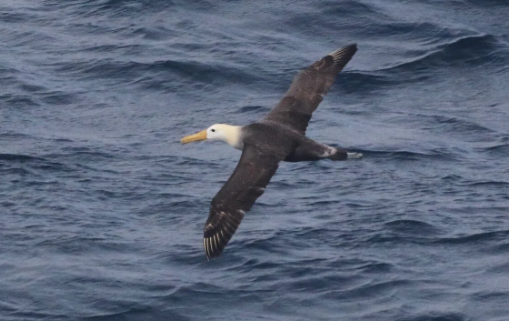
Albatrosses are primarily found in the Southern Ocean, where they embark on some of the longest migrations known to the avian world. Many species can travel up to 10,000 miles in a single journey, often circling the globe in search of food and favorable breeding conditions. For example, the wandering albatross holds the record for the longest wingspan of any living bird, allowing it to glide effortlessly over long distances without flapping its wings.
These migrations are not random; rather, they follow specific patterns influenced by seasonal changes, ocean currents, and food availability. Albatrosses will often migrate towards nutrient-rich waters where upwellings bring food to the surface, allowing them to dive and feast on fish, squid, and other marine life. Understanding their migration helps conserve their habitats, which are vital for their survival.
-
- Research albatross migration routes online.
-
- Monitor seasonal changes in ocean temperature.
-
- Observe how ocean currents impact feeding zones.
-
- Support conservation efforts aimed at protecting their habitats.
2. The Challenges of Long-Distance Migration
Long-distance migration is fraught with challenges for albatrosses. One of the primary threats they face is the increasing prevalence of plastic pollution in the oceans, which impacts their food sources. Studies show that albatrosses often ingest plastic while foraging, mistaking it for food, which can lead to lethal consequences.
Additionally, changes in climate patterns are affecting their migratory routes. Warmer ocean temperatures can shift the availability of prey, causing albatrosses to travel further and expend more energy to find food. This increased energy expenditure can impact their breeding success and overall population numbers, making it critical to monitor their habitats and mitigate human impacts.
-
- Raise awareness about ocean pollution.
-
- Participate in local beach clean-up initiatives.
-
- Advocate for policies reducing plastic use.
-
- Stay informed about climate change effects on marine ecosystems.
3. The Role of Technology in Studying Migration
Advancements in technology, such as GPS tagging and satellite tracking, have revolutionized our understanding of albatross migration. Researchers can now monitor the exact routes taken by these birds, gathering data on their migratory behavior and habitat use. This information is invaluable for conservation efforts, allowing scientists to identify critical feeding and breeding regions.
Furthermore, technology has also enabled the tracking of environmental changes affecting albatross populations. By correlating migration data with oceanographic conditions, researchers can predict how these magnificent birds will adapt to future changes, leading to better conservation strategies. Sharing these findings with the public fosters greater awareness and can prompt collective action toward protecting these iconic species.
-
- Follow scientific updates on albatross tracking projects.
-
- Engage with conservation organizations focused on seabirds.
-
- Participate in citizen science projects related to birdwatching.
-
- Promote the use of technology in wildlife conservation.
4. Conservation Efforts for Albatrosses
The conservation of albatrosses has become increasingly critical as their populations face significant declines. Various organizations are implementing strategies to protect these birds from threats such as bycatch in fishing gear and habitat destruction. Initiatives include the establishment of marine protected areas and the promotion of bird-friendly fishing practices.
Moreover, breeding programs are also being explored to stabilize populations where they are critically low. Public engagement is essential for these efforts; when communities understand the importance of albatrosses and their role in marine ecosystems, they are more likely to support conservation measures. Participating in citizen science projects can also help gather valuable data for researchers.
-
- Join local birdwatching groups to monitor albatross populations.
-
- Support businesses that practice sustainable fishing.
-
- Volunteer for wildlife conservation programs.
-
- Educate others about the importance of albatrosses.
In conclusion, albatrosses are astonishing creatures that travel thousands of miles across the ocean, facing numerous challenges along the way. By understanding their migration patterns, supporting conservation efforts, and using technology effectively, we can help ensure their survival for generations to come. Take a moment to learn more about these magnificent birds and consider how you can contribute to their conservation. Every action counts!