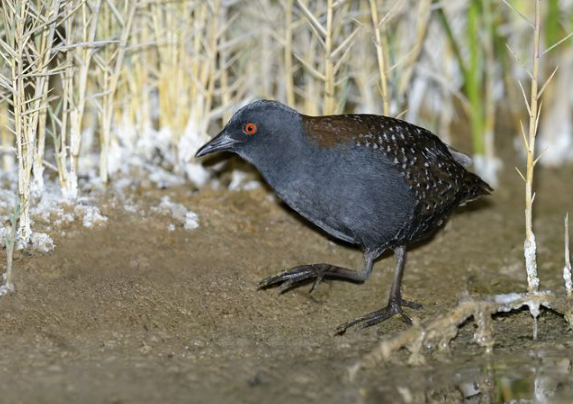
Exploring remote wilderness areas can yield incredible discoveries, especially for birdwatchers and nature enthusiasts. One of the most thrilling aspects of these expeditions is the opportunity to observe rare birds in their natural habitats. In this blog post, we will delve into the world of rare birds filmed in secluded locations and share tips on how to enhance your wildlife watching experience.
1. Discovering Rare Avian Species
In the heart of unspoiled wilderness, rare avian species thrive away from human interference. These birds often inhabit ecosystems that are fragile and difficult to access, ranging from dense rainforests to high-altitude mountains. The key to discovering these elusive creatures lies in understanding their habitats, feeding patterns, and breeding behaviors. For instance, the Kakapo, a flightless parrot from New Zealand, thrives in native forests and is nocturnal, making it crucial to time your observations accordingly.
Many of these rare species have unique adaptations that enable them to survive in their specific environments. For example, the California Condor, once on the brink of extinction, is known for its impressive wingspan and scavenging habits. Efforts to film these birds in remote locations help raise awareness about their conservation needs and the importance of preserving their habitats. Enthusiasts often document these moments, contributing valuable data to scientists and conservationists.
-
- Research the specific bird species you hope to encounter.
-
- Understand the habitat requirements of the birds.
-
- Timing is crucial; know the best seasons and times to observe.
-
- Consider joining guided tours focused on birdwatching.
2. Essential Equipment for Birdwatching
When embarking on a journey to film rare birds, having the right equipment is vital. High-quality binoculars and a good camera with a powerful lens can greatly enhance your experience. Binoculars with at least 8x magnification and a wide field of view allow you to observe birds without disturbing them, while a DSLR or mirrorless camera with a telephoto lens can capture stunning images from a distance.
Additionally, a sturdy tripod is invaluable for stable shots, especially during long hours of waiting. Field guides or bird identification apps can also be beneficial in recognizing species by sight and sound. Finally, don’t forget the importance of a notebook or digital device for documenting information like location, weather conditions, and species behaviors, which can be useful for both personal records and scientific contributions.
-
- Invest in high-quality binoculars and a telephoto camera lens.
-
- Bring a sturdy, portable tripod for stable photography.
-
- Utilize field guides or bird identification apps for accuracy.
-
- Document your findings consistently for future reference.
3. Techniques for Ethical Birdwatching
While the allure of filming rare birds is undeniable, it’s crucial to prioritize ethical birdwatching practices. Keeping a respectful distance minimizes stress to the birds and their environment. This entails being aware of your surroundings and avoiding habitats that are particularly sensitive, such as nesting areas during breeding season. Using sound equipment minimally or avoiding playback calls can help reduce stress on wildlife.
Moreover, educating yourself about local regulations and guidelines helps ensure that your birdwatching contributes positively rather than negatively to these fragile ecosystems. Engaging with local conservation groups can also provide insights on responsible practices while yielding the opportunity to participate in community efforts to protect these rare species.
-
- Maintain a respectful distance from all wildlife.
-
- Avoid using playback calls excessively to minimize stress on birds.
-
- Educate yourself on local regulations regarding wildlife observation.
-
- Engage with conservation groups for ethical practices.
4. Filming Techniques to Enhance the Experience
Capturing high-quality footage of rare birds requires some practical filming techniques. Understanding light and how it affects your shots is essential; early morning or late afternoon offers softer lighting, which can lead to stunning visuals. Be patient and remain still, as sudden movements can startle birds and disrupt your shot. Additionally, consider using a longer focal length lens, which enables you to capture details from a distance without intruding on the birds’ space.
It’s also important to familiarize yourself with bird behavior. Knowing when a bird is likely to preen, feed, or engage in social interactions can help you anticipate and capture these moments on camera. Preparing a shot list based on your research can assist in framing your video narrative, ensuring you don’t miss out on opportunity during your excursion.
-
- Utilize early morning or late afternoon light for softer visuals.
-
- Remain still and quiet to avoid startling the birds.
-
- Consider using longer focal length lenses for better detail.
-
- Learn about bird behavior to predict interesting moments.
Exploring remote wilderness areas to observe and film rare birds can be both thrilling and rewarding. By equipping yourself with the right tools and respecting the birds and their habitats, you can contribute to the important work of conservation while enriching your own adventures. Embrace the journey, and let your passion for nature lead the way!