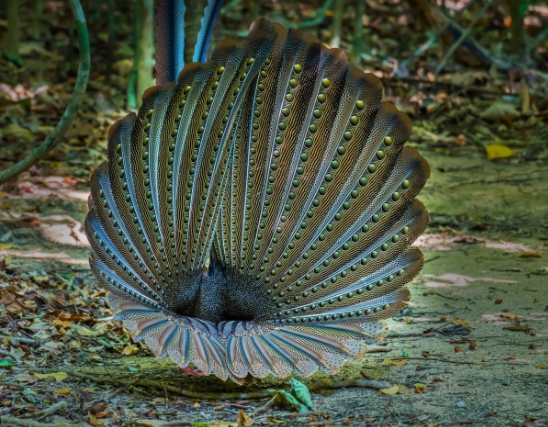
Bird courtship dances are one of nature’s most captivating displays, exhibiting a blend of beauty, grace, and instinct. These rituals play a crucial role in attracting mates and ensuring the continuation of species. In this blog post, we will delve into some fascinating courtship dances performed by various birds in the wild.
1. The Elegant Waddle of the Western Grebe
The Western Grebe is renowned for its elaborate courtship display, which consists of synchronized swimming and intricate dance moves on water. Males and females perform a series of graceful movements, bobbing their heads, diving, and even leaping out of the water. This performance not only showcases their physical fitness but also signals their readiness to mate. Researchers have observed that the more impressive the dance, the more likely they are to attract a partner.
In addition to their water dances, these grebes also engage in a unique behavior known as “rushing.” During this phase, they swim towards each other rapidly, diving and surfacing in a harmonious rhythm. This synchronization strengthens their bond and serves as a prelude to mating. Courtship can often last for days, with both partners dedicated to putting on a show for each other.
-
- Observe the water’s surface for the sudden movements of grebes.
-
- Look for synchronized swimming patterns between the pairs.
-
- Note the duration of their performances; the longer, the better!
-
- Be patient and watch for the “rushing” behavior.
2. The Colorful Display of the Bowerbird
Bowerbirds, primarily found in Australia and New Guinea, have a unique method of courtship: they build intricate structures called bowers designed specifically to attract females. The male bowerbird will collect colorful objects such as flowers, shells, and even bits of plastic to embellish his bower. This display not only showcases his creativity but also his ability to gather resources, which is a desirable trait in a mate.
Once the bower is complete, the male will perform a series of dances and vocalizations while displaying his collection. The bowerbird’s dancing involves dynamic movements and often includes hopping around the bower to showcase his plumage. Females observe from a distance, evaluating both the quality of the bower and the male’s impressive courtship displays before choosing a partner.
-
- Visit natural reserves or areas to spot bowerbirds during mating season.
-
- Look for colorful decorations surrounding their bowers.
-
- Take note of the male’s dance moves around the bower.
-
- Consider the variety of materials; unique finds can be more appealing.
3. The Dynamic Dance of the Bird of Paradise
Birds of Paradise are famed for their extravagant courtship displays and vibrant plumage. Males perform a series of complex dances that involve rapid movements, exaggerated posturing, and stunning vocalizations. The species often utilizes bright colors and unique physical traits such as frills and fancy feathers to capture the attention of potential mates.
One significant aspect of their courtship is the setting; many Birds of Paradise will perform on carefully chosen display areas, often positioned to catch the sunlight and highlight their colorful feathers. The male’s performance may include aerial acrobatics and unique sounds that create a mesmerizing spectacle for females. This combination of movement and visual appeal is what makes their courtship truly captivating.
-
- Find birdwatching tours that specialize in birds of paradise.
-
- Research their mating displays to increase your understanding.
-
- Observe the importance of the environment in their displays.
-
- Keep your camera ready; patience pays off during these visual feasts!
4. The Fluttering Dance of the Manakin
Manakins, primarily found in Central and South America, exhibit incredibly unique courtship dances that often resemble a fast-paced version of the tango. Males perform elaborate shows that include rapid wing flutters, jumps, and even acrobatic turns while competing for the attention of females. Each species of manakin has developed its signature style, making these dances both varied and fascinating to observe.
One of the most striking aspects of manakin courtship is the synchronized performances by groups of males. This group dynamic not only adds a layer of competition but also demonstrates their collective effort to impress the females. The head-to-head nature of their displays often leads to thrilling encounters as the males strive to outshine one another.
-
- Find local birdwatching spots known for manakins during mating seasons.
-
- Pay attention to the specific moves unique to each manakin species.
-
- Be quiet and patient; these dances can be fleeting yet exhilarating.
-
- Consider joining guided tours to learn more about their behaviors.
5. The Call of the Lyrebird
The Lyrebird, a spectacular musician of the avian world, demonstrates an exquisite courtship ritual primarily through song. Males mimic a variety of sounds from their environment, including other birds, mechanical noises, and human-made sounds. This mimicry creates an enchanting auditory backdrop that serves to attract females, showcasing their creativity and adaptability.
During the courtship display, the male also pairs his vocal performances with various physical postures and movements to highlight their iridescent tail feathers. The complex repertoire of sounds and the visual display creates a dynamic performance that can last for several minutes. Females will approach to assess these combined traits, playing a crucial role in mate selection.
-
- Listen for the incredible range of sounds during their mating season.
-
- Observe how the male changes physical displays in response to female behavior.
-
- Try recording the sounds for educational purposes.
-
- Join local birdwatching or sound recording groups to deepen your knowledge.
Bird courtship dances not only captivate the eye and ear but also provide critical insights into the behaviors and evolutionary adaptations of different species. If you find yourself inspired by these unique displays, consider visiting local parks or reserves to experience them firsthand. Each season offers new opportunities to observe nature’s most beautiful performances.