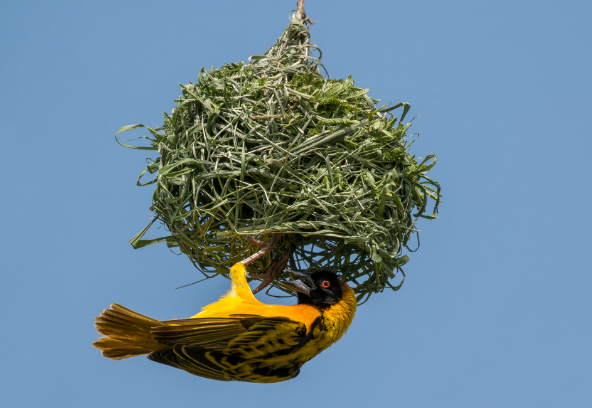
Weaver birds are fascinating creatures known for their intricate nest-building skills. Living in colonies, these birds create stunning hanging nests that not only serve as homes but also play a significant role in their social structures.
1. The Art of Nest Building
Weaver birds, primarily found in Africa and parts of Asia, demonstrate remarkable engineering skills in constructing their nests. Using various grasses, reeds, and even leaves, they weave these materials together to form intricate structures. Some species, like the Village Weaver, create nests that can be several feet long, often hanging from trees or shrubs to protect their eggs from predators.
The process of building these nests is not solely a solo affair; it involves teamwork and coordination among the colony members. Males are usually responsible for building the nests to attract females. They often build multiple nests at once, as females fly around assessing which nests meet their standards. This leads to competition and encourages males to enhance their craftsmanship, resulting in beautifully intricate designs.
-
- Observe local weaver birds in your area to understand their building techniques.
-
- Research different species of weaver birds to discover unique nesting behaviors.
-
- Consider volunteering for a bird conservation group to learn more and contribute support.
-
- Take photos of interesting nests you’ve encountered for documentation.
2. The Social Structure of Weaver Colonies
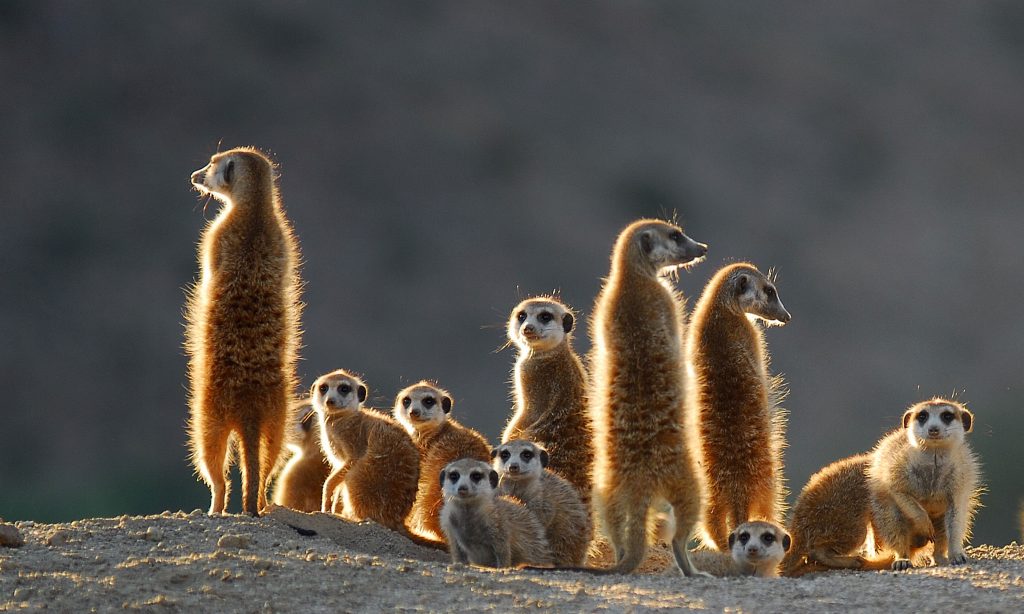
Weaver birds are highly social creatures, and their colonies often consist of dozens to hundreds of nests. This social structure provides several advantages, including increased protection against predators. By living in a colony, the increased activity and noise created by many birds help to alert each other of approaching danger.
Within these colonies, each bird has its own nesting space, but the nests are close together, creating a communal atmosphere. The social interactions are crucial for raising young, as multiple females may share a territory, and males can quickly learn and adapt based on observations of successful parents. This collaborative environment also facilitates gene diversity as different mating options are available.
-
- Visit a local nature reserve to see weaver bird colonies in action.
-
- Document different social behaviors you observe among the birds.
-
- Engage in discussions with ornithologists or birdwatchers to expand your knowledge.
-
- Consider contributing to citizen science initiatives focused on bird behavior.
3. The Role of Weaver Birds in Ecosystems
Weaver birds play a crucial role in their ecosystems by influencing plant growth and serving as prey for larger predators. The nests themselves, while designed for protection, often provide shelter for other small species after they are abandoned. This aspect of their lifecycle contributes to maintaining biodiversity within their habitats.
Moreover, as they feed on seeds and insects, these birds help control pest populations while promoting seed dispersal. This activity aids in plant reproduction, making them integral components of their ecosystems. Thus, protecting their habitats is crucial not only for their survival but for the overall health of the environment.
-
- Learn more about local flora that relies on weaver birds for pollination and seed dispersal.
-
- Participate in habitat restoration projects targeting areas where weaver birds reside.
-
- Promote conservation efforts through social media or local advocacy groups.
-
- Research ways to create bird-friendly spaces in your backyard or community.
4. Challenges Facing Weaver Birds
Despite their remarkable resilience, weaver birds face several challenges that threaten their populations. Habitat destruction due to urban development and agricultural expansion is one of the most significant issues. As their natural living spaces diminish, finding suitable nesting materials becomes increasingly difficult.
Additionally, climate change impacts their reproductive cycles and food availability, posing a further risk. Extreme weather events can destroy nests, while shifting temperatures may alter food sources, making survival harder. Community awareness and proactive measures are essential to ensure these birds continue to thrive.
-
- Support local conservation programs dedicated to weaver bird protection.
-
- Participate in efforts to raise awareness about environmental challenges they face.
-
- Reduce your ecological footprint to help protect their habitats.
-
- Engage with wildlife organizations to stay informed on conservation strategies.
In conclusion, weaver birds and their captivating hanging nests are not just a marvel of nature but vital to their ecosystems. By learning more about these remarkable birds and taking proactive steps to support their habitats, we can contribute to their survival and well-being. Consider joining conservation efforts or educating others about these fascinating creatures to help protect their future.