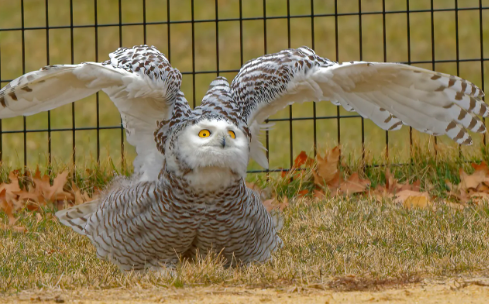
Owls are often celebrated for their mysterious allure and pivotal role in various ecosystems. What’s fascinating is how some species have adapted to thrive in urban settings, showcasing their remarkable resilience and intelligence.
1. The Rise of Urban Owls
As cities expand, they encroach on traditional owl habitats. However, species like the Barn Owl and Eastern Screech Owl have found ways to flourish amidst the hustle and bustle. These adaptable birds utilize urban structures such as parks, rooftops, and abandoned buildings for nesting, displaying their ability to make the most of available resources. By taking advantage of artificial lighting and human-made perches, urban owls can hunt more effectively and find ample food sources within the city.
Not only do these owls find shelter in city landscapes, but urban environments also provide a unique hunting ground. For example, with an abundance of rodents and small birds attracted to human waste, city owls enjoy a diet that can be quite varied. An increase in vocalization, especially in the evenings, is a sign that these birds have made a new home in urban areas while continuing their vital role as predators.
-
- Encourage urban wildlife by minimizing pesticide use.
-
- Plant native vegetation in your yard to provide food and shelter.
-
- Ensure that any outdoor lighting is owl-friendly to prevent disorientation.
-
- Educate your community about the importance of owls in urban ecosystems.
2. Challenges Faced by Urban Owls
Despite their adaptability, city owls face numerous challenges that can hinder their survival. One significant threat is habitat fragmentation due to urban development, which reduces their hunting grounds and nesting sites. Additionally, light pollution can disrupt their natural behaviors, making them more vulnerable to predators and affecting their reproduction cycles. The noise in urban areas can also interfere with their communication and hunting abilities, leading to decreased success in finding food.
Furthermore, as cities continue to grow, vehicle collisions become an increasing hazard for these birds. Owls are often drawn to roads as they hunt for prey, resulting in tragic accidents. To mitigate these risks, it’s crucial for city planners to consider the impact of urban layouts on local wildlife, creating corridors that allow owls and other animals to safely navigate through urban landscapes.
-
- Support local initiatives focused on wildlife conservation.
-
- Advocate for wildlife corridors in urban planning discussions.
-
- Report any instances of injured owls or wildlife to local rehabilitation organizations.
-
- Educate others about the risks wildlife face in urban settings.
3. Promoting Coexistence with Urban Owls
Cities can be designed to coexist with nature, and promoting owl-friendly practices is essential. Homeowners can build nest boxes to attract owls and create safe habitats for them. It’s also beneficial to maintain natural green spaces within urban areas, providing essential resources for owls and other wildlife. By planting trees and shrubs, neighborhoods can foster environments conducive to owl habitation.
Community involvement can play a crucial role in ensuring the well-being of urban owls. Educational programs in schools and community centers can teach residents about the species local to their area, including their habits, benefits, and ways to coexist peacefully. These initiatives not only promote awareness but also encourage participation in local conservation efforts, creating a more harmonious urban ecosystem.
-
- Install owl boxes in your yard to provide nesting sites.
-
- Create green spaces in your community to enhance habitat diversity.
-
- Get involved in local wildlife conservation programs.
-
- Host community events focused on urban wildlife education.
In conclusion, urban owls exemplify adaptability and resilience in the face of human encroachment. By supporting their coexistence and raising awareness about their challenges, we can contribute to a more sustainable future for both owls and urban environments. Consider taking action by educating yourself and your community about these fascinating birds.