Birds are among the most fascinating creatures on the planet, not just for their vibrant colors and graceful flight, but also for their unique calls and ability to mimic sounds. Some birds stand out with unusual vocalizations that can range from eerie melodies to humorous imitations. Understanding these calls can deepen our appreciation for avian diversity and communication.
1. The Lyrebird: Nature’s Vocal Virtuoso
The lyrebird, native to Australia, is renowned for its extraordinary ability to mimic natural and artificial sounds. Its elaborate courtship display includes imitating other birds’ calls, chainsaws, camera shutters, and even human voices. This skill not only attracts mates but also allows them to blend harmoniously into their environment or stand out when necessary.
There are two primary species of lyrebirds: the superb lyrebird and the Albert’s lyrebird, both of which showcase unparalleled mimicry. The superb lyrebird, for example, can imitate up to 20 different species of birds, making its vocal repertoire impressive and varied. This remarkable mimicry has spurred research into the cognitive abilities of these birds, revealing their impressive memory and social learning skills.
-
- Stealthily observe lyrebirds during their mating rituals.
-
- Record their calls for a more in-depth comparison.
-
- Learn about the different species they mimic.
-
- Visit national parks in Australia to listen to them in their natural habitat.
2. The Whip-poor-will: The Nighttime Singer
The whip-poor-will is a nocturnal bird known for its repetitive, haunting call that sounds like its name. Found primarily in eastern North America, these birds call out at dusk and throughout the night, creating a serene ambiance in forested areas. Their vocalization consists of a single phrase, repeated multiple times, which can be heard from a distance.
Whip-poor-wills are not just about their calls; they have fascinating behaviors tied to their vocalizations. During mating season, males call to establish territory and attract females. Their distinctive calls add a sense of mystery and allure to their environment, making them a favorite among birdwatchers and nature enthusiasts, particularly in summer.
-
- Plan a night hike to listen for whip-poor-wills.
-
- Bring binoculars to spot them during dusk.
-
- Learn how their calling patterns change seasonally.
-
- Keep a journal of the sounds you hear in nature.
3. The Mockingbird: A Melody of Imitation
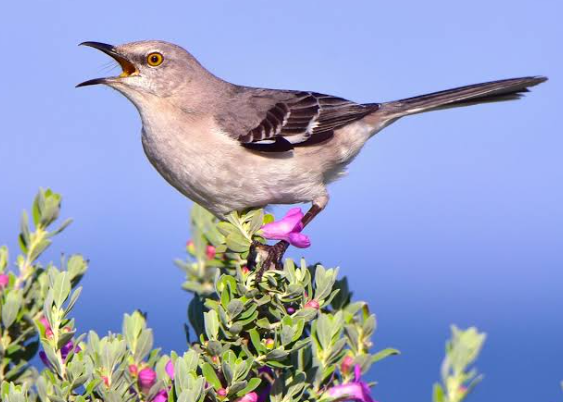
Mockingbirds are famous for their extraordinary mimicry, capable of imitating the sounds of more than 200 different species, including frogs, insects, and other birds. Native to the Americas, these birds exhibit remarkable adaptability, often using their mimicry to defend their territory or attract mates. Their versatility makes them one of the most entertaining birds to listen to.
A male mockingbird’s call is often characterized by long phrases that can last from a few seconds to several minutes. During spring, their vocal prowess peeks as they freely combine and duplicate calls they’ve learned through the years. This musicality is not just for show; it plays a significant role in their social interactions and reproductive success.
-
- Create a listening station in your backyard to hear mockingbirds.
-
- Identify the different sounds they imitate for fun.
-
- Watch how their calls change based on the time of day.
-
- Engage local birdwatchers to share recordings.
4. The African Grey Parrot: The Genius of Mimicry
Renowned for their intelligence, African grey parrots are known for their cognitive abilities and exceptional mimicry skills. Native to the rainforests of West and Central Africa, these birds can imitate human speech and sounds with astonishing clarity. In captivity, they can learn words and use them contextually, making them compelling companions.
Their vocalization ranges from sharp whistles to clear speech, showcasing a remarkable ability to adapt their sounds to their surroundings. African greys are frequently trained to communicate basic commands and even perform tricks based on verbal cues. Listening to these parrots can provide a glimpse into their intellectual depth, captivating bird lovers and pet owners alike.
-
- Spend time talking to your African grey to enhance its mimicry.
-
- Offer toys that produce sounds to encourage vocal play.
-
- Teach simple commands and phrases for interaction.
-
- Record their sounds to appreciate the variety in their vocalizations.
Birds with strange calls and remarkable vocal mimicry aren’t just fascinating to observe; they open windows into the complexities of avian life. By learning about these extraordinary creatures and their unique sounds, you’re encouraged to further explore their habitats, fostering a deeper connection with nature. Consider visiting local parks, volunteering with bird conservation groups, or starting a backyard birdwatching project to experience the wonder of birds firsthand.