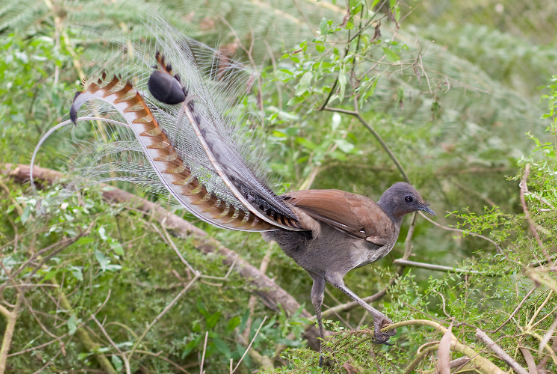
Lyrebirds are captivating creatures found within the lush Australian forests, renowned for their extraordinary mimicry. These enchanting birds possess the remarkable ability to copy sounds from their environment, echoing everything from the calls of other birds to the mechanical noises of chainsaws. In this blog post, we will delve deeper into the fascinating world of lyrebird mimicry and its significance in the ecosystem.
1. The Art of Mimicry
Lyrebirds, particularly the superb lyrebird, are often celebrated for their complex vocal mimicry. This avian talent allows them to imitate an astonishing range of sounds with incredible precision. For example, they can replicate the songs of various birds, car alarms, and even human-made noises. Studies have shown that these birds utilize mimicry not merely for entertainment, but as a crucial part of their mating rituals and territory establishment.
The mimicry serves multiple purposes within their social structure. Male lyrebirds use their diverse sound repertoire to attract females during the breeding season. The more varied and impressive their mimicry, the more appealing they are to potential mates. This not only showcases their genetic fitness but also highlights their adaptability to their environment.
-
- Observe lyrebirds in their natural habitat.
-
- Record different sounds they mimic for a better understanding.
-
- Learn about their social behaviors during the breeding season.
-
- Appreciate their role in the ecosystem as indicators of environmental health.
2. The Role of Mimicry in Ecosystem Dynamics
The mimicry skills of lyrebirds play a vital role in the dynamics of Australian ecosystems. By mimicking other species, lyrebirds can protect themselves from predators. For instance, the mimicry of alarm calls can deter other animals or even confuse predators, allowing lyrebirds to survive and thrive in the wild. This adaptive behavior illustrates the intricate relationships that exist within forest environments.
Moreover, lyrebirds contribute to the dispersal of seeds as they forage for insects and other food. Their unique foraging habits often disturb the ground, facilitating the growth of various plant species. Additionally, their presence is crucial for maintaining the balance of the ecological community, establishing them as key players within their environments.
-
- Study the interactions between lyrebirds and other species.
-
- Note how mimicry affects predator-prey relationships.
-
- Explore the influence of lyrebirds on biodiversity in forests.
-
- Participate in local conservation efforts to protect their habitats.
3. Conservation of Lyrebirds and Their Habitats
Despite their adaptability, lyrebirds face significant threats due to habitat destruction and climate change. Urban expansion and deforestation result in the loss of their natural habitats, forcing them into smaller, fragmented areas. Conservationists are increasingly advocating for protected areas and sustainable land management practices to ensure that these birds continue to thrive in their wild habitats.
Community awareness and involvement are essential steps toward protecting lyrebirds. Educating local populations about the ecological importance of these birds can promote conservation efforts. Engaging in birdwatching activities, participating in citizen science projects, and supporting ecological research can enhance our understanding and appreciation of lyrebird habitats.
-
- Support conservation organizations focused on protecting habitats.
-
- Participate in local workshops about lyrebird ecology.
-
- Spread awareness in your community through discussions and social media.
-
- Volunteer for habitat restoration projects.
In conclusion, lyrebird mimicry is not only a fascinating phenomenon but also plays a crucial role in maintaining the balance of Australian forests. By understanding their behavior and supporting conservation efforts, we can help ensure that these remarkable birds continue to enchant future generations. Whether through travel, education, or local involvement, every effort counts in preserving their legacy.