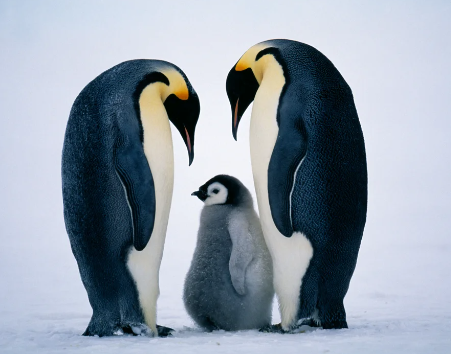
Penguins are some of the most fascinating creatures in the animal kingdom, especially when it comes to their unique parenting methods in the harsh, cold climates of Antarctica. Despite the extreme temperatures, these birds exhibit remarkable resilience and cooperation to ensure the survival of their young. In this blog post, we will explore the intricate roles penguin parents play in raising their chicks during the frigid winter months.
1. The Role of the Male Penguin
In the world of penguins, the male plays a pivotal role in the parenting process, especially right after the eggs are laid. Male penguins are responsible for the incubation of the eggs, which can last several weeks. During this time, the male balances the need to keep the egg warm while also facing the brutal cold. He often huddles with other males to conserve heat, a strategy that not only protects the eggs but also strengthens community bonds.
Moreover, male penguins can go without food for extended periods while they incubate their eggs. This fasting is a remarkable feat of endurance and dedication. Once the chicks hatch, the males transition into feeding and nurturing roles, often regurgitating food from their stomachs to feed their hungry offspring. This unique feeding method ensures the babies get the nutrients they need to grow strong in a challenging environment.
-
- Monitor the temperature around the eggs closely to ensure optimal conditions.
-
- Share warmth with fellow males to stay insulated during incubation.
-
- Be prepared to fast; consider training for endurance before breeding.
-
- Maintain a healthy diet in the run-up to breeding season to support your energy needs.
-
- Practice regurgitation techniques to effectively feed your chicks.
2. The Role of the Female Penguin
Female penguins also have crucial responsibilities, particularly once the eggs are fertilized. After mating, the female lays one or two eggs and then shifts her focus on gaining weight and building fat reserves to prepare for the demanding fasting period. This preparation is critical, as the females often need to venture out to sea to forage for food after the males take over incubation duties.
Once the males have finished incubating the eggs and they’ve hatched, female penguins return to take their turn in nurturing the chicks. This period involves an intricate dance between parents where both take turns foraging for food. The females will go for longer periods to find nutritious fish and krill, as they know the survival of their young relies on their ability to bring back food quickly and in sufficient quantities.
-
- Keep an eye on your body weight and health in preparation for egg-laying.
-
- Focus on foraging efficiency to maximize the food intake during outings.
-
- Establish a communication system with your mate to coordinate feeding times.
-
- Utilize the surrounding environment to find the best foraging spots.
-
- Practice swimming techniques that enable quick and effective hunting.
3. Collaborative Parenting Strategies
One of the most remarkable aspects of penguin parenting is their collaborative strategies. Penguins often employ the buddy system, where they take turns caring for their young while one parent goes out to hunt. This teamwork is essential not only for feeding the chicks but also for keeping them warm and safe from predators. When one parent hunts, the other stays close to guard the young, showcasing the strong bond between mates.
This cooperative approach extends beyond just the immediate family. Often, groups of penguins huddle together to share warmth, creating a protective shield against the biting cold of their environment. This communal huddling has been shown to significantly increase the survival rates of both adults and their chicks, demonstrating the importance of social bonds in the penguin community.
-
- Establish clear communication cues between parents to coordinate duties.
-
- Create a safe huddle during extreme weather conditions to protect your young.
-
- Rotate responsibilities frequently to prevent exhaustion in either parent.
-
- Engage with other penguin families to enhance community support.
-
- Teach chicks the importance of cooperation as they grow.
4. Adaptation to Climate Challenges
The extreme cold poses numerous challenges for penguins, but their parenting strategies have evolved to meet these obstacles effectively. One adaptation includes specialized feathers that provide insulation and waterproofing, allowing penguins to spend long periods in freezing waters with minimal heat loss. Moreover, their unique fat distribution offers both buoyancy and warmth, critical for both adults and their young.
Additionally, penguins are known for their remarkable behavioral adaptations. For instance, when temperatures plummet, parents will often adjust where they are located based on weather patterns. They may choose to stay closer to the huddle during harsh weather conditions, ensuring all chicks benefit from a shared warmth source. This flexibility reflects their inherent ability to adapt to changing environments.
-
- Stay informed about upcoming weather conditions to adjust your parenting style.
-
- Utilize your insulating body features to protect your chicks during cold snaps.
-
- Practice foraging in varying temperatures to acclimate yourself.
-
- Maintain vigilance during nesting to protect against environmental hazards.
-
- Encourage your chicks to develop their own heat-retention techniques as they mature.
In conclusion, the parenting roles of penguins demonstrate remarkable adaptability and cooperation in one of the harshest climates on Earth. By working together and employing unique strategies, penguin parents ensure the survival of their young, thus continuing the cycle of life in extreme conditions. Next time you watch these fascinating birds, take a moment to appreciate their incredible parenting instincts that enable them to thrive in the cold. Consider researching or even getting involved in conservation efforts to support these remarkable creatures in their natural habitat.