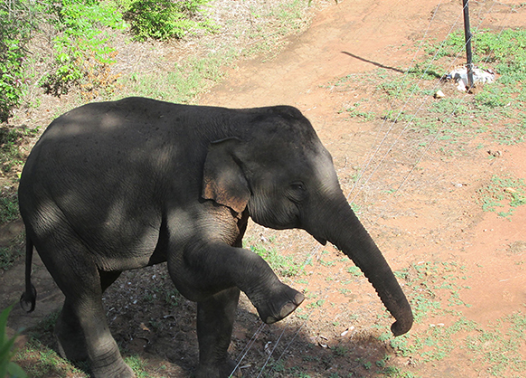
Elephants are majestic creatures known for their intelligence and complex social structures. However, their behavioral patterns are increasingly influenced by human activity, leading to significant changes in their natural actions and interactions.
1. Altered Social Structures
The intricate familial bonds that elephants share are at the heart of their social structure. In areas heavily impacted by human activities, such as poaching, habitat destruction, or frequent human visitation, these relationships can become strained. For example, matriarchs, who are pivotal in guiding herds, may be lost to poachers, leading to younger elephants taking charge who may not yet have acquired the necessary skills for leadership.
Additionally, the presence of humans can disrupt typical social interactions. Elephants may become more solitary or form less stable bonds due to increased stress. This has been observed in regions like Africa where elephants have had to adapt to living near agricultural areas, causing them to avoid traditional migration routes to evade human encounters.
-
- Observe elephants in natural habitats to understand their social dynamics.
-
- Support conservations that protect elephant families and matriarchs.
-
- Educate others about the importance of preserving their social structures.
-
- Volunteer for or donate to organizations focused on elephant conservation.
2. Increased Aggression and Stress
Exposure to human activity often results in heightened stress levels for elephants. This stress can manifest as aggression, especially when elephants feel threatened. Instances of human-elephant conflict, such as crop-raiding, can provoke violence from elephants who find their territory encroached upon. This aggression not only endangers humans but also leads to retaliatory actions against elephants, often resulting in deaths.
Moreover, stressful environments can induce physical ailments in elephants, such as compromised immune systems, making them vulnerable to diseases. For example, elephants in Kruger National Park, South Africa, have shown signs of chronic stress due to constant automobile traffic and human presence, which can ultimately decrease their overall population health.
-
- Limit human encroachment in known elephant habitats.
-
- Implement measures to reduce human-elephant conflict, such as using barriers or repellents.
-
- Support research initiatives aimed at understanding stress in elephant populations.
-
- Engage in community outreach programs to educate locals about peaceful coexistence with elephants.
3. Changes in Feeding and Foraging Behaviors
Elephants are known for their diverse diets, consuming up to 300 pounds of food a day. When exposed to human activities, these feeding habits can change considerably. In regions where agricultural land expands, elephants may adjust their diets, leading to a higher incidence of crop raiding. This not only poses risks for farmers but can lead to nutritional imbalances for elephants as they rely more on human crops rather than their natural food sources.
Furthermore, human interference can alter the availability of foraging areas, pushing elephants into less suitable habitats. Research in regions like Indian reserves has shown elephants shifting their foraging times to avoid human encounters, affecting their natural rhythms and energy levels. This could ultimately influence their reproductive success and health.
-
- Encourage local farms to implement wildlife-friendly practices.
-
- Plant trees and shrubs that are more attractive to elephants rather than just crops.
-
- Monitor changes in elephant feeding patterns with wildlife tracking tools.
-
- Promote elephant-friendly tourism that educates visitors about their natural feeding habits.
4. Diminished Migration Patterns
Migration is crucial for elephant survival, allowing them to find food, water, and mates. However, human developments such as roads and buildings can obstruct these traditional routes. For instance, in East Africa, elephants are now often restricted to smaller areas due to fences and agricultural lands, leading to overgrazing and habitat depletion.
This restriction has implications beyond individual elephants. It can lead to genetic bottlenecks where isolated populations breed less effectively, decreasing their resilience to diseases or environmental changes. Protecting migratory paths is thus essential for maintaining healthy elephant populations and ensuring genetic diversity.
-
- Advocate for wildlife corridors that allow elephants to migrate freely.
-
- Support policies aimed at protecting natural habitats from development.
-
- Educate communities about the importance of elephant migration.
-
- Engage with wildlife conservation groups to prevent habitat fragmentation.
As the interaction between elephants and human activities continues to evolve, understanding these behavioral changes is imperative. By advocating for conservation efforts and promoting coexistence strategies, we can contribute to a healthier future for elephants and human stakeholders alike. Take the next step by supporting local conservation initiatives or becoming involved in educational programs that focus on preserving these magnificent creatures.