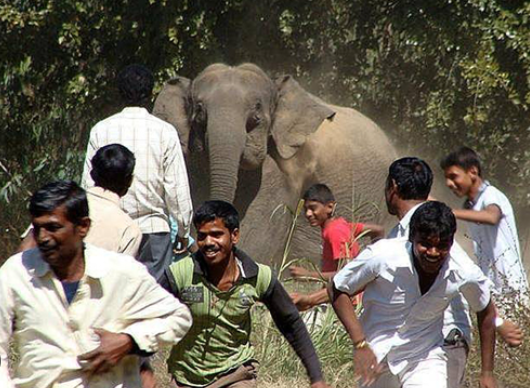
Elephants are majestic creatures that play a vital role in their ecosystems, but they are profoundly affected by human conflict. As tensions rise in various regions, the long-term effects on elephant herds can be devastating. This blog post explores these impacts, shedding light on the challenges these magnificent animals face.
1. Social Structure Disruption
Elephant herds are matriarchal, meaning that older females lead and guide younger members. When conflicts arise, such as poaching or habitat destruction, the social structures of these herds can be severely disrupted. For example, when matriarchs are killed, younger elephants may struggle to understand the migratory patterns and survival techniques learned from their elders, which can ultimately affect the entire herd’s ability to thrive.
In some cases, young elephants may be left orphaned, creating a gap in the knowledge that is crucial for the herd’s future survival. This generational knowledge transfer is vital; young elephants learn how to locate water sources, avoid dangers, and recognize social cues. The loss of such information can lead to increased mortality rates among younger elephants.
-
- Support wildlife protection organizations.
-
- Advocate for anti-poaching laws.
-
- Get involved in local conservation efforts.
-
- Educate others about the importance of social structures in elephants.
2. Habitat Loss and Fragmentation
One of the primary consequences of human conflict is the loss and fragmentation of elephant habitats. As land is cleared for agriculture, urbanization, or military use, elephants find themselves with fewer and fewer spaces to roam. For instance, in regions like South-East Asia, increasing human settlements have encroached upon traditional elephant migratory routes, leading to significant population declines.
Additionally, fragmented habitats can lead to inbreeding among small, isolated elephant populations. This can reduce genetic diversity, making these herds more susceptible to diseases and environmental changes. In some cases, elephants may become more aggressive due to increased encounters with humans, which can lead to dangerous situations and more killings of these gentle giants.
-
- Promote reforestation efforts in affected areas.
-
- Support policies that protect natural habitats.
-
- Encourage sustainable agricultural practices.
-
- Participate in local wildlife conservation programs.
3. Psychological Effects on Elephants
The psychological effects of human conflict on elephants are often overlooked but are equally important. Elephants experience complex emotions, including grief, fear, and even post-traumatic stress-like symptoms. Studies have shown that elephants who witness the killing of their kin can display signs of depression and anxiety, affecting their social behavior and reproductive health.
Such psychological trauma can also result in behavioral changes, where elephants may become more aggressive or withdrawn. This, in turn, affects their interactions with one another and may complicate their ability to establish or maintain herds. Strikingly, some captive elephants that have been rescued from conflict zones display signs of distress long after they have been relocated to safer environments.
-
- Engage in awareness campaigns to highlight mental health in wildlife.
-
- Support research initiatives focused on animal psychology.
-
- Encourage creation of sanctuaries for conflict-affected elephants.
-
- Promote training programs for caretakers in emotional understanding.
4. Economic Implications of Elephant Loss
The decline in elephant populations also has significant economic implications, especially in regions where eco-tourism is vital. Elephants attract millions of tourists keen on observing these magnificent creatures in their natural habitat. When populations dwindle due to conflict, local economies can suffer immensely. For instance, countries like Kenya and Botswana rely heavily on elephant tourism for revenue and employment.
Furthermore, the loss of elephants can disrupt entire ecosystems, leading to a decline in biodiversity. This can have ripple effects on agriculture and local livelihoods, ultimately exacerbating poverty. It is crucial to recognize that protecting elephants is not just an environmental issue; it’s an economic necessity for many communities globally.
-
- Support eco-tourism initiatives that prioritize wildlife conservation.
-
- Advocate for community-based conservation programs.
-
- Promote awareness about the financial importance of elephants.
-
- Engage local businesses in conservation efforts.
In conclusion, the long-term effects of human conflict on elephant herds extend far beyond immediate threats. From social structures to economic viability, every aspect of their lives is intertwined with the challenges posed by humanity. By taking actionable steps and supporting conservation initiatives, we can play a role in ensuring a lasting future for these incredible animals.