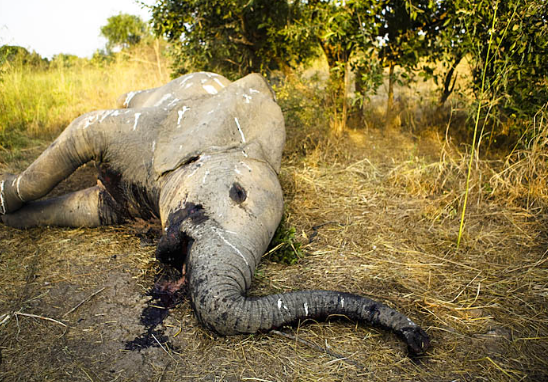
The ongoing crisis of poaching has devastating effects not only on elephant populations but also on their behavior and mental health. Understanding the behavioral trauma in elephants due to poaching can help us create better conservation strategies. This blog post explores the profound impact that poaching has on these majestic beings.
1. Understanding Behavioral Trauma in Elephants
Behavioral trauma in elephants is often the result of witnessing or experiencing violent events, such as poaching. Elephants are highly social creatures, and their bonds with family and herds can be incredibly deep. When a member of their group is killed or taken, the remaining elephants may express signs of distress, including withdrawal, increased aggression, or changes in communication patterns. This phenomenon is similar to what humans might experience after experiencing significant loss.
Moreover, elephants have remarkably long memories, and the aftermath of trauma can have long-term effects on their behavior. For example, research has shown that elephants who have experienced trauma are less likely to engage in social learning behaviors, which are critical for their survival. They also display heightened anxiety, leading to behaviors such as pacing or even self-harm. Understanding these behaviors is crucial for developing effective rehabilitation and conservation efforts.
-
- Educate yourself about elephant behavior and psychology.
-
- Observe elephants in wildlife reserves and take note of their social interactions.
-
- Support organizations that focus on elephant conservation.
-
- Volunteer for initiatives aimed at protecting elephants from poaching.
-
- Raise awareness in your community about the impact of poaching.
2. Signs of Trauma in Elephants
Identifying the signs of trauma in elephants is essential for caregivers and conservationists. Common behaviors include excessive aggression, abnormal social behaviors, and even abnormal reproductive patterns. For instance, elephants showing signs of trauma may engage in increased fighting, which can disrupt social structures and lead to further isolation. Additionally, trauma can affect maternal behaviors, resulting in neglect of calves, which is detrimental to the younger generation.
Elephants may also exhibit stress-related behaviors, such as rumbling vocalizations, swaying, or a constant state of alert, often with ears spread out to capture sounds. These behaviors can lead to chronic stress, affecting their overall health and ability to thrive in the wild. Understanding these signs allows for timely interventions and appropriate support for traumatized elephants, which can be crucial for their recovery.
-
- Learn to recognize behavioral signs of trauma.
-
- Keep a journal of observed behaviors to share with conservationists.
-
- Invest in training programs that educate on animal behavior.
-
- Foster a supportive environment for elephants that shows understanding of their needs.
3. The Role of Conservation Efforts
Conservation efforts play a vital role in addressing the behavioral trauma experienced by elephants impacted by poaching. Rehabilitation centers have emerged as sanctuaries for traumatized elephants, where they can receive both physical and psychological care. These centers often employ teams of veterinarians and animal behaviorists who actively work to address behavioral issues arising from trauma.
By creating supportive environments and encouraging natural behaviors, these centers help rehabilitate elephants and prepare them for possible reintegration into the wild. Training techniques that focus on positive reinforcement rather than punishment have proven effective in helping elephants recover from trauma and rebuild their social structures. Awareness campaigns are also instrumental in supporting conservation efforts and educating the public about the plight of these majestic animals.
-
- Support wildlife rehabilitation centers through donations or volunteer work.
-
- Promote ethical tourism that contributes to conservation efforts.
-
- Participate in awareness campaigns to educate others about poaching’s impact.
-
- Advocate for stronger laws and regulations to protect elephants.
In conclusion, addressing behavioral trauma in elephants affected by poaching requires a multi-faceted approach involving education, conservation, and rehabilitation. Whether you’re a professional or a concerned individual, every action counts in the fight against poaching. Let’s work together to create a future where elephants can thrive without fear.