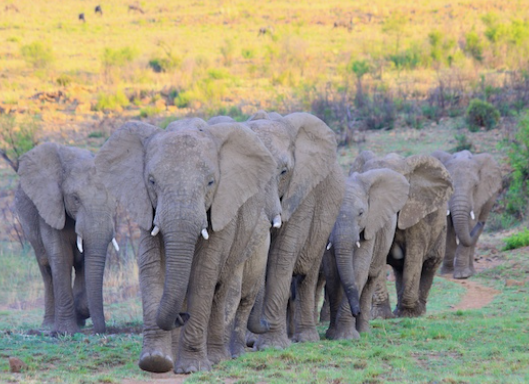
Elephant poaching is a pressing issue that not only threatens individual animals but also has profound effects on the social structure and behavior of entire herds. Understanding these impacts is crucial for effective conservation efforts and the preservation of these majestic creatures.
1. The Disruption of Social Bonds
Elephants are highly social beings, living in family units led by matriarchs, usually the oldest and most experienced females. When poachers target and kill matriarchs or other key members of a herd, the disruption can lead to turmoil within the group. Young elephants may struggle to adapt without the guidance of older members, leading to confusion during foraging and migration.
Recent studies have shown that after poaching events, herds often fragment, with younger and less experienced elephants taking on leadership roles they are not equipped for. This disorganization can impact important behaviors such as parenting, communication, and resource sharing, ultimately threatening the survival of the herd.
-
- Understand the importance of matriarchs in herd structure.
-
- Recognize the signs of social disruption in elephant groups.
-
- Support initiatives that focus on anti-poaching education.
-
- Engage in community programs aimed at protecting elephant habitats.
2. Changes in Foraging and Migration Patterns
Poaching can also lead to altered foraging behaviors. When key individuals, particularly matriarchs, are lost, the herd may struggle to find food and water sources that were previously known and shared. Elephants rely heavily on memory and learned knowledge, passed down through generations, to navigate their environment successfully. The absence of experienced guides may result in less efficient foraging strategies and increased competition for scarce resources.
This disruption extends to migration patterns as well. Elephants often migrate to forage and access different habitats throughout the year. Losing key members can cause herds to abandon traditional routes, potentially leading them into conflict with human settlements or other wildlife, creating further risks for their survival.
-
- Support wildlife corridors that allow safe migration for elephants.
-
- Encourage local farmers to understand elephant behaviors to minimize conflicts.
-
- Help restore natural habitats to ensure food sources are available.
-
- Educate communities about the benefits of elephants to ecosystem health.
3. Psychological Effects and Behavioral Changes
The psychological impact of poaching on elephant herds is often overlooked. Elephants are known to experience grief and distress over the loss of family members. These emotions can manifest in increased stress and anxiety, affecting overall herd dynamics. For example, elephants may become more aggressive or withdrawn after experiencing the trauma of poaching, which can have cascading effects on interactions within the group.
Behavioral changes resulting from poaching incidents can also include alterations in breeding patterns. Stress can disrupt estrus cycles in females, leading to lower birth rates and affecting future population dynamics. In the long run, these changes can jeopardize the stability of entire herds, as declining numbers weaken social structures and increase vulnerability to external threats.
-
- Participate in emotional support programs for wildlife rehabilitation.
-
- Engage in citizen science projects that track elephant behavior.
-
- Spread awareness of the emotional lives of elephants.
-
- Promote research into the psychological impact of poaching.
4. Conservation Efforts to Mitigate Impact
To combat the adverse effects of poaching, numerous conservation organizations are actively working to protect elephant populations. These efforts often focus on anti-poaching patrols and community engagement to promote coexistence between humans and elephants. By providing local communities with economic incentives, such as jobs in conservation, the motivation to protect these animals can be fostered.
Moreover, efforts are being made to track elephant populations using technology like GPS collars. This advancement not only aids in monitoring movements but also helps identify those at risk of poaching. By studying their behavior through data collection, conservationists can adapt their strategies to strengthen herd cohesion and resilience.
-
- Support or donate to organizations focused on elephant conservation.
-
- Advocate for stronger anti-poaching laws and enforcement.
-
- Participate in local conservation efforts and volunteer opportunities.
-
- Educate others about the importance of elephants in their ecosystems.
In conclusion, the impact of elephant poaching extends far beyond the immediate loss of individual animals. It disrupts social structures, alters behaviors, and threatens the survival of entire herds. By engaging in conservation efforts and raising awareness, we can help mitigate these effects and contribute to a stable future for elephants.