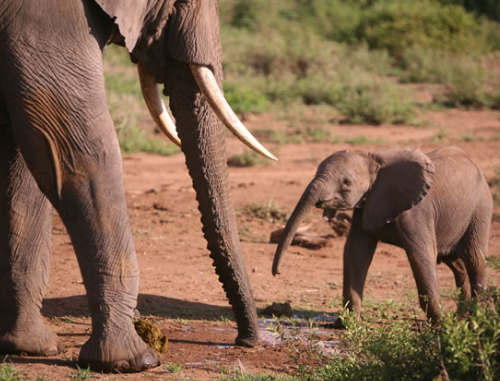
The social learning process in elephant calves is an intriguing aspect of their development. By observing and interacting with older elephants, calves acquire vital survival skills essential for their well-being.
1. The Importance of Social Learning in Elephants
Elephants are underpinned by strong social structures, often comprising family groups led by matriarchs. These adult elephants play a crucial role in teaching younger members invaluable life skills. Through social learning, calves observe behaviors related to food foraging, predator avoidance, and social interactions. This form of learning allows them to adopt strategies that have been effective for their elders.
Moreover, social learning enhances the survivability of elephant calves in the wild. Calves often spend years observing their family members, picking up cues from both successful and unsuccessful attempts in various survival tasks. For instance, if an older elephant finds a water source, the calf learns not just to locate it but also about the social dynamics often involved in accessing it, such as waiting for its turn or recognizing potential competitors.
-
- Encourage young children to observe social interactions—this mimics how elephants learn.
-
- Group activities can enhance social learning among peers.
-
- Model positive behavior; children observe and replicate.
-
- Teach teamwork by engaging in family or group projects.
2. Specific Skills Learned Through Observation
Elephant calves learn a range of skills essential for their survival, mainly through observing their elders. One significant survival skill is foraging. Young elephants watch their mothers and other adults identify edible plants, roots, and fruits. Over time, the calves become adept at distinguishing between nutritious and toxic plant species, an essential skill for their diet as they grow.
Another vital skill learnt through observation is social communication. Elephants use a complex system of vocalizations, body language, and even seismic communication to interact with each other. By watching adults engage in various social scenarios, such as courtship or conflict, calves learn the appropriate ways to communicate their needs and intentions efficiently. These skills are crucial for forming bonds within their herds and navigating the social structures of elephant society.
-
- Engage in activities demonstrating resourcefulness, like scavenger hunts.
-
- Encourage children to try unfamiliar foods, fostering adaptive foraging.
-
- Promote empathy and understanding during group games.
-
- Introduce role-playing exercises to teach effective communication.
3. Emotional Learning and Its Impact on Development
Social learning for elephant calves also extends to understanding emotions and social relationships. Young elephants are keen observers of the emotional states of others, which helps them build strong bonds within the group. These emotional teachings are often witnessed during moments of distress or excitement, such as when a calf loses a sibling or experiences a joyous moment during a waterhole gathering.
This emotional intelligence aids in forming alliances and partnerships, which are crucial for navigating both social and environmental challenges. Understanding the emotions of both peers and elders enables calves to respond appropriately in various situations, whether in celebration or in conflict. It reinforces social bonds, which is vital for survival in the wild.
-
- Encourage empathetic activities, such as caring for pets or volunteering.
-
- Help children articulate their feelings; this enhances emotional intelligence.
-
- Teach conflict resolution skills through role-playing scenarios.
-
- Promote group discussions to foster emotional awareness in a safe environment.
In conclusion, social learning plays a pivotal role in the survival of elephant calves, shaping them into adept adults capable of thriving in their natural environment. Observing their elders not only builds essential physical skills but also instills emotional intelligence that is vital for social navigation. Encourage young individuals to engage in activities that promote observation and emotional learning for their growth.