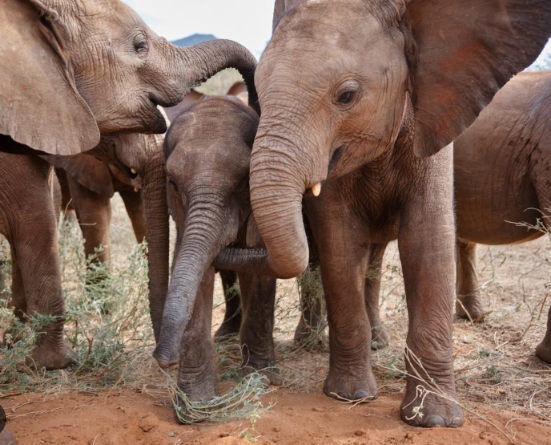
Elephants are known for their intelligence, emotional depth, and strong family bonds. Within their herds, adult elephants play a vital role in teaching calves the practical, social, and emotional skills they need to survive and thrive.
1. The Role of Adult Elephants in Calf Education
Adult elephants act as mentors, especially during a calf’s early years. Matriarchs, often the oldest and most experienced females, guide young elephants through their environment and help them learn where to find food, water, and shelter.
Calves learn largely by observation and imitation. They watch adults forage, bathe, communicate, and respond to threats. These repeated experiences help calves understand both survival behavior and herd etiquette.
- Observe adult-calf interactions in sanctuaries or reserves
- Notice how different adults take on teaching roles
- Record behaviors that calves imitate
- Compare how calves learn under different adult guidance
2. Play, Exploration, and Learning
Play is a major part of elephant learning. Activities such as splashing, trunk wrestling, pushing branches, and mock chasing help calves develop balance, strength, and coordination.
Adult elephants often supervise or join these playful moments, keeping calves safe while allowing them to explore. Through this process, young elephants learn boundaries, confidence, and social awareness.
- Encourage safe opportunities for play and exploration
- Observe how calves develop motor skills through play
- Track changes in independence over time
- Watch how calves imitate adult behaviors
3. The Importance of Social Learning
Elephant calves learn social behavior by observing herd life. They witness how adults comfort distressed members, resolve conflicts, cooperate during movement, and protect vulnerable individuals.
These lessons help calves understand emotional cues, body language, hierarchy, and cooperation. Over time, they develop the social intelligence needed to function within a complex herd structure.
- Observe group interactions among adults and calves
- Identify conflict resolution behaviors
- Study how calves respond to adult signals
- Support environments that allow natural herd interaction
4. Teaching Survival Skills
Adult elephants pass down essential survival knowledge. Calves learn which plants are safe to eat, where water sources are located, how to move through different habitats, and how to recognize danger.
Threat recognition is especially important. When adults signal alarm through posture, vocalizations, or movement, calves learn how to respond quickly. These lessons can be critical for survival in the wild.
- Expose calves to varied habitats in protected environments
- Observe how adults model foraging behavior
- Document calf responses to warning signals
- Support conservation programs that preserve natural learning settings
The way adult elephants teach calves reflects the depth of elephant intelligence, cooperation, and family structure. Their education system is built on patience, imitation, protection, and emotional connection.
In conservation parks or educational spaces, an elephant statue can symbolize this intergenerational wisdom, reminding visitors of the guidance, memory, and care that sustain elephant families across generations.