Elephants are some of the world’s most iconic and intelligent creatures, and their populations have faced significant threats due to poaching and habitat loss. Understanding the recovery patterns of these majestic animals in protected areas is crucial for conservation efforts and biodiversity preservation. This blog post will explore various factors influencing elephant population recovery and highlight the importance of these protected regions.
1. The Importance of Protected Areas
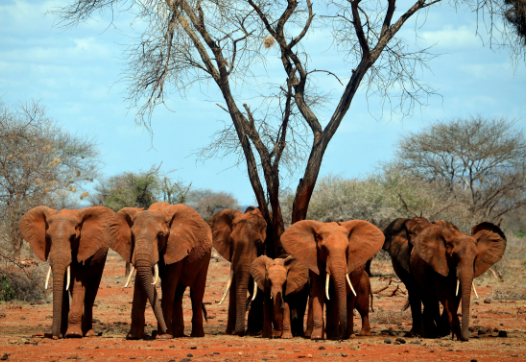
Protected areas serve as sanctuaries for endangered species, providing them refuge from human activities that threaten their existence. These regions often feature abundant natural resources, which play a vital role in the survival and reproductive success of elephants. For example, parks like Amboseli in Kenya have seen significant elephant population rebounds due to stringent anti-poaching measures and effective management strategies.
Moreover, protected areas often involve collaborative efforts among local communities, governments, and international organizations. Programs that encourage community involvement create a sense of ownership and responsibility for wildlife conservation. This engagement can significantly enhance the chances of ongoing elephant population recovery within these regions, as communities become advocates for the protection of their natural heritage.
-
- Support local initiatives focused on wildlife conservation.
-
- Promote eco-tourism to benefit local economies while preserving habitats.
-
- Encourage community education on the ecological importance of elephants.
-
- Engage local leaders to advocate for protected area management.
2. Habitats and Natural Resources
The types of habitats and natural resources available in protected areas significantly impact the recovery patterns of elephant populations. Forests, savannas, and wetlands provide essential food and water sources necessary for survival. Healthy ecosystems enable elephants to thrive, as they require large territories to roam and forage, which makes the quality and quantity of habitats a crucial factor.
Efforts in habitat restoration are pivotal; for instance, reforestation projects within protected areas have shown success in providing more food sources for elephants. Protected areas that maintain natural migration corridors also enhance recovery efforts, allowing elephants to move freely in search of resources. An example is the Liuwa Plain National Park in Zambia, which has seen improved elephant population dynamics due to habitat conservation initiatives.
-
- Identify critical habitats essential for elephant survival.
-
- Implement habitat restoration projects to improve food availability.
-
- Monitor changes in habitat quality and elephant health.
-
- Ensure connectivity between protected areas to facilitate migration.
3. Community Involvement and Anti-Poaching Measures
Engaging local communities in anti-poaching efforts plays a fundamental role in elephant population recovery. When communities recognize the value of elephants, not only as part of their cultural heritage but also as economic assets through eco-tourism, they are more likely to protect them. Programs that train local individuals as wildlife rangers empower them to enforce anti-poaching laws effectively.
Additionally, providing alternative livelihoods can reduce the pressure on elephants. For example, initiatives that promote sustainable agriculture or craft industries give communities financial incentives to conserve wildlife rather than exploit it. Community-driven conservation projects in regions like the Great Limpopo Transfrontier Park show that collaborative efforts can lead to significant positive outcomes for elephant populations.
-
- Implement community-based wildlife protection programs.
-
- Educate locals on the benefits of conservation for their economy.
-
- Train residents to become wildlife rangers.
-
- Develop sustainable livelihood opportunities for communities.
4. Technological Innovations in Conservation
The integration of technology in conservation efforts significantly aids in tracking and protecting elephant populations. Techniques like GPS collaring allow researchers to monitor elephant movements and behaviors in protected areas. This data can inform management strategies and help identify areas susceptible to poaching or habitat degradation.
Moreover, technology has enabled the development of anti-poaching systems such as remote sensing and drones. These advanced tools enhance surveillance capabilities and allow for real-time monitoring of protected areas, increasing the chances of preventing poaching incidents. Initiatives utilizing technology, such as the SMART (Spatial Monitoring and Reporting Tool) program, have shown significant success in curbing poaching activities in various reserves.
-
- Adopt technology for real-time monitoring of elephants.
-
- Utilize GPS tracking for better understanding of elephant movements.
-
- Implement drone surveillance in high-risk poaching areas.
-
- Train conservation staff in using technological tools.
5. Long-term Strategies for Elephant Conservation
To ensure sustainable elephant population recovery, long-term strategies must be developed in protected areas. Creating comprehensive wildlife management plans that encompass habitat restoration, community involvement, and advanced monitoring is crucial for ongoing success. These plans should be adaptable and informed by scientific research to account for environmental changes and emerging threats.
Furthermore, international collaboration can bolster local efforts. Partnerships among countries that share elephant populations can enhance ecological and genetic monitoring, fostering more effective conservation strategies. Initiatives like the Elephant Protection Initiative work towards creating transboundary conservation areas, allowing elephants to roam freely and sustainably while ensuring their protection across borders.
-
- Create and implement comprehensive wildlife management strategies.
-
- Encourage international collaboration for elephant protection.
-
- Adapt management plans based on continuous research and monitoring.
-
- Promote policies that support both local communities and biodiversity.
In conclusion, recovering elephant populations in protected areas requires a multifaceted approach rooted in community engagement, habitat preservation, and innovative conservation strategies. By understanding and implementing effective measures, we can help secure a brighter future for these magnificent animals. Consider supporting local conservation initiatives or getting involved in community education to contribute to elephant recovery efforts.