The survival of elephants is under constant threat, primarily due to illegal poaching. Anti-poaching patrols are a critical component in the battle for elephant conservation. This blog will explore how these dedicated efforts impact elephant survival and the broader ecosystem.
1. Understanding Anti-Poaching Patrols
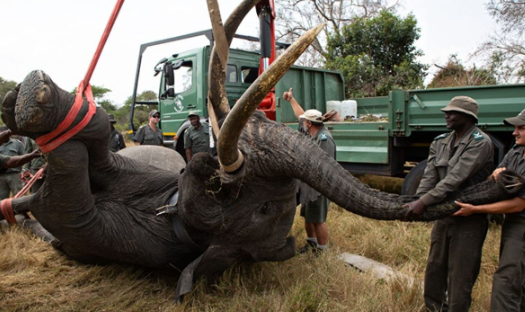
Anti-poaching patrols are organized groups tasked with monitoring wildlife areas, preventing illegal hunting, and protecting vulnerable species. These patrols often comprise trained rangers who use various techniques such as tracking, surveillance, and community engagement to tackle poaching. For example, in several national parks in Africa, rangers routinely patrol vast areas and use GPS technology and drones for effective monitoring.
Additionally, collaboration with local communities plays a vital role in the effectiveness of these patrols. By involving the local population, patrols can gain invaluable intelligence about poaching activities and promote awareness of wildlife conservation. Engaging with local communities can also help build a sense of ownership and responsibility towards wildlife protection.
-
- Promote local employment as park rangers.
-
- Use technology like drones for surveillance.
-
- Implement community training in conservation tactics.
-
- Collaborate with NGOs for resource sharing.
2. The Impact of Prevention on Elephant Populations
Effective anti-poaching patrols lead directly to a decrease in elephant fatalities. Stopping illegal poachers from hunting elephants ensures that these majestic animals have a chance to thrive in their natural habitat. For instance, regions where regular patrols operate often show stabilized or increasing elephant populations, as seen in various reserves in Kenya and Tanzania.
Moreover, the presence of anti-poaching patrols can deter potential poachers. The increased visibility of patrol teams not only makes it riskier for poachers to operate but also sends a strong message that illegal activities will not go unpunished. For example, when patrols intensified in Kruger National Park, poaching rates significantly declined, demonstrating that proactive measures yield positive results.
-
- Conduct regular patrols to maintain surveillance.
-
- Gather data on elephant movements to strategize patrol routes.
-
- Educate local populations about the dangers of poaching.
-
- Work with law enforcement to enforce anti-poaching laws.
3. Conservation Through Community Involvement
Engaging local communities in conservation efforts has shown profound benefits for elephant survival. Communities that feel informed and empowered are more likely to protect wildlife rather than exploit it. Programs that promote coexistence between locals and elephants can lead to reduced conflict and a more positive outlook towards conservation. For example, in Namibia, local farmers who were previously facing issues with crop-destroying elephants received training and resources, allowing them to adapt their farming practices and mitigate losses.
Furthermore, community-led initiatives can provide alternative livelihoods that reduce dependency on poaching. Eco-tourism is one option that has seen success in bringing both funding and jobs to local areas while promoting elephant conservation. In places where tourists witness elephants in their natural habitat, the community benefits financially, encouraging them to protect these majestic creatures.
-
- Organize workshops with locals to educate them about elephants.
-
- Promote eco-tourism initiatives that benefit the community.
-
- Incorporate traditional knowledge with modern conservation techniques.
-
- Provide incentives for protecting rather than exploiting wildlife.
Through sustained efforts in anti-poaching patrols and community involvement, the future of elephants can be secured. It’s essential to understand that the survival of these animals is interconnected with the well-being of their ecosystems and local communities. By supporting conservation efforts, we can be part of the solution.
In conclusion, promoting anti-poaching patrols and engaging local communities are vital for elephant survival. Imagine the impact we could make by educating ourselves and supporting initiatives aimed at conservation. Together, we can contribute to a thriving world where elephants roam freely and safely.