The skies are home to some of the most magnificent creatures on Earth, and among them, the largest flying birds truly stand out. With their impressive wingspans and unique adaptations, these birds have captivated humans for centuries. Let’s dive into the fascinating world of these aerial giants.
1. The Andean Condor
The Andean condor holds the title for the largest flying bird in the world, boasting an astonishing wingspan of up to 10.5 feet (3.2 meters). This majestic bird can be found soaring high in the Andes mountains of South America. Known for its impressive gliding ability, the Andean condor utilizes thermal updrafts to cover vast distances with minimal energy expenditure.
These birds are primarily scavengers, feeding on carrion. Their size and strength allow them to dominate other scavengers in the area. With a life span that can exceed 50 years, the Andean condor plays a crucial role in maintaining the ecological balance by consuming dead animals and preventing the spread of disease.
-
- Learn about their habitat to better understand their behavior.
-
- Support conservation efforts aimed at protecting their nesting sites.
-
- Respect wildlife and observe them from a distance.
-
- Educate others about the importance of scavengers in the ecosystem.
2. The Wandering Albatross
Another marvel of the skies, the wandering albatross, is known for having the longest wingspan of any living bird, reaching up to 12 feet (3.6 meters). These incredible birds spend most of their life at sea, gliding gracefully over the ocean with minimal effort. Their unique wings enable them to travel thousands of miles without flapping, thanks to their ability to ride wind currents efficiently.
Wandering albatrosses are also notable for their long courtship rituals. They mate for life and engage in elaborate aerial displays to strengthen their bond. However, their populations are currently threatened due to fishing practices and habitat loss, making conservation efforts critical for their survival.
-
- Participate in ocean conservation initiatives.
-
- Learn about sustainable fishing practices to help protect their habitat.
-
- Take part in birdwatching tours focused on albatross observation.
-
- Promote awareness of the challenges faced by seabirds.
3. The Marabou Stork
The marabou stork, while not a large flier in terms of wingspan compared to the albatross, is nonetheless a giant of the bird world, reaching heights of up to 5 feet (1.5 meters) and weighing about 40 pounds (18 kg). Native to Africa, these birds are often found near freshwater habitats and are known for their distinctive bald heads and large beaks. Their impressive wingspans, which can stretch up to 10 feet (3 meters), help them soar gracefully while scavenging for food.
Marabou storks are also scavengers, often seen congregating around landfills or along roadsides. Their habits help to keep the environment clean by consuming animal carcasses and organic waste. Interestingly, these storks have adapted well to urban environments and are often spotted in cities, showcasing their remarkable versatility.
-
- Observe their behavior in urban areas for a unique perspective.
-
- Support local wildlife initiatives focused on conserving their habitats.
-
- Keep your surroundings clean to reduce waste in their feeding areas.
-
- Share insights about urban wildlife with your community.
4. The Greater Rhea
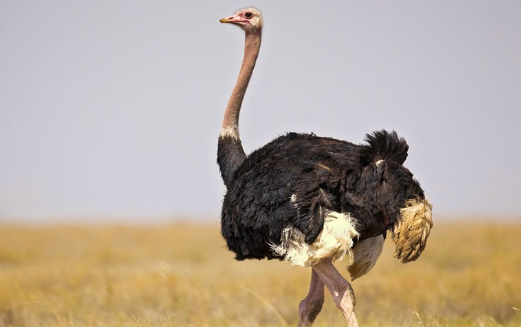
The greater rhea, a large flightless bird native to South America, is often confused with its flying counterparts but is notable for its size nonetheless. Reaching heights of up to 5.5 feet (1.7 meters), these birds can weigh around 110 pounds (50 kg). Their long legs and large bodies allow them to run swiftly across the open grasslands, which is more suited to their lifestyle than flying.
Despite being flightless, greater rheas play an essential role in their ecosystems. They primarily feed on seeds, fruits, and insects, helping to disperse seeds and maintain the health of their environment. Their impressive height allows them to spot predators quickly, giving them an advantage on the open plains where they reside.
-
- Visit wildlife parks and reserves that focus on rhea conservation.
-
- Learn about the importance of grassland ecosystems.
-
- Participate in seed dispersal activities in your community.
-
- Document wildlife sightings to contribute data for studies.
In conclusion, the largest flying birds on Earth not only showcase incredible adaptations but also play vital roles in their ecosystems. From scavenging to seed dispersal, each species contributes to the natural balance. If you’re interested in wildlife, consider getting involved in local conservation efforts or simply take time to observe these remarkable birds in their natural habitats.