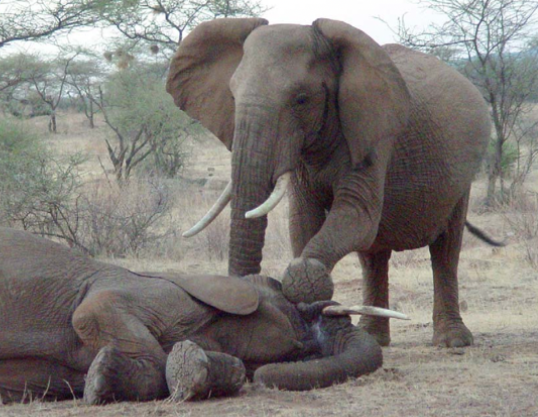
Elephant herds are fascinating social structures led by matriarchs, who play a crucial role in maintaining stability and cohesion within the group. When a matriarch passes away, her herd faces potential upheaval that can affect their behavior, health, and survival. Understanding the implications of losing such a pivotal figure can provide insights into elephant social dynamics.
1. The Role of the Matriarch in Herd Dynamics
The matriarch is generally the oldest and most experienced female in the herd, and her knowledge is invaluable. She leads the herd in search of food and water, remembers migratory routes, and mediates conflicts among members. This expertise directly contributes to the herd’s survival, particularly in challenging environments where resources are scarce.
Without the matriarch, younger elephants may struggle to make decisions, especially regarding where to find food and shelter. They might resort to conflict over limited resources, leading to stress within the herd. A strong matriarch instills a sense of safety and cohesion among members, and her absence can result in disarray and fragmentation.
-
- Understand the matriarch’s role in your local elephant community.
-
- Research how different elephants adapt to changes in leadership.
-
- Monitor herds for signs of distress after a matriarch’s passing.
-
- Support conservation efforts to protect matriarchs and their herds.
2. The Emotional Impact on the Herd
Elephants are known for their deep emotional bonds, and the loss of a matriarch can dramatically affect herd morale. Other members may exhibit behaviors reflecting grief and confusion, such as decreased activity or attempts to isolate themselves. This emotional turmoil can hinder their ability to find food and water, making their survival more precarious.
The younger elephants might particularly struggle with emotional processing, as they rely heavily on the matriarch for guidance. They could become more aggressive or exhibit anxiety-driven behaviors, impacting overall herd dynamics. Over time, if the herd cannot effectively cope with this emotional upheaval, they might splinter into smaller, less stable groups.
-
- Observe changes in behavior of the herd after the matriarch’s death.
-
- Document any increased signs of aggression or anxiety in younger elephants.
-
- Provide supportive environments where elephants can grieve.
-
- Promote education on the emotional lives of elephants in your community.
3. Strategies for Supporting Herd Stability
After the loss of a matriarch, it’s vital to implement strategies that can support the remaining herd members. One effective approach is to allow the herd time to mourn. Just like humans, elephants need space to process loss, and interventions could help them regain a sense of normalcy.
Implementing structured environments and creating a supportive social setup can help the remaining elephants adjust more easily. Encouraging interactions between remaining herd members can foster leadership skills in younger females, enabling them to step up when necessary. It’s crucial to ensure that these elephants have access to adequate resources during this transitional period.
-
- Establish a mourning period for the herd to heal.
-
- Encourage positive interactions among members of the herd.
-
- Provide ample food and water supplies to reduce stress.
-
- Promote the development of leadership qualities in younger females.
4. The Long-Term Effects on Population Dynamics
Losing a matriarch can have cascading effects on the entire population over the long term. With a disruption in leadership, herds may experience difficulty in reproduction due to stress and conflict among younger elephants. Furthermore, the loss of vital knowledge and social structures can lead to a decline in the overall health of the herd.
As matriarchs often play significant roles in raising and teaching the next generation, their absence can result in gaps in knowledge transfer. This can lead to challenges in survival strategies that are essential for thriving in changing environments. The consequences may extend to future generations, making the sustainability of the herd a growing concern.
-
- Assess the population dynamics of the herd over time.
-
- Support programs that focus on elephant education and awareness.
-
- Document changes in reproductive rates within herds.
-
- Engage in conservation efforts that prioritize protecting matriarchs.
The impact of losing a matriarch on an elephant herd’s stability is profound and multifaceted. By understanding these dynamics, we can better appreciate the intricate social structures of elephants and advocate for their conservation. Consider getting involved in elephant protection initiatives or learning more about their social behaviors to help contribute to their welfare.