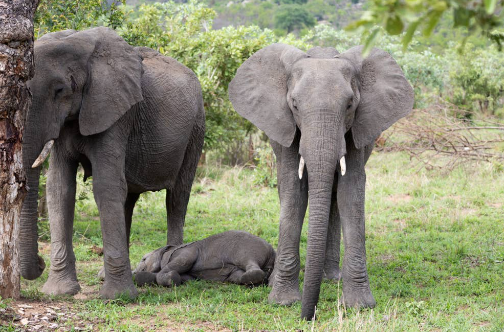
Elephants are remarkable animals known for their intelligence, emotional depth, and strong social bonds. One of the clearest examples of this is how elephant herds work together to protect vulnerable calves from predators and environmental threats.
1. The Role of Social Structure in Protection
Elephant herds are usually led by a matriarch, an experienced female who guides the group and helps make decisions about safety, movement, food, and water. When danger appears, adult females often gather around the calves, using their bodies to create a protective barrier.
This coordinated response reflects the herd’s strong social organization. Adults may trumpet, charge, or display aggressive body language to warn predators away.
- Understand the matriarch’s role in herd protection
- Observe cooperation among adult females
- Recognize defensive postures and alarm signals
- Learn how elephants communicate danger
2. Behavioral Strategies Against Predators
Elephants rely on vigilance, communication, and coordinated movement to keep calves safe. Their strong senses of smell and hearing help them detect predators before threats come too close.
When predators approach, adult elephants may make loud sounds, move toward the threat, or create commotion to distract attention from the calves. These behaviors help give young elephants time to retreat or remain protected within the group.
- Prioritize awareness in vulnerable situations
- Notice how elephants detect threats early
- Understand distraction as a protective tactic
- Share learned defensive behaviors within the herd
3. The Impact of Environmental Factors on Protection
The surrounding habitat affects how elephants protect their young. Dense vegetation can provide cover, while open landscapes may make calves more visible to predators.
When herds move in search of food or water, adults often rotate protective responsibilities. Some feed while others remain alert near the calves, helping balance survival needs with safety.
- Consider how terrain affects predator visibility
- Identify natural cover for calves
- Understand how resource availability shapes movement
- Recognize the value of shared guarding roles
4. Learning and Adaptation in Young Calves
Calves learn survival behavior by observing adults. They watch how mothers, matriarchs, and other herd members react to threats, then gradually imitate these responses.
Play also helps calves develop defensive instincts. Mock chasing, grouping, and social interaction prepare them for real-world challenges while strengthening their confidence within the herd.
- Encourage observational learning
- Recognize play as survival practice
- Support calf interaction and communication
- Protect safe spaces for learning and exploration
Elephant herds protect their calves through cooperation, communication, strength, and shared experience. Their defensive behavior reflects not only instinct but also intelligence, memory, and deep social connection.
In wildlife parks or conservation education spaces, an elephant statue can symbolize this protective spirit, reminding visitors of the powerful family bonds that help elephants survive across generations.