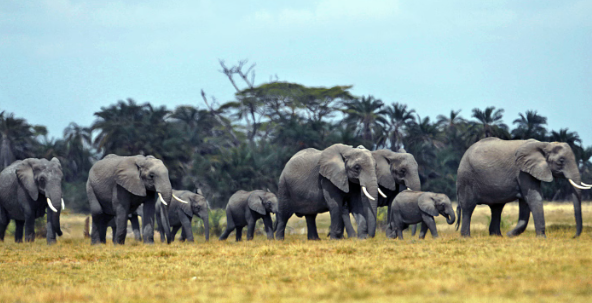
Elephants are fascinating creatures, admired not only for their intelligence and size but also for their complex social structures. At the center of these dynamics is leadership within the herd, especially the role of the matriarch. Leadership transitions in elephant groups reveal a deeply organized society where wisdom, experience, memory, and nurturing are essential to survival.
1. The Role of the Matriarch
The matriarch is usually the oldest and most experienced female in the herd. She guides the group to food, water, shelter, and safe migration routes. Her knowledge is especially important during droughts, habitat changes, or encounters with danger.
Her leadership also extends beyond survival. She helps maintain social bonds, resolves tension, and teaches younger elephants how to behave within the herd. When younger females begin taking on leadership responsibilities, they often do so by observing and learning from the matriarch.
- Understand the value of the matriarch’s experience
- Observe her decision-making behavior
- Recognize her influence on herd stability
- Learn from her strategies for resource management
2. Leadership Transition Process
Leadership transitions in elephant herds usually happen gradually. As a matriarch ages or becomes less active, the herd may begin relying more on another experienced female, often a daughter, sister, or close relative.
This transition allows the future leader to gain confidence while maintaining continuity within the group. Strong communication and social bonds help reduce stress during this period, ensuring that the herd remains cohesive.
- Monitor gradual changes in leadership behavior
- Strengthen bonds among herd members
- Support communication during transitions
- Allow younger leaders to learn through experience
3. Impact of Environmental Changes
Environmental pressures can accelerate leadership shifts. Drought, habitat loss, food scarcity, and human activity may require quick decisions about movement and survival. In these moments, the matriarch’s memory and judgment become especially important.
Younger females may also begin taking on more responsibility as they learn to navigate unfamiliar terrain or respond to changing conditions. This adaptability helps the herd remain resilient in difficult environments.
- Assess environmental changes regularly
- Prepare for leadership shifts caused by external stress
- Encourage adaptability in younger elephants
- Support learning during challenging conditions
Leadership transitions in elephant herds reveal the intelligence, emotional depth, and resilience of these animals. Their societies depend on memory, cooperation, and the careful transfer of knowledge from one generation to the next.
In conservation centers or educational spaces, an elephant sculpture can serve as a powerful symbol of this wisdom and continuity, reminding people of the importance of protecting elephant families, habitats, and future generations.