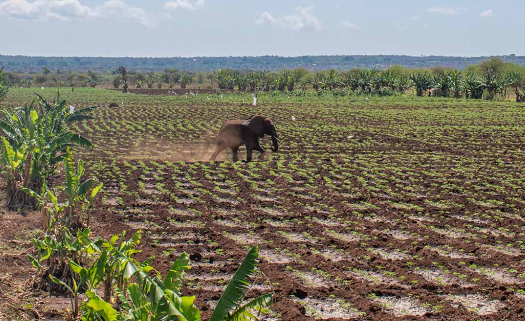
Elephants, known for their majestic size and intelligence, can often venture into farmland, leading to significant agricultural challenges. Understanding why and how these magnificent creatures raid crops is essential for farmers and conservationists alike.
1. The Motivation Behind Crop Raiding
Elephants typically seek out agricultural areas because of the easily accessible and nutrient-rich food supplied by crops. This motivation stems from their natural foraging instincts where they constantly search for food sources that are high in quality and quantity. When natural food sources in their habitats dwindle, elephants are more likely to venture into nearby farmlands, putting them at odds with local farmers.
For example, during drought seasons, a herd of elephants may migrate towards farmland where crops like corn and sugarcane are thriving. This change in behavior not only places crops in jeopardy but can also lead to conflicts between humans and elephants, often resulting in injuries on both sides. The increasing encroachment of human development into elephant habitats exacerbates this problem, prompting elephants to venture further into agricultural lands.
-
- Monitor elephant populations in your area.
-
- Stay informed about seasonal changes in elephant behavior.
-
- Plant crops that are less appealing to elephants.
-
- Utilize natural deterrents to make your farmland less attractive.
2. The Impact of Crop Raiding on Farmers
The impact of elephants raiding crops can be devastating for farmers, both economically and emotionally. When a herd descends upon a field, the destruction can result in significant losses, as entire seasons of labor may be wiped out overnight. In many regions, such losses can lead to food insecurity, affecting not just the farmers but the wider community reliant on local agriculture.
Moreover, the psychological toll on farmers is notable, as they may feel helpless against the sheer power of these animals. As they invest time and resources into protecting their crops, they often find themselves in a cycling battle with elephants, creating a source of stress and tension in rural communities. The need for effective strategies to mitigate this conflict is more crucial than ever for maintaining harmony between wildlife and agricultural needs.
-
- Assess the damage caused regularly to understand trends.
-
- Engage with local wildlife conservation groups for support.
-
- Explore insurance options for crop losses.
-
- Consider diversifying crops to minimize risk.
3. Effective Strategies for Prevention
Preventing crop raiding by elephants requires a multi-faceted approach that combines local knowledge with effective deterrent strategies. One effective method involves creating physical barriers such as trenches or fences designed to keep elephants at bay. However, it is essential to choose materials that are both effective and durable, as elephants are strong and can easily break through weak barriers.
Community engagement is another vital component of successful prevention strategies. When local farmers band together, they can share resources and knowledge about effective tactics to deter elephants. Additionally, establishing buffer zones between farmland and natural habitats can lower the likelihood of crop raiding by providing a buffer for elephants, thus minimizing encounters with humans.
-
- Invest in strong fencing designed for large animals.
-
- Form cooperative groups with neighbors to share protection strategies.
-
- Create buffer zones by planting less desirable vegetation.
-
- Implement sensory deterrents, like lights or sounds, to scare elephants away.
4. Community Engagement and Policies
Creating a supportive environment for both farmers and elephants involves active community engagement and effective policy-making. Farmers, conservationists, and local governments need to work alongside each other to develop policies that safeguard both agricultural interests and wildlife conservation. By creating educational programs, communities can learn about the conservation needs of elephants and how to coexist peacefully with them.
Additionally, engaging in research and sharing findings on local elephant behavior can strengthen community understanding and develop additional protective measures. Policymakers can incentivize sustainable practices while providing compensation for losses incurred during conflicts with elephants. Encouraging local involvement will significantly increase the likelihood of successful strategies being implemented and supported by the community.
-
- Participate in local conservation and agricultural meetings.
-
- Advocate for policies that balance wildlife conservation with agricultural success.
-
- Promote awareness campaigns to educate the community on elephants.
-
- Encourage government assistance programs for affected farmers.
In conclusion, understanding the dynamics of how elephants raid crops is essential for creating a sustainable coexistence between these magnificent creatures and agricultural practices. By educating yourself and engaging with your community, you can play a pivotal role in fostering harmony in areas where wildlife and farming share space. Taking proactive measures and supporting local initiatives can lead to successful coexistence and enriched lives for both humans and elephants.