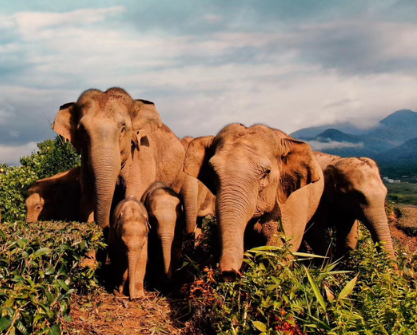
Elephants, the largest land mammals on Earth, face serious threats from habitat loss, poaching, and increasing human-wildlife conflict. Protecting these majestic animals is essential not only for their survival but also for maintaining ecological balance. Below are key conservation strategies and protection methods that can help safeguard elephant populations for future generations.
Protecting Natural Habitats
Preserving natural habitats is fundamental to elephant survival. These animals require vast territories to roam, feed, and reproduce. However, deforestation and land development continue to fragment their ecosystems, forcing elephants into smaller areas and increasing the likelihood of conflict with humans.
Organizations such as World Wildlife Fund (WWF) work to establish protected areas and wildlife corridors, allowing elephants to move safely between habitats. In addition, restoring degraded environments through reforestation and the removal of invasive species helps rebuild sustainable ecosystems.
Supporting conservation policies and participating in local environmental initiatives can play a meaningful role in preserving these critical habitats.
Anti-Poaching Efforts
Poaching remains one of the most severe threats to elephants, largely driven by the illegal ivory trade. Ivory is often used in decorative items—including carvings and elephant sculptures—which fuels demand and contributes to population decline.
To combat this, anti-poaching initiatives focus on strengthening law enforcement, increasing ranger patrols, and deploying advanced technologies such as drones and camera traps. Community involvement is equally important; when local populations benefit from conservation through ethical tourism or alternative livelihoods, they are more likely to protect wildlife.
Avoiding ivory products and raising awareness about their impact are simple yet powerful actions individuals can take.
Promoting Human-Elephant Coexistence
As human populations expand, interactions between people and elephants are becoming more frequent. Crop damage caused by elephants can lead to significant economic losses for farmers, intensifying conflict.
Promoting coexistence involves practical solutions such as building barriers, implementing early-warning systems, and offering fair compensation for damages. Farmers can also adopt non-lethal deterrents, including sound devices or light-based systems, to safely keep elephants away from crops.
Education and community engagement are key to fostering understanding and highlighting the ecological benefits elephants provide, such as seed dispersal and ecosystem maintenance.
Supporting Elephant Sanctuaries and Rehabilitation Centers
Sanctuaries and rehabilitation centers are vital for elephants rescued from captivity or harmful conditions. These facilities provide medical care, safe living environments, and opportunities for elephants to regain natural behaviors.
Supporting these organizations—through donations, volunteering, or responsible tourism—helps sustain their work. Visitors can gain a deeper understanding of elephant welfare while contributing to their protection.
Promoting ethical tourism and sharing awareness about these initiatives can further amplify their impact.
Conclusion
Elephant conservation requires coordinated, long-term efforts across multiple fronts. From protecting habitats and combating poaching to encouraging coexistence and supporting sanctuaries, each strategy plays a crucial role.
By staying informed and taking action—no matter how small—we can collectively help ensure that future generations will continue to witness the beauty and importance of elephants in the wild.