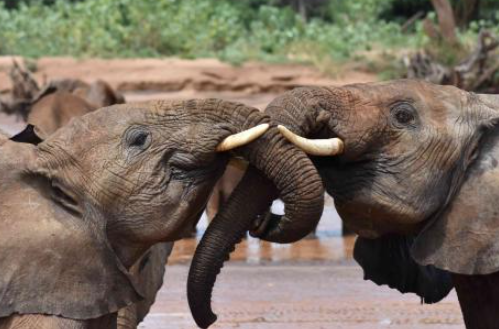
Elephants are not just majestic creatures known for their size and strength; they also possess impressive vocal learning abilities. This blog post will explore how elephants imitate sounds, their communication methods, and the implications of these skills on their social lives and environments.
1. Understanding Vocal Learning in Elephants
Vocal learning is the ability to modify vocalizations based on environmental sounds and social interactions. In elephants, this behavior is well-documented; they can imitate a variety of sounds ranging from the calls of other elephants to human-made noises. For instance, researchers have observed African elephants mimicking truck noises and even human speech, showcasing their remarkable auditory memory and comprehension skills.
This ability to learn and mimic sounds plays a crucial role in their social interactions. Elephants often use vocalizations to communicate their needs, emotions, and social status. Different vocalizations can indicate different messages, like distress, happiness, or warnings of danger. For example, a high-pitched trumpet can signal excitement, while a rumbling sound may indicate comfort or reassurance within the herd.
-
- Observe and document various sounds made by elephants in different contexts.
-
- Listen for nuances in vocalizations that might convey different emotions.
-
- Explore different elephant species and their unique vocal characteristics.
-
- Consider how environment influences sound preferences and imitation skills.
2. The Role of Sound Imitation in Elephant Social Structure
Sound imitation goes beyond mere expression; it helps strengthen bonds within elephant herds. Social elephants, especially young ones, learn by mimicking the sounds of their mothers or other herd members. This isn’t just play; it’s an important aspect of their social cohesion, allowing them to establish trust and familiarity within their community.
Moreover, imitation can serve as a survival skill. For instance, elephants that mimic the distress calls of other species can alert other elephants to potential threats like predators or humans. This advanced form of communication strengthens group dynamics, making the herd more resilient against dangers in their environment. By learning and imitating, young elephants prepare themselves for future challenges in a complex social and ecological landscape.
-
- Engage with local wildlife organizations to learn about elephant behavior.
-
- Participate in programs that promote elephant conservation and social learning.
-
- Create a checklist of local wildlife that might influence elephant sounds.
-
- Encourage community discussions about the importance of preserving elephant habitats.
3. Implications of Vocal Learning for Elephant Conservation
The vocal learning abilities of elephants have significant implications for their conservation. As their environments are threatened by human activity, understanding their communication can lead to better strategies for protecting them. Effective conservation efforts require insights into how elephants use sound to navigate and survive in their habitats.
Furthermore, sound imitation can influence breeding patterns. If certain vocalizations attract mates, changes in environmental soundscapes can impact natural mating behaviors. Preserving the natural sounds around elephants (like their natural habitat) ensures the continuation of their unique communication methods, which are essential for maintaining robust populations and ecosystems.
-
- Stay informed about conservation initiatives focused on elephants.
-
- Support research that explores elephant vocalizations and behavior.
-
- Advocate for policies that consider elephant habitats and their soundscapes.
-
- Participate in community awareness programs to educate others about elephant conservation.
In conclusion, understanding elephant vocal learning and sound imitation behavior unveils a world of intricate social dynamics and survival strategies. By taking steps to educate ourselves and contribute to conservation efforts, we can play a role in protecting these incredible animals and their unique modes of communication.