Birds are incredible creatures, showcasing a wide range of behaviors and adaptations that help them survive in diverse environments. One of the most fascinating aspects of their lives is nest-building; the architectural styles exhibited by various species can be truly remarkable. Let’s explore some of the most incredible nests built by birds around the world.
1. The Complex Weavings of the Weaver Bird
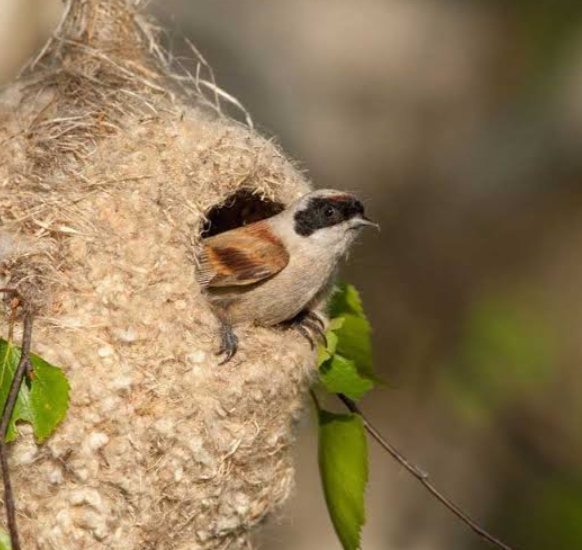
Weaver birds, found primarily in Africa and parts of Asia, are renowned for their intricate and beautifully woven nests. These nests are constructed from grasses, twigs, and other available plant materials, intricately intertwined to create a robust, hanging structure. Males are particularly known for their craftsmanship, often weaving elaborate nests to attract a mate. Some weaver species create communal nests that can house dozens of pairs, adding an element of community to their nesting behavior.
The craftsmanship of a weaver bird’s nest is not just for show; it serves practical purposes. The shape and placement of nests are crucial for protecting eggs and fledglings from predators. Additionally, the thick walls of these nests help regulate temperature, providing a cozy environment for the young birds until they are ready to fledge.
-
- Observe weaver nests in your area to appreciate their structure.
-
- Learn about the materials used for weaving; this can vary by region.
-
- Take note of the different weaver species and their nesting behaviors.
-
- Consider engaging in bird-watching to spot these impressive nests.
2. The Artistry of the Bowerbird
Bowerbirds, native to Australia and New Guinea, take nest-building to the next level with their unique courtship displays. Male bowerbirds construct elaborate structures known as bowers, which are not true nests but rather elaborate arenas for attracting mates. These bowers are adorned with colorful objects, ranging from flowers to bits of plastic and glass, showcasing the males’ artistic flair. Each species has its style; some create a “twig hut” while others may prefer an “avenue” design.
The selection and arrangement of objects within the bower are crucial. Male bowerbirds are known to select items that stand out against the natural background, ensuring they catch the eye of a female wandering by. This behavior not only highlights their intelligence but also reflects their strong focus on aesthetics, demonstrating the role of visual attraction in the mating process among birds.
-
- Research different bowerbird species to understand their unique nesting habits.
-
- Identify the objects preferred by males for their bowers in your area.
-
- Consider the ecological impact of bowerbirds on their environment.
-
- Observe bowerbirds in their natural habitat to learn about their behaviors.
3. The Ingenious Nest of the Termite Bird
Known as the Greater Honeyguide, this bird has a rather unconventional nesting method by placing its eggs in the nests of sociable weaver birds or even in active termite mounds. The birds have adapted this strategy to save energy and resources in building their nests. Once the honeyguide chicks hatch, they often evict the host’s eggs or chicks, demonstrating a level of ruthlessness typical for brood parasites.
This strategy allows the Greater Honeyguide to devote its efforts to foraging and ensuring its own survival rather than expending energy on building nests. The small-sized, well-camouflaged eggs of the honeyguide blend well within the nests of their hosts, increasing their chances of survival until they are ready to fledge. This relationship highlights the complexities of interspecies interactions in nature.
-
- Learn more about parasitic birds and their nesting strategies.
-
- Explore the ecological roles of birds like the Greater Honeyguide.
-
- Understanding the balance of nature can reveal fascinating relationships.
-
- Consider how these interactions affect avian populations in your area.
Nest-building is a remarkable testament to the adaptability of birds in various environments. From intricate weavings to unique courtship displays, the creativity in avian nest construction reflects not only survival but also the intricate relationships within ecosystems. By observing and learning more about these fascinating species, we can deepen our appreciation for the natural world.