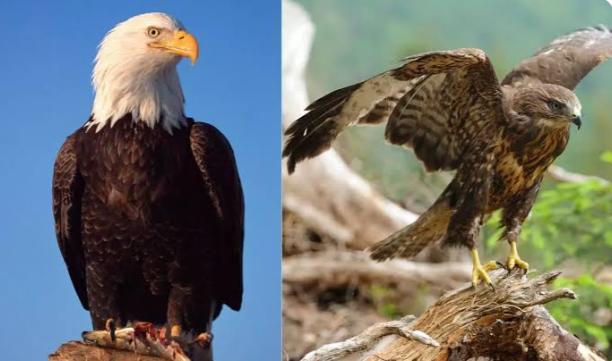
When it comes to birds of prey, eagles and hawks are often confused due to their similar appearances and hunting styles. However, these majestic birds have distinct characteristics that set them apart. Understanding these differences can enrich your appreciation of nature and enhance your birdwatching experiences.
1. Size and Physical Characteristics
Eagles are generally larger than hawks, with a wingspan that can exceed seven feet, depending on the species. For example, the Golden Eagle is known for its impressive size and strength. In contrast, most hawks range from medium to small size, with wingspans typically between 2 to 4 feet. The size difference not only affects their physical appearance but also their hunting capabilities and habitat preferences.
Another notable physical difference lies in their beaks and talons. Eagles possess strong, curved beaks and larger talons, which allow them to capture and carry heavier prey such as rabbits or fish. Hawks, while also adapted to hunt, have more slender beaks and slightly smaller talons, tailored for catching smaller mammals or birds. These variations are crucial, as they reflect their different hunting strategies and diets.
-
- Identify eagles by their larger size and massive beaks.
-
- Observe hawks for their size range and slender body shape.
-
- Look for wing shape: eagles tend to have broader wings.
-
- Notice coloration differences; eagles often have lighter heads compared to hawks.
2. Hunting and Feeding Habits
When it comes to hunting, eagles and hawks employ different strategies. Eagles are known for their powerful flights and often hunt from high above, using their acute eyesight to spot prey from great distances. They favor larger game and sometimes scavenge, making them adaptable hunters. An eagle might swoop down to catch a fish from the water or snatch up a rabbit from the ground.
Hawks, on the other hand, are more versatile in their hunting methods. They can hunt both solo and in groups and rely on a combination of stealth and speed. For instance, a Red-tailed Hawk can sit quietly on a tree branch and then dive down swiftly to surprise its unsuspecting prey. Their diet varies from small mammals to insects and even smaller birds, showcasing their adaptability in different environments.
-
- Watch for eagles hunting from high perches or soaring in circles.
-
- Note hawks’ hunting techniques, often low to the ground.
-
- Pay attention to their prey: eagles prefer larger animals while hawks eat smaller ones.
-
- Observe feeding habits; eagles may scavenge while hawks predominantly hunt.
3. Habitats and Nesting Preferences
Eagles typically prefer more remote and open areas such as mountains, large trees, and near bodies of water, where they can easily spot their prey. Their nests are massive structures, often built in tall pine trees or cliffs. For instance, Bald Eagles are known to create large nests that can reach several feet in diameter, which they use year after year, sometimes adding more material each season.
Hawks are far more adaptable when it comes to habitat. They can thrive in urban areas, forests, grasslands, and even deserts. Their nests are generally smaller than those of eagles and can be found in various settings, including trees, ledges, or even man-made structures. This adaptability allows hawks to exist in diverse environments, making them a common sight across multiple landscapes.
-
- Explore different habitats: Eagles love open spaces, while hawks are adaptable.
-
- Look for eagle nests; they are usually larger and placed in prominent locations.
-
- Identify hawk nests that might be in less obvious locations.
-
- Consider seasonal migrations; eagles may travel less than some hawk species.
4. Behavior and Social Structures
In terms of behavior, eagles tend to be solitary creatures, preferring to hunt and soar alone or with a mate. They exhibit territorial behaviors and will defend their hunting grounds against other eagles. This independence offers them a unique way to thrive in their environment, as they often dominate in areas with rich prey availability.
Hawks, however, display different social structures. Some hawk species are known to hunt in packs or family groups, which can lead to successful hunts of larger prey. For example, Harris’s Hawks have been observed working together to catch prey, showcasing complex social dynamics that enable them to thrive in various ecosystems. This cooperative behavior is often seen in open habitats where food can be scarce.
-
- Observe social behaviors: Eagles are typically solitary.
-
- Look for group hunting in hawks, especially species like Harris’s Hawks.
-
- Note territorial behaviors, particularly in eagles.
-
- Watch for interactions with other birds; eagles will defend against intruders.
5. Conservation Status and Ecological Importance
Both eagles and hawks play significant roles in their respective ecosystems. Eagles, often viewed as indicators of a healthy environment, are crucial for population control of their prey species, thereby maintaining ecological balance. Despite their resilience, many eagle species face threats from habitat destruction and pollution, highlighting the need for focused conservation efforts.
Similarly, hawks contribute to controlling rodent populations and other small animals, ensuring a balanced food chain. Some hawk species have experienced population declines due to habitat loss and pesticide use, making conservation efforts critical for their survival. Understanding their roles not only fosters appreciation but also underscores the importance of protecting their habitats.
-
- Stay informed about local conservation efforts for both eagles and hawks.
-
- Encourage wildlife protection programs in your area.
-
- Support responsible birdwatching practices to minimize disturbance.
-
- Engage with community projects focused on habitat restoration.
In conclusion, while eagles and hawks may seem similar at first glance, their differences are significant in size, hunting habits, habitats, behaviors, and ecological roles. Take the next step by investing time in birdwatching, joining a local conservation group, or simply learning more about these fascinating wildlife species. Every small action contributes to their preservation and our understanding of the natural world.