Raptors are magnificent birds of prey that play a crucial role in maintaining the balance of farmland ecosystems. Many farmers have noticed these skilled hunters effectively controlling rodent populations, which can wreak havoc on crops. Understanding how raptors contribute to this dynamic can help promote sustainable farming practices.
1. The Role of Raptors in Controlling Rodents
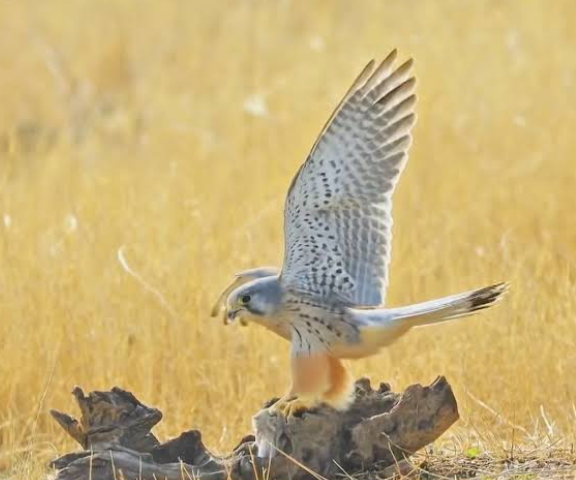
Raptors, including hawks, owls, and kestrels, have adapted to hunting in open areas such as farmland. With exceptional vision and swift flight, these birds can identify and capture rodents like voles, mice, and rabbits with remarkable efficiency. For example, a single pair of barn owls can consume over 3,000 rodents in one breeding season, significantly impacting the rodent population in agricultural areas.
The hunting ability of raptors not only helps control pests but also reduces the need for chemical rodenticides that can harm other wildlife and contaminate the environment. By leveraging the natural hunting prowess of these birds, farmers can promote a healthier ecosystem while protecting their crops.
-
- Encourage raptor populations by providing nesting boxes.
-
- Avoid using harmful chemicals that could harm birds of prey.
-
- Plant native vegetation to create a habitat for rodents while providing hunting grounds for raptors.
-
- Educate surrounding communities about the benefits of raptors in farmlands.
2. Benefits of Raptor Presence on Farmland
The presence of raptors on farmland offers numerous benefits beyond just rodent control. By reducing the rodent population, these birds indirectly help maintain the health of crops, lowering losses due to gnawing and burrowing. Furthermore, the ecological balance maintained by these predators fosters biodiversity, attracting other beneficial wildlife such as pollinators and pest-eating insects.
Moreover, raptors contribute to the aesthetic appeal of farmland, attracting birdwatchers and wildlife enthusiasts. This additional interest can create supplementary income opportunities for farmers through eco-tourism and wildlife photography, promoting a more diverse economic model for the agricultural sector.
-
- Monitor raptor activities and document changes in rodent populations.
-
- Highlight raptors in promotional materials for farm visits or tours.
-
- Implement practices that safeguard raptors, such as reduced chemical use.
-
- Incorporate raptors into educational programs for local schools.
3. Creating a Raptor-Friendly Farming Environment
To effectively attract raptors to farmland, farmers can adopt several strategies. One primary method is the installation of various raptor perches such as poles or trees where these birds can survey their territory for prey. This not only provides a vantage point for hunting but also creates nesting sites in the surrounding area.
Additionally, creating wildlife corridors with native shrubs and grasses can help sustain small mammal populations while providing raptors with excellent hunting grounds. By managing the landscape to favor both raptors and their prey, farmers can enhance the natural balance, benefiting the ecosystem as a whole.
-
- Set up designated perching spots at strategic locations across the farmland.
-
- Plant native shrubbery to attract rodents while providing cover for raptors.
-
- Maintain open fields free from dense underbrush to keep rodent populations manageable.
-
- Observe raptor behavior to adjust farming practices accordingly.
Raptors are not only fascinating creatures but also crucial allies for farmers battling rodent infestations. By engaging with and promoting the presence of these birds, farmers can nurture a healthier farming ecosystem. Understanding the ways in which raptors contribute to farmland can empower farm management decisions and foster a deeper appreciation for wildlife conservation.