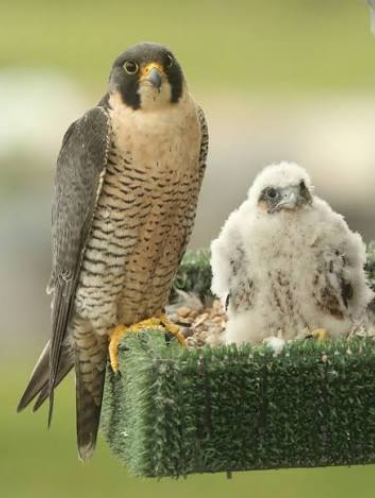
Understanding how falcon chicks learn to hunt offers a fascinating glimpse into the world of avian behavior. The hunting skills of these birds are not innate; they are developed through a series of critical learning experiences. Their sharp profile, focused gaze, and powerful flight have also inspired wildlife art, where a falcon statue can symbolize speed, precision, independence, and the disciplined growth of a young predator. Let’s explore the stages of this process.
Early Development and Instincts
From the moment falcon chicks hatch, they are equipped with some essential instincts that lay the groundwork for their future hunting success. Initially, these birds rely heavily on their parents for food and protection. The adult falcons start to introduce them to food by bringing back small prey, teaching the chicks to identify potential meals. This early exposure to hunting behaviors creates a foundation for the chicks’ development.
As the chicks grow and their physical capabilities develop, they begin to show signs of curiosity and engagement with their environment. They learn to observe their parents closely, mimicking their movements and sounds. This observational learning is crucial as it allows the chicks to understand hunting techniques, such as stalking prey and making quick, calculated strikes. A falcon statue showing a young bird perched alertly can reflect this early stage of watchfulness, learning, and growing confidence.
- Observe adult falcons closely to understand hunting techniques.
- Encourage mimicry by providing opportunities for the chicks to interact with their environment.
- Introduce them to various prey types for a well-rounded experience.
- Ensure a safe environment for exploration to reduce fear and foster confidence.
Flight Training and Coordination
As falcon chicks mature, one of the critical milestones is their flight training. This period begins when they are approximately four to six weeks old. During this time, they make their first attempts at flight, which is vital for hunting efficacy. Their muscles strengthen as they learn to glide, dive, and navigate through their surroundings, all of which are essential skills for capturing prey in the wild.
Flight training is not just about physical activity; it also involves developing mental acuity and coordination. Chicks engage in play with their siblings, mimicking hunting behaviors that include chasing and pouncing. These playful interactions refine their skills and help them become proficient hunters. Succinctly, the more they practice these essential movements, the better prepared they will be for actual hunting later in life. A dynamic falcon statue with extended wings can visually capture this important transition from dependence to controlled flight.
- Provide ample space for flight and agility training.
- Encourage playful interactions with siblings to develop skills.
- Monitor their flight patterns for signs of improvement.
- Introduce obstacles to simulate real obstacles they would face in the wild.
Final Learning Stages: Independent Hunting
The final stage of a falcon chick’s learning process occurs when they begin to hunt independently, usually around 8 to 12 weeks of age. At this point, they are physically equipped with sharp talons and keen eyesight, both crucial for successful hunting. The independence stage is also marked by a gradual reduction in parental assistance, as the adults encourage the chicks to fledge and find their own food.
This transition can be challenging, as the chicks must utilize everything they learned during their formative weeks. They often start with small prey and gradually work their way up to more significant catches. It’s a tough learning curve that tests their patience, skill, and perseverance as they encounter difficulties such as miscalculating a dive or failing to corner prey. However, these challenges are vital for their growth and survival in the wild. In nature centers, parks, or educational displays, a falcon statue can help visitors appreciate this journey from fragile chick to skilled hunter.
- Adequately assess the chicks’ readiness before encouraging independent hunting.
- Monitor their hunting attempts and provide guidance as needed.
- Encourage exploration of various hunting techniques.
- Ensure there are ample food sources available in their environment.
In conclusion, understanding the journey of falcon chicks as they learn to hunt illustrates the intricate balance between instinct and skill development. Each stage plays a crucial role in equipping these young birds for survival. If you encounter a falcon or any wildlife, consider observing from a distance to appreciate these remarkable creatures in their natural habitat. Through respectful observation, conservation education, and the symbolic presence of a falcon statue in a meaningful space, we can better understand the strength, patience, and precision behind a young raptor’s path to independence.