Owls are fascinating creatures that captivate our imagination with their silent flight and haunting calls. One of the most intriguing aspects of their lives is how they raise their young in hidden nests, often tucked away in the most unexpected places. In this blog post, we will delve into the world of owl nesting behaviors, exploring their impressive strategies for keeping their young safe from potential predators.
1. The Importance of Hidden Nests
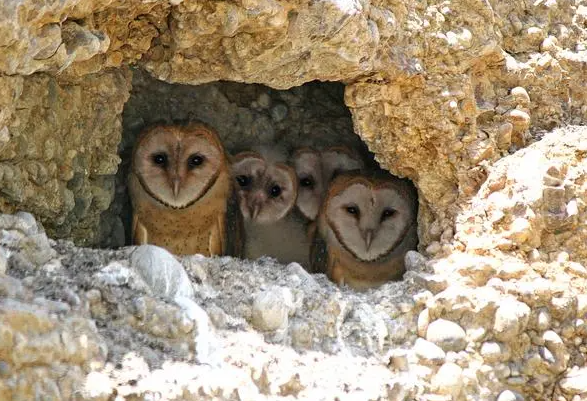
Owls utilize hidden nests as a primary strategy for protecting their young from various predators. These nests are often located in tree cavities, abandoned structures, or well-hidden spots in dense foliage. This natural camouflage significantly decreases the chances of detection by larger birds or mammals that may pose a threat to their chicks. In some cases, owls will even choose to nest on the ground, covering their nests with leaves and sticks to obscure them from view.
Moreover, the choice of nesting site can also influence the success rate of their offspring. For instance, some owl species, like the Great Horned Owl, prefer to take over nests previously used by other birds, capitalizing on the stability and safety of these locations. The careful selection of hidden nests is a testament to the adaptability and intelligence of these raptors in ensuring the survival of their young.
-
- Research the common owl species in your area and their preferred nesting habits.
-
- Observe local wildlife to identify potential predator threats to owl nests.
-
- Educate others about the significance of preserving owl habitats.
-
- Engage in local conservation efforts to protect natural nesting sites.
2. Nesting Materials and Construction
When constructing their nests, owls are resourceful, often utilizing a mix of natural materials. They may collect twigs, grasses, feathers, and even remnants of previous nests to create a suitable environment for raising their young. This diversity in nesting materials helps to insulate the nest against temperature fluctuations, ensuring that the chicks remain comfortable and secure during their early development.
In some cases, owl species will even incorporate the droppings of their chicks into their nesting site, as the alkaline nature of the droppings can deter certain parasitic insects. By carefully arranging the nest, owls create a cozy and safe space that significantly increases the chances of chick survival. Observing the intricate ways owls construct their nests reveals not only their instinctive behaviors but also their adaptability to environmental challenges.
-
- Identify local tree species that support owl nesting needs.
-
- Gather materials naturally found in the environment for building or enhancing their nesting sites.
-
- Consider the impact of weather conditions on the nest’s location.
-
- Promote awareness about the importance of nesting materials in conservation forums.
3. Parenting and Feeding Strategies
Once the eggs hatch, owl parents take on the crucial role of caregivers, ensuring that their young are well-fed and protected. Owls primarily feed their chicks small mammals, birds, and insects, with dietary choices varying by species and local availability. The parents take turns hunting and tending to the nest, which involves bringing food back to the chicks and keeping them warm while they are still vulnerable.
The feeding process is not just about delivering meals; it is also a learning experience for the young owlets. As the chicks grow, they begin to practice hunting skills by playing with prey items brought to the nest. This playful behavior helps them develop the strength and skills needed for survival in the wild. Understanding the parenting strategies of owls provides valuable insights into the broader dynamics of wildlife and ecosystem health.
-
- Observe the dynamics of owl pairs in your area during the nesting season.
-
- Document feeding behaviors to contribute to local wildlife studies.
-
- Share experiences about owl sightings and behaviors on community platforms.
-
- Promote respectful distance when observing owls to avoid disturbance.
4. The Role of Camouflage
Camouflage plays a vital role in the lives of owls, not just in their nests but also in their plumage. This remarkable adaptation allows them to blend seamlessly into their surroundings, offering protection during both nesting and hunting. The intricate patterns and colors of their feathers enable them to remain unnoticed by potential threats, which is essential for their survival and the safety of their young.
Different species of owls have varying camouflage tactics. Barn Owls, for example, sport light-colored feathers that resemble the hues of the barns and fields where they reside. This strategic adaptation extends beyond the physical appearance and enhances their success as nocturnal hunters. Recognizing the significance of camouflage in the lives of owls can inspire us to care more for their habitats, ensuring they remain undisturbed.
-
- Learn about various camouflage strategies used by different owl species.
-
- Encourage local conservation groups to focus on preserving natural habitats.
-
- Engage children in owl-themed educational activities about wildlife camouflage.
-
- Participate in workshops on wildlife photography to capture owls in their natural habitats.
Owls and their nesting behaviors offer us incredible insights into nature’s resilience and adaptability. By understanding how these remarkable birds raise their young in hidden nests, we can appreciate the intricacies of their lives and the ecosystems they inhabit. Consider taking steps today to protect their habitats and educate others about the importance of these mysterious raptors. Every action counts towards preserving the wonders of nature for future generations.