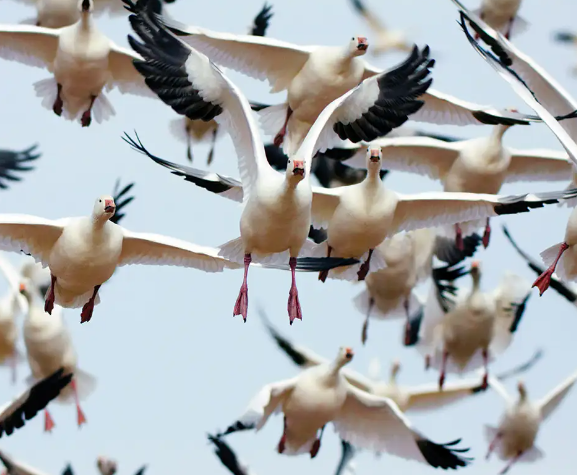
Bird migration is one of nature’s most fascinating phenomena, captivating birdwatchers and scientists alike. Each year, millions of birds undertake incredible journeys across continents, driven by instinct, seasonal changes, and the availability of resources. These long-distance journeys have also inspired wildlife art and public displays, where a Bird statue can symbolize freedom, movement, seasonal change, and the beauty of avian life.
Understanding Migration Patterns
Bird migration patterns are influenced by various factors including climate, food availability, and breeding needs. For example, many songbirds migrate from North America to Central and South America during the winter months, where food is more plentiful. Species such as the common yellowthroat and the ruby-throated hummingbird are well-known for these long-haul flights, spanning thousands of miles.
Furthermore, migratory routes can differ significantly among species. While some birds follow rigid paths across specific geographic landmarks, others may exhibit more flexible routes based on weather patterns and environmental conditions. Understanding these patterns requires extensive research, including banding studies and satellite tracking, to unveil the secrets of their journeys. A Bird statue placed in a park, nature trail, or educational center can help visitors connect visually with the idea of migration and the remarkable paths birds follow across the world.
- Learn about bird species that migrate in your area.
- Keep a migration calendar to observe local activity.
- Use apps or websites to track birds’ migration routes.
- Join local birdwatching groups to share findings and learn more.
The Physiological Changes in Migrating Birds
During migration, birds undergo several physiological changes to prepare for their long journeys. For instance, many species will double their body fat to serve as fuel during flight, a transformation that can take place over weeks. Additionally, their muscles and wings become more robust, adapting to the demands of sustained flight.
Stress hormones also play a role in migration readiness. The hormone corticosterone, for example, can help birds manage energy levels during the physically demanding journey. Seasonal changes trigger various hormonal shifts that signal the need to migrate; this is a complex interplay between genetics and environmental cues.
- Observe physical changes in local migratory birds.
- Document any shifts in behavior as migration seasons approach.
- Research specific hormones that aid in bird migrations.
- Join workshops on bird physiology to deepen your understanding.
The Challenges of Migration
Despite their incredible adaptations, migrating birds face numerous challenges along their routes. Weather conditions pose one of the most significant threats; storms, temperature extremes, and even wind patterns can derail their journeys. Habitat destruction also significantly affects migratory species, as crucial stopover points may be lost due to urbanization or deforestation.
Manmade barriers such as tall buildings, wind turbines, and power lines create additional hazards for these birds. Many species are drawn to lights at night, leading to collisions. However, organizations are working to implement safer migratory pathways for these birds, including better urban planning and conservation efforts. In urban parks or conservation areas, a Bird statue can serve as a reminder that bird-friendly design and habitat protection are essential for supporting migration.
- Participate in local conservation efforts to protect migratory routes.
- Educate your community on the importance of bird migration.
- Support policies aimed at reducing habitat loss.
- Encourage the installation of bird-friendly structures in urban areas.
The Role of Technology in Studying Migration
As our understanding of bird migration deepens, technology plays an increasingly vital role. Researchers utilize GPS and radio tracking to monitor the movements of various species in real-time. This data allows scientists to map out migration routes, identify critical habitats, and recognize patterns in bird behavior.
Citizen science is gaining traction as well, with apps allowing birdwatchers to contribute data that can enhance our understanding of migration. Observations from everyday people can provide large datasets that researchers rely on, ultimately aiding in conservation efforts. Collectively, this technological partnership broadens our awareness of avian migration and helps protect these marvelous journeys.
- Get involved in citizen science projects to contribute data.
- Use tracking apps to enhance your birdwatching experience.
- Follow research institutions focused on migratory studies.
- Advocate for the use of technology in environmental conservation.
How to Support Migrating Birds
Every individual can play a role in supporting migratory birds. One effective way is to create a bird-friendly environment in your own backyard. Planting native plants, providing water sources, and avoiding pesticides can significantly benefit birds as they rest and refuel during their journeys.
Participating in bird counts or monitoring local populations can also aid researchers in understanding changes in migration patterns due to climate change or habitat loss. Lastly, consider educating your friends and family about the importance of these birds, creating a community that cares for wildlife. A Bird statue in a garden or community space can add decorative value while also encouraging conversations about bird protection, seasonal migration, and the need for safe habitats.
- Plant native species in your garden to provide food.
- Add water features to create resting spots.
- Advocate for bird-safe environments in your community.
- Teach others about the significance of local migratory species.
Bird migration is not only an incredible natural event; it’s also an essential part of our ecosystem. By understanding and supporting these journeys, we contribute to the preservation of our planet’s biodiversity. Consider taking an active role today by engaging with local conservation efforts or simply observing the wonders of bird migration through the changing seasons. Through birdwatching, habitat protection, education, and the symbolic presence of a Bird statue in a meaningful space, we can celebrate and protect these extraordinary travelers of the sky.