Eagles are among the most majestic and powerful birds in the world, renowned for their keen eyesight, impressive wingspans, and exceptional hunting abilities. Among the many species of eagles, some stand out as the most formidable, showcasing incredible adaptations that enable them to thrive in various environments. In this post, we will explore some of the most powerful eagles on the planet.
1. The Golden Eagle
The Golden Eagle is one of the most widely distributed eagles across the Northern Hemisphere, found in parts of North America, Europe, and Asia. This eagle can reach impressive speeds of up to 150 miles per hour while diving, making it a fearsome predator. Its large wingspan, typically between 6 to 7.5 feet, allows it to soar effortlessly while searching for prey, which often includes rabbits, hares, and small to medium-sized mammals.
Golden Eagles have an incredible adaptation: their strong legs and sharp talons enable them to capture and lift prey that is nearly as heavy as they are. Their feathers are intricately designed for optimal flight, providing both strength and stealth. Moreover, their eyesight is about four to eight times sharper than that of humans, allowing them to spot prey from great distances.
-
- Observe Golden Eagles in their natural habitats during an eagle-watching tour.
-
- Learn about their feeding habits and preferred prey for a deeper understanding.
-
- Ensure protection of their nesting sites through conservation efforts.
-
- Join local birdwatching groups to share knowledge and experiences.
2. The Harpy Eagle
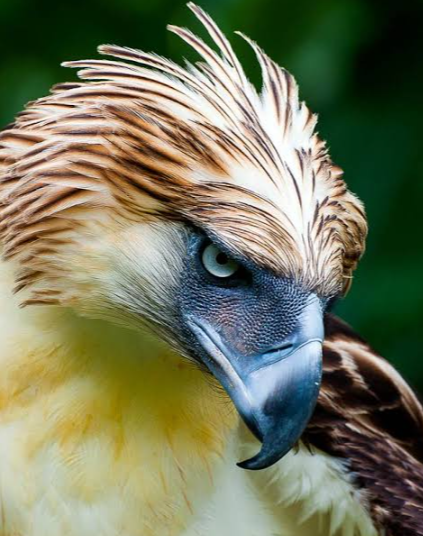
The Harpy Eagle, often considered the most powerful bird of prey in the world, resides primarily in tropical rainforests from Central to South America. With a wingspan of up to 7 feet, this eagle is not only striking in appearance but also possesses incredible strength. It has powerful legs capable of exerting over 600 pounds of pressure, making it particularly adept at hunting large prey such as monkeys and sloths.
Harpy Eagles are known for their impressive hunting skills; they rely on stealth and strength rather than speed. They usually perch silently on tree branches, scanning for movement below. Once spotted, they swoop down with precision, using their massive talons to capture their prey. Their strong beaks can easily break bones, allowing them to consume even tough animals.
-
- Research the habitat of Harpy Eagles and how deforestation impacts them.
-
- Support organizations dedicated to conserving tropical rainforests.
-
- Encourage sustainable practices to protect their food sources.
-
- Follow eco-tourism ethics if you decide to go birdwatching in their habitat.
3. The White-tailed Eagle
As one of the largest eagles in Europe, the White-tailed Eagle boasts a wingspan of approximately 6 to 8 feet. This species is easily recognizable due to its white tail and massive size, offering a majestic presence along coastal regions and waterways. White-tailed Eagles primarily feed on fish, but they are also opportunistic feeders, commonly scavenging for carrion.
These eagles are incredibly adaptable, thriving in various habitats, including wetlands and forested areas. They have been known to build some of the largest nests of any bird, which can weigh over a ton! Generally, they are solitary birds, but during the breeding season, they may form monogamous pairs that return to their nests year after year.
-
- Visit nature reserves where White-tailed Eagles can be spotted.
-
- Learn about the importance of wetlands in supporting wildlife.
-
- Advocate for water pollution control to protect fish populations.
-
- Document your sightings and share them with conservation organizations.
4. The Steller’s Sea Eagle
The Steller’s Sea Eagle is one of the heaviest eagles globally, primarily found in the coastal regions of northeastern Asia. This eagle has striking black and white plumage, with a vivid yellow beak that sets it apart from other species. Typically weighing up to 20 pounds, the Steller’s Sea Eagle has a wingspan that can reach nearly 8 feet, enabling it to soar gracefully above its domain.
Known for its impressive hunting prowess, this eagle primarily feeds on fish, especially salmon, and is also known to take on prey as large as seals. What sets it apart is its behavior during the winter months when it often congregates in large numbers near rivers filled with fish. Here, they utilize the ice edges to hunt, showcasing their remarkable adaptability and social behavior.
-
- Observe Steller’s Sea Eagles during seasonal migrations.
-
- Research conservation efforts focused on preserving their habitats.
-
- Engage with local fisheries to promote sustainable practices.
-
- Participate in citizen science projects to track eagle populations.
In conclusion, the world of eagles is fascinating and filled with incredible diversity. By understanding and appreciating these powerful birds, we can take important steps toward conservation efforts that ensure their survival. Consider getting involved with local conservation programs or educational tours to observe these incredible creatures in action!