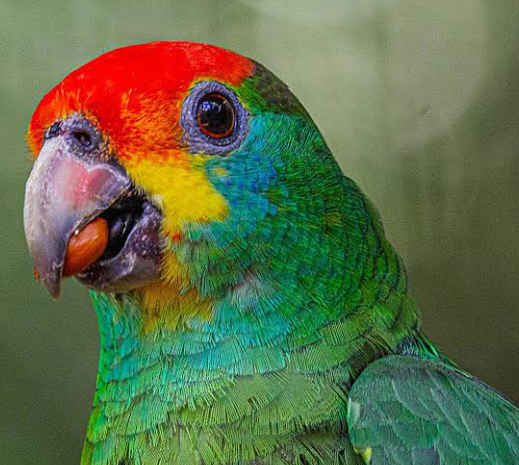
Parrots are among the most vibrant and intelligent birds found in the rainforest, renowned for their stunning plumage and complex communication skills. Their calls are not just noise; they serve crucial roles in social bonding, territory defense, and even navigation.
In this blog post, we will explore the fascinating world of parrots in the rainforest, focusing on their complex calls and why they matter for both the birds themselves and their ecosystem.
1. The Diversity of Parrot Species
The rainforest is home to a multitude of parrot species, each adapted to specific environments and lifestyles. From the iconic Macaw to the smaller, but equally colorful, Amazon parrots, these birds exhibit a range of vocalizations and social behaviors. They often reside in flocks, which allows them to communicate effectively and engage in social interactions.
Diversity among species also means variations in call complexity. For instance, the Hyacinth Macaw has a deep, resonant call that can be heard over vast distances, while smaller species, such as the Budgerigar, produce a series of high-pitched chirps and whistles. Understanding these differences can enhance our appreciation for their adaptability and survival strategies.
-
- Learn about different species of parrots in your region.
-
- Observe their social interactions to appreciate their complex behaviors.
-
- Take note of the variations in calls and try to identify them.
-
- Consider local conservation efforts that protect their habitats.
2. The Role of Calls in Communication
Parrots use their calls for various communication purposes, including alerting flock members about dangers or signaling the presence of food. Unlike other birds, the intricate vocalizations of parrots can convey specific information. For example, a call that signifies the presence of a predator may differ from one that signals the discovery of a food source.
Interestingly, some species have been observed to mimic other birds and even human sounds, showcasing their intelligence and adaptability. This mimicry is often employed to blend into their environment or even engage other species. Therefore, understanding their vocalizations can provide insights into their social structure and ecological role within the rainforest.
-
- Pay attention to different call types and what they might signify.
-
- Study how parrots interact with other species through mimicry.
-
- Join local birdwatching groups to deepen your learning.
-
- Use recordings of parrot calls to enhance identification skills.
3. The Impact of Environmental Changes on Parrot Calls
Environmental changes, such as deforestation and climate change, have significant effects on parrot populations and their communication. As habitats are destroyed, the complexity of their calls may diminish, leading to difficulties in social bonding and survival. Reduced flock sizes can result in fewer opportunities for parrots to practice and refine their calls.
Moreover, as parrot habitats shrink, they might adapt by altering their calls to be more effective in their new surroundings. For example, in more fragmented environments, they may call more frequently to maintain contact with their flocks. Studying these adaptations is essential for conservationists working to protect these beautiful birds.
-
- Stay informed about local environmental issues affecting parrots.
-
- Support conservation projects focused on restoring habitats.
-
- Engage in advocacy for better environmental policies.
-
- Participate in citizen science projects to monitor bird populations.
4. Conserving Parrots and Their Habitats
Conservation efforts are vital for protecting parrot populations and their intricate calling systems. Organizations around the world are dedicated to research, rehabilitation, and habitat restoration. Public awareness and support play a crucial role in these efforts, as the more people understand the importance of parrots, the more action can be taken to protect them.
Education initiatives targeting local communities help increase awareness about the ecological roles parrots play. Workshops, school programs, and community-driven birdwatching events can foster a culture of conservation. Engaging with local communities ensures collective action towards habitat preservation.
-
- Learn about local conservation groups and their missions.
-
- Participate in cleanup events in parrot habitats.
-
- Share information about parrots and conservation efforts on social media.
-
- Consider adopting eco-friendly practices to reduce your environmental footprint.
In conclusion, understanding the complex calls of parrots in the rainforest not only enhances our appreciation for these incredible birds but also highlights the urgent need for conservation. By getting involved, whether through education or local initiatives, you can help protect these vocal marvels and their essential habitats.