When it comes to the avian world, few creatures capture our imagination quite like falcons and hawks. Both known for their remarkable flight capabilities and hunting prowess, they exhibit unique traits and strategies that make them fascinating subjects of study. In this blog post, we’ll compare the speed and hunting tactics of these majestic birds, shedding light on what sets them apart.
1. The Incredible Speed of Falcons
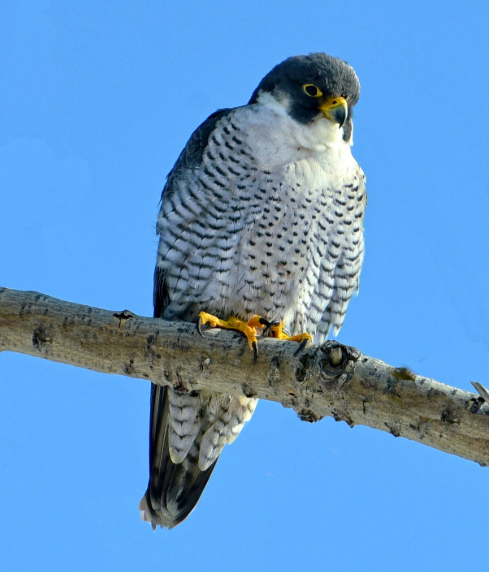
Falcons are often celebrated for their extraordinary speed, especially when diving to catch prey. The peregrine falcon, for instance, is considered the fastest bird in the world, reaching speeds over 240 mph during its stoop (high-speed dive). This remarkable speed gives them a significant advantage over their prey, allowing them to strike with precision and surprise.
Speed is not just a product of their body structure; their hunting style is finely tuned toward maximizing this trait. Falcons typically hunt in open spaces, soaring high before diving down toward their target. Their aerodynamic body shape and sharp, pointed wings contribute to their incredible velocity and maneuverability, enabling them to chase down birds during flight or target quick-moving animals on the ground.
-
- Understand the different falcon species and their speed records.
-
- Learn about the aerodynamic features that enhance their flight.
-
- Observe falcons hunting in open fields for insights into their techniques.
-
- Appreciate the role of vision in identifying fast-moving prey.
2. Hawks’ Strategic Hunting Tactics
While hawks may not reach the dizzying speeds of falcons, they possess a range of hunting tactics that make them formidable predators. Hawks often rely on stealth and patience, using their excellent eyesight to spot potential prey from a distance. They typically perch on elevated spots or fly to high altitudes, scanning the ground below for movement.
Once they identify a target, hawks can quickly close the distance, utilizing their powerful talons to grasp and capture their prey. Unlike falcons, hawks may engage in a more nuanced approach, often employing ambush tactics or using cover to sneak up on unsuspecting animals. Their adaptability and versatile hunting styles allow them to thrive in various environments, from forests to open fields.
-
- Consider the different hawk species and their preferred hunting methods.
-
- Utilize binoculars for birdwatching to observe their strategies.
-
- Research how hawks adapt their hunting tactics based on prey availability.
-
- Learn about their vocalizations and behavior during hunting.
3. Comparing Efficiency: Falcons vs Hawks
When evaluating efficiency, it’s important to look at how both birds tackle the challenges of hunting. Falcons depend on their remarkable speed to surprise and swiftly capture fast-moving prey, often relying on quick bursts of energy to chase after birds or small mammals. Their strategy is heavily reliant on speed, which sometimes comes at the cost of endurance.
On the other hand, hawks utilize a more methodical approach. Their hunting efficiency comes from observing and understanding their environment, allowing them to choose the right moment to strike. While they may not be the fastest, their tactical patience often results in a successful hunt. This distinction highlights how each bird has evolved its unique survival strategies that suit its ecological niche.
-
- Analyze the different hunting techniques and styles of both birds.
-
- Track their average hunting success rates in various environments.
-
- Observe their behavior during hunts to discern tactical differences.
-
- Consider the energetic costs associated with speed versus strategy.
4. The Ecological Impact of Falcons and Hawks
Both falcons and hawks play vital roles in their ecosystems, often serving as indicators of environmental health. As top predators, their presence helps regulate prey populations, maintaining balance within their habitats. These birds not only contribute to the natural order but also promote biodiversity by controlling the populations of smaller birds and rodents.
Additionally, studying these raptors offers insights into environmental changes. For example, a decline in hawk or falcon populations can signal deteriorating ecosystems or changes in prey availability due to habitat destruction or pollution. Understanding their behaviors and population dynamics can help conservationists develop better strategies for protecting these incredible species.
-
- Educate yourself on local raptor conservation efforts.
-
- Participate in citizen science projects related to bird observation.
-
- Support habitats that protect these birds and their prey.
-
- Engage with local wildlife agencies for information on raptor populations.
In conclusion, while falcons and hawks may share the skies, their differences in speed and hunting tactics create a dynamic interplay that enriches nature. Understanding these differences not only enhances our appreciation of these magnificent birds but also underscores the importance of their conservation. To dive deeper into the avian world, consider joining a birdwatching group or volunteering for local conservation projects. Every step counts!