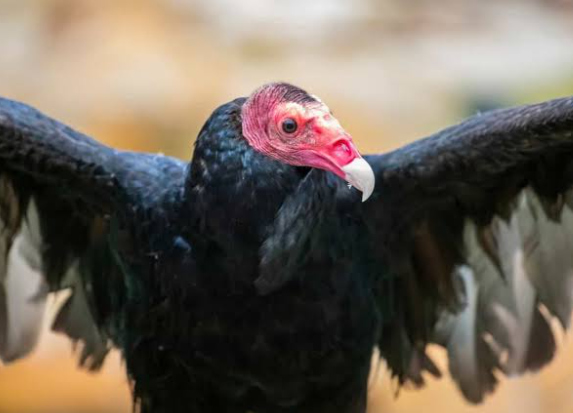
Vultures are often painted as grim scavengers with a misunderstood reputation. However, these remarkable birds play a crucial role in maintaining the health of ecosystems. Understanding their importance can help us appreciate their presence and promote their conservation.
1. The Ecological Role of Vultures
Vultures are nature’s clean-up crew, specializing in consuming dead animals, or carrion, that could otherwise become breeding grounds for disease. By removing decomposing carcasses from the environment, they prevent the spread of pathogens that could harm other wildlife, livestock, and even humans. For instance, studies show that a decline in vulture populations can lead to an increase in diseases such as rabies and anthrax among animal populations.
Their role extends beyond mere clean-up, as vultures also contribute to nutrient cycling in ecosystems. As they feed on carrion, they help break down the carcasses into forms that enrich the soil, promoting plant growth. This nutrient input is essential for vibrant ecosystems, especially in arid regions where nutrient levels may already be low. The presence of vultures can, therefore, dramatically improve the overall health of an ecosystem.
-
- Learn about local vulture species and their behaviors.
-
- Support conservation organizations that protect vultures.
-
- Reduce pesticide use, which can harm vultures.
-
- Educate others about the importance of vultures in ecosystems.
-
- Participate in local wildlife monitoring programs.
2. Vultures and the Balance of Wildlife Populations
Vultures help maintain the balance of various wildlife populations by controlling the spread of disease. When carrion is left unchecked, it can attract other scavengers, including rodents and insects, that may carry diseases. By consuming this carrion, vultures significantly reduce the number of potential carriers, thus preserving healthier animal populations. Without vultures, we would see an increase in diseases affecting both wildlife and livestock.
Moreover, vultures often indicate the health of their environment. A healthy vulture population suggests that ecosystems are functioning well, while a decline can signal environmental disruptions. For example, in many regions, the decline of vultures has coincided with rising populations of feral dogs, which poses additional challenges for wildlife management and public health. Monitoring vulture populations can provide critical insights into the ecological health of an area.
-
- Participate in community wildlife conservation discussions.
-
- Report any sightings of local vulture populations.
-
- Know the signs of a healthy ecosystem.
-
- Advocate for reduced hunting of scavenging birds.
-
- Encourage wildlife-friendly agricultural practices.
3. The Threats Facing Vulture Populations
Despite their importance, vultures face numerous threats that endanger their survival. One of the most significant threats is habitat loss due to urbanization and agricultural expansion. As their natural habitats are destroyed, vultures lose their nesting sites and food sources. Furthermore, secondary poisoning from consuming carcasses of animals treated with veterinary drugs poses another serious risk. Many vultures die after eating livestock carcasses that have been poisoned to control diseases, exacerbating their decline.
Poaching and hunting also pose significant threats to vulture populations worldwide. In some cultures, vultures are killed due to misconceptions about their scavenging habits or for use in traditional medicine. These actions not only reduce their numbers dramatically but also threaten the intricate balance they help maintain within their ecosystems. Conservation efforts focused on educating local communities and enforcing protective regulations are essential for the survival of vultures.
-
- Stay informed about vulture conservation initiatives.
-
- Support policies that protect natural habitats.
-
- Engage with local groups focused on wildlife protection.
-
- Report illegal hunting or poaching activities.
-
- Participate in educational programs about vultures.
Vultures are often misunderstood but play an indispensable role in our ecosystems. By educating ourselves about their significance and advocating for their conservation, we can contribute to a healthier world that respects biodiversity. Take the next step—get involved in local conservation initiatives or simply share this information to raise awareness about these remarkable birds.