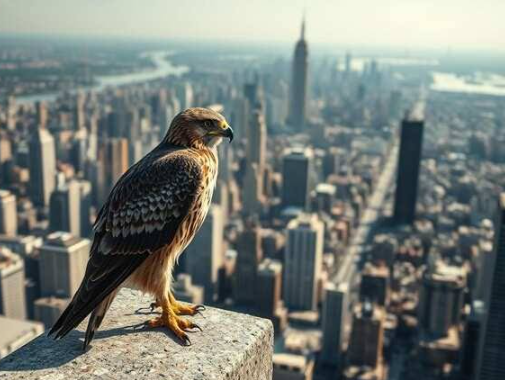
Urban falcons have found a unique niche in our bustling cities, making skyscrapers their home. As these apex predators adapt to urban landscapes, their nesting habits provide intriguing insights into both wildlife and urban development.
1. The Rise of Urban Falcons
Over the last few decades, cities around the world have witnessed an increase in peregrine falcon populations. Once severely endangered, these birds have adapted remarkably well to high-rise environments. Skyscrapers offer an abundance of hunting opportunities with their high vantage points and proximity to prey like pigeons and small birds.
This change isn’t purely accidental; urban planning has unintentionally created a suitable environment. Nesting boxes installed by conservationists, ledges on tall buildings, and the abundance of urban prey have all contributed to the growing falcon population in metropolitan areas.
-
- Choose a high point for nest boxes to mimic natural cliff ledges.
-
- Install nesting boxes during the off-season—late winter or early spring.
-
- Monitor the boxes regularly to ensure they remain clean and suitable.
-
- Limit disturbances around nesting sites during breeding season.
2. Benefits of Urban Nesting
Urban falcons not only serve to enhance the biodiversity of city landscapes but also offer significant ecological benefits. By preying on smaller birds, they help manage populations of species common in urban areas, such as pigeons and starlings. This natural pest control can reduce the need for chemical interventions, promoting healthier urban ecosystems.
The presence of nesting falcons in cities can also stimulate interest and involvement in conservation efforts. Birdwatching communities have sprung up around urban falcon sightings, encouraging people to appreciate and engage with their avian neighbors. Such engagement fosters a deeper connection between humans and wildlife, especially in areas where nature often seems distant.
-
- Engage with local birdwatching groups to learn about urban fauna.
-
- Share your experiences or sightings on social media to raise awareness.
-
- Support local conservation projects focused on urban wildlife.
-
- Consider installing falcon-friendly structures in new urban developments.
3. Challenges Urban Falcons Face
While urban environments offer advantages, they also present unique challenges for falcons. Nesting in busy cities exposes these birds to potential threats such as window collisions and pollution. Young falcons often struggle to navigate the complex urban landscape, which can lead to injuries or fatalities.
Additionally, food scarcity can become an issue if prey species are overcontrolled or if the falcons’ nesting areas are disturbed. These challenges necessitate ongoing monitoring and protective measures to ensure that falcon populations thrive in urban settings.
-
- Install window decals to prevent bird collisions with glass.
-
- Educate the public about respecting nesting zones and minimizing noise.
-
- Participate in or support wildlife conservation monitoring in your area.
-
- Advocate for wildlife-friendly urban planning policies.
4. How to Support Urban Falcons
Contributing to the well-being of urban falcons can be a rewarding endeavor. Simple actions, like creating a falcon-friendly garden or supporting local nesting initiatives, can have a significant impact. By becoming a responsible urban wildlife advocate, you can help enhance the habitats for these magnificent birds.
For those living or working near known nesting sites, making an effort to observe and understand falcons can be entirely beneficial. Consider organizing community events focused on educating others about urban wildlife and its role in the ecosystem, helping to promote coexistence between people and urban falcons.
-
- Educate yourself and others about the importance of urban wildlife.
-
- Volunteer for local conservation projects focused on falcon habitats.
-
- Create community awareness campaigns about the benefits of falcons.
-
- Implement bird-friendly practices in your home or business.
5. Observing Urban Falcons Safely
When observing urban falcons, it’s crucial to do so safely and responsibly. Keeping a respectful distance is vital for the birds’ well-being, especially during the breeding season. Use binoculars or cameras with appropriate zoom lenses to appreciate these magnificent creatures without disturbing them.
Documenting sightings can also contribute to citizen science efforts. Sharing data on falcon nesting and hunting activities can aid researchers in tracking population health and distribution in urban areas. Communities can become more knowledgeable about their avian neighbors through these initiatives.
-
- Use binoculars or a telescope to observe from a distance.
-
- Document your observations in a birdwatching journal.
-
- Share your findings with local conservation groups.
-
- Follow local regulations regarding wildlife observation and conservation.
Urban falcons represent a fascinating interplay between wildlife and city life. By understanding the benefits and challenges they face and engaging with local conservation efforts, you can play a critical role in supporting these incredible birds. Take the time to learn about them, and appreciate the natural world within your urban surroundings.