Bird migration is a spectacular seasonal event, but it comes with myriad challenges and dangers. From environmental obstacles to predators, the journey can be perilous. Understanding these dangers can help us appreciate the resilience of these magnificent creatures and perhaps play a role in their conservation.
1. Environmental Challenges
Each year, millions of birds embark on an arduous journey across continents in search of food, breeding grounds, and suitable climates. However, they face various environmental challenges during migration. Weather phenomena such as storms, strong winds, and extreme temperatures can significantly impede their journey, leading to exhaustion or even fatality. For instance, a sudden cold front can freeze insects, eliminating a vital food source for many birds. In such harsh conditions, their survival odds significantly decrease.
Moreover, changing landscapes and urban development further complicate these challenges. Birds may struggle to find safe resting places and adequate food supplies due to habitat destruction from human activities. For example, deforestation in migratory corridors can lead to navigation errors, pushing birds onto more dangerous paths. Thus, recognizing and preserving natural habitats is crucial in supporting these migratory avian species.
-
- Monitor weather forecasts during migration season.
-
- Support local conservation efforts aimed at preserving habitats.
-
- Provide natural bird habitats in your area (like birdhouses).
-
- Educate others about the importance of migratory birds.
2. Predators and Human Impact
The journey of migration introduces birds to various predators, both natural and human-made. Birds of prey, such as hawks and eagles, often take advantage of the weakened state of migratory birds, hunting them during their arduous travel. This predation can influence the species’ migration timing, often forcing them to make quicker or less strategic choices about when and where to rest.
Additionally, human impact poses significant threats. Collisions with buildings, wind turbines, and power lines claim countless migratory birds each year. Cities, often filled with reflective glass and tall structures, can confuse birds that rely on natural cues. Active measures, like bird-friendly building designs and wind farm placements, can mitigate these risks and improve survival odds during migration.
-
- Advocate for bird-friendly architecture and city planning.
-
- Install bird-safe window treatments to reduce collisions.
-
- Support regulations limiting hazardous structures in migratory paths.
-
- Participate in local cleanup efforts to keep migration routes safe.
3. Disease and Climate Change
In addition to physical threats, migratory birds are susceptible to diseases that can weaken populations. Viruses like West Nile and avian influenza can spread rapidly among flocks, especially in areas with high bird densities. These diseases can lead to significant mortality rates, impacting entire species and altering ecological balances. Understanding the implications of these health threats is essential for birdwatchers and conservationists alike, as they can track populations and contribute to preventative measures.
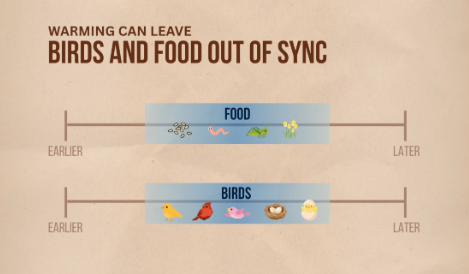
Climate change compounds these challenges by altering migratory routes and timings. For instance, as temperatures rise, some birds may migrate earlier in the spring, risking a mismatch with food availability. This shift can jeopardize their chances of successfully raising young, posing further risks to species survival. Climate action, from individual lifestyle changes to larger advocacy efforts, is crucial in mitigating these impacts on migratory patterns.
-
- Stay informed about local bird populations and their health.
-
- Support research initiatives that monitor bird diseases.
-
- Participate in climate advocacy efforts to protect migratory birds.
-
- Engage in citizen science projects to help data collection.
4. The Role of Human Intervention
Human intervention can be a double-edged sword regarding migratory birds. On the one hand, actions like habitat restoration and wildlife corridors have proven beneficial by offering safe passage and resting spots for birds. Organizations dedicated to conservation work tirelessly to create environments that support avian migrations, ensuring vital resources are available during these tumultuous journeys.
On the other hand, well-meaning interventions can sometimes lead to unintended consequences. For example, feeding birds in non-natural settings can cause dependency and disrupt migratory instincts. Thus, promoting responsible interaction with wildlife is crucial in maintaining balance and supporting healthy migratory behaviors. By investing time and resources into thoughtful conservation efforts, we can genuinely aid their survival.
-
- Engage with local wildlife organizations to promote bird welfare.
-
- Avoid feeding birds in unnatural settings to preserve their migration skills.
-
- Review policies that affect habitat conservation and migration support.
-
- Educate your community about responsible wildlife practices.
In conclusion, the journey of migratory birds is fraught with dangers, yet understanding these perils can empower us to take actionable steps toward their protection. By advocating for responsible practices and engaging with conservation efforts, we can enhance the odds of survival for these incredible species. Start today by learning more about local migrations or helping your community become more bird-friendly.