Flamingos are captivating creatures, known for their vibrant pink feathers and unique feeding styles. Their feeding behavior, particularly in shallow lakes, plays a crucial role in their survival and the overall ecosystem. Understanding how these birds find nourishment can provide fascinating insights into their lives and the environments they inhabit.
1. The Unique Adaptations of Flamingos
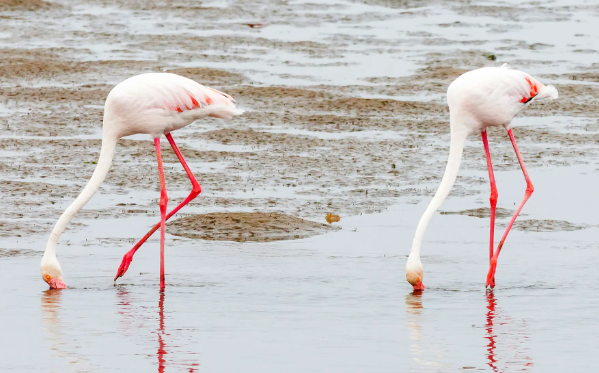
Flamingos have evolved several remarkable adaptations that enable them to thrive in shallow lakes. Their long necks and specialized bills allow them to filter feed efficiently. Unlike many avian species, flamingos can turn their beaks upside down in the water, a technique critical for accessing food such as algae, brine flies, and small crustaceans.
This unique feeding adaptation is essential for their diet, which is rich in carotenoids, the source of their pink coloration. Their feet are also adapted for stirring up sediment, which helps to release more food particles into the water column. By using these specialized techniques, flamingos can maximize their food intake in environments that may seem harsh or limited in resources.
-
- Observe the flamingos closely to notice their unique feeding techniques.
-
- Pay attention to the water’s depth; they thrive in very shallow areas.
-
- Learn about the food sources present in their habitats.
-
- Understand the role of algae in the local ecosystem.
2. Social Feeding Behavior
Flamingos are highly social birds and often feed in groups. This social behavior provides several advantages, including increased foraging efficiency and protection from predators. By moving in unison, they help stir up sediment, making it easier for all individuals in the flock to access food.
Moreover, this collective feeding can lead to more successful foraging since they can cover larger areas as a group. Their synchronized feeding sometimes resembles a ballet as hundreds of birds dip their heads simultaneously into the water. Social interactions during feeding can also reinforce flock dynamics, which are vital for their survival in the wild.
-
- Join guided tours to watch flamingos feed in large groups.
-
- Take notes on the behavior patterns among flock members.
-
- Scan for predators during feeding times to see how they respond.
-
- Appreciate the importance of social structures in their feeding behavior.
3. Seasonal Variation in Feeding Behavior
The feeding behavior of flamingos varies significantly with the seasons, influenced by food availability and environmental conditions. During the dry season, shallow lakes may recede, concentrating food sources and leading to more aggressive foraging behaviors. Conversely, during the wet season, these birds can afford to spread out over larger areas, resulting in a more relaxed feeding environment.
These seasonal changes not only affect the availability of food but also impact the growth and reproductive success of flamingos. For instance, adequate food supply during the nesting season is crucial for the nourishment of chicks. Observing these seasonal patterns can provide deeper insights into the adaptability and resilience of flamingos in response to their environment.
-
- Track the local rainfall and its effect on lake levels.
-
- Document the diversity of food sources across seasons.
-
- Note changes in flock behaviors with seasonal shifts.
-
- Research how climate change might affect these seasonal behaviors.
4. The Role of Habitat in Feeding
The habitat of flamingos plays a vital role in their feeding behavior. Shallow lakes, lagoons, and saline waters are key environments where flamingos find their food. These locations usually have abundant algae and small organisms that provide the necessary nutrients for their diet. The quality of these habitats can fluctuate due to human activity, climate change, and pollution.
Healthy wetlands support not only flamingos but also a diverse range of flora and fauna. Conservation efforts are crucial to preserve these vital ecosystems. Protecting their habitats ensures that flamingos have access to the food sources essential for their survival. Engaging in local conservation initiatives can contribute to maintaining these critical environments.
-
- Identify local wetland areas that support flamingo populations.
-
- Learn about conservation projects focusing on wetland restoration.
-
- Participate in community clean-up efforts to protect water quality.
-
- Advocate for sustainable practices to safeguard flamingo habitats.
Understanding flamingo feeding behavior in shallow lakes offers valuable insights into their adaptations, social structures, and the importance of their habitats. By recognizing these intricacies, we can foster a deeper appreciation for these remarkable birds and contribute to their conservation. Whether you’re an avid bird watcher or simply curious about wildlife, become an advocate for flamingo welfare and engage with their environments in meaningful ways.