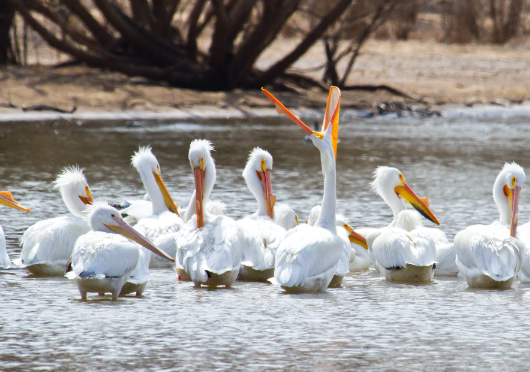
Pelicans are fascinating birds known for their distinctive appearance and remarkable fishing skills. One of the most impressive aspects of their behavior is their ability to hunt fish in coordinated groups. This technique highlights not only their intelligence but also their social dynamics as they work together to secure a meal.
1. The Dynamics of Group Hunting
When pelicans hunt in groups, they often form a “U” shape or a line to surround schools of fish. This formation works effectively to trap fish in a confined space, making it easier for the birds to catch their prey. Their synchronized movements demonstrate a high level of communication and teamwork, essential for a successful hunt.
During the hunt, you can observe the pelicans taking turns diving into the water, employing their iconic bill-dipping technique for maximum efficiency. These group efforts are not casual; they require precise timing and awareness of each other’s movements, which can be honed over time through repeated hunting experiences. This complex behavior shows the advanced social structure and intelligence pelicans possess.
-
- Observe pelican formations during hunting to understand their strategies.
-
- Take note of how they interact with each other before a dive.
-
- Watch for vocal communication cues among the pelicans.
-
- Learn about their social structures and hierarchies within groups.
-
- Document any changes in their techniques based on environmental factors.
2. The Importance of Teamwork
Teamwork is crucial for pelicans, especially when it comes to hunting. By coordinating their movements, they can cover more area and increase their chances of catching fish. This collaboration reduces the energy expended by individual birds, allowing them to focus on catching their share of the meal.
Moreover, hunting in groups offers safety in numbers. When pelicans work together, they can fend off potential threats from predators, such as large fish or birds of prey. Their ability to trust one another ensures that they can hunt more effectively, showcasing the essential role of social bonds in their survival.
-
- Recognize the strengths that come from working in a group.
-
- Consider how teamwork influences their hunting success rates.
-
- Observe how younger pelicans learn from experienced hunters.
-
- Reflect on how you can apply teamwork principles in your own life.
-
- Research other species that hunt collaboratively, drawing parallels with pelicans.
3. Learning and Adapting Through Experience
Persistent group hunting enables pelicans to learn from each encounter. Younger pelicans often accompany more experienced birds, picking up effective hunting strategies and adapting learned behaviors to improve their skills. This mentorship aspect of hunting plays a crucial role in their development and survival.
Pelicans can also adapt their hunting techniques based on environmental changes. For instance, if fish become scarce in shallow waters, they may alter their strategies to dive deeper or explore different locations altogether. Such adaptability illustrates their intelligence and ability to thrive despite varying conditions.
-
- Pay attention to the younger pelicans during hunting excursions.
-
- Take note of changing techniques in response to water conditions.
-
- Document successful versus unsuccessful hunting strategies.
-
- Encourage wildlife observation to connect with nature’s learning processes.
-
- Share your observations with local wildlife groups or online forums.
Understanding the intricate dynamics of how pelicans hunt in coordinated groups not only reveals their fascinating social behaviors but also teaches us valuable lessons about teamwork, adaptability, and learning from others. As we observe these incredible birds, let’s apply these lessons to our own lives, fostering collaboration and resilience in our communities.