Birds of prey, known for their incredible hunting skills and majestic flight, are often the stars of stunning slow-motion documentaries. These films not only capture their beauty but also provide insight into their behaviors and adaptations.
In this blog post, we will explore how slow-motion footage enhances our understanding of these magnificent creatures and offers a unique perspective on their flight mechanisms.
1. The Science Behind Slow-Motion Footage
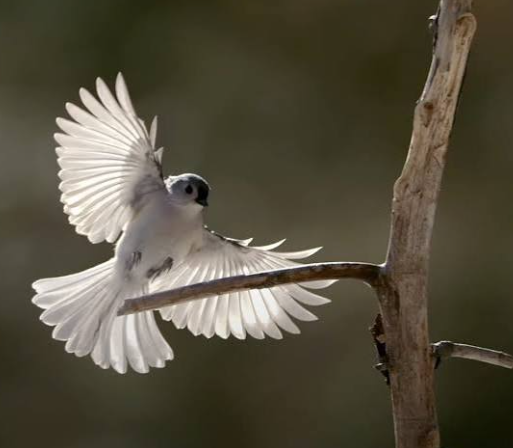
Slow-motion footage allows us to witness the intricate details of birds of prey in flight that are often missed at normal speed. Using high-speed cameras, filmmakers can capture the rapid wing beats and various flight patterns of these birds. For example, a hawk can flap its wings up to four times per second when diving, a feat that highlights their powerful musculature and aerodynamic adaptation.
Additionally, slow-motion visuals reveal the subtle yet critical movements that facilitate these birds’ agility. Observing how they adjust their wings and tails in real-time offers a deeper understanding of how they navigate changing air currents. In essence, this technology transforms our viewing experience from passive observation into an active learning session.
-
- Familiarize yourself with high-speed camera technology.
-
- Understand the basics of avian anatomy related to flight.
-
- Study the physics of motion in relation to bird flight.
-
- Find slow-motion documentaries that specifically focus on birds of prey.
2. Slow-Motion in Action: Amazing Examples
One of the most captivating aspects of slow-motion documentaries is how they portray hunting behavior. For instance, the way an eagle locates its prey from high altitudes is mesmerizing when shown in detail. The slow-motion capture of their fierce dive, known as a stoop, allows viewers to appreciate the precision with which they strike their target.
In documentaries featuring peregrine falcons, the speed and accuracy of their dives are highlighted, revealing how they can reach speeds of over 240 miles per hour. This combination of speed, strength, and agility underlines the evolutionary adaptations that have made them one of the most effective hunters in the avian world.
-
- Research specific birds of prey known for unique hunting techniques.
-
- View documentaries that highlight these hunting moments.
-
- Notice variations in hunting styles among different species.
-
- Reflect on how these techniques can inspire human innovation.
3. Captivating Narratives and Environmental Themes
Many slow-motion documentaries don’t just focus on the flight mechanics of birds of prey; they also delve into their role in the ecosystem. Filmmakers often weave in narratives that discuss conservation strategies and the impact of habitat loss on these species. For example, documenting the plight of the California condor serves a dual purpose: showcasing the bird’s incredible flight and raising awareness about its endangered status.
Furthermore, these documentaries often highlight the interconnectedness of different species within an ecosystem. A well-crafted narrative can effectively present how hawks, eagles, and falcons play critical roles in maintaining the balance of their habitats. This approach engages viewers emotionally, fostering a deeper connection to the wildlife and emphasizing the need for conservation efforts.
-
- Choose documentaries that incorporate environmental messages.
-
- Explore conservation organizations working to protect birds of prey.
-
- Attend local talks or webinars on wildlife conservation strategies.
-
- Share what you learn with friends or on social media to spread awareness.
4. The Future of Wildlife Documentaries
As technology continues to advance, the future of wildlife documentaries looks promising. Innovations like drone technology and 4D filming techniques may revolutionize how we capture and experience the flight of birds of prey. These advancements can provide even more immersive experiences, allowing viewers to feel closer to these majestic animals in their natural habitats.
Moreover, with the increasing popularity of streaming services, it is easier than ever to access a variety of wildlife documentaries. Viewers can indulge in both educational and awe-inspiring content that centers around these fascinating creatures. As the demand for high-quality nature content grows, filmmakers are likely to explore new angles and stories related to birds of prey.
-
- Stay updated on technological advancements in filming wildlife.
-
- Subscribe to streaming services that offer nature documentaries.
-
- Explore user-friendly platforms that allow amateur filmmakers to share their footage.
-
- Participate in local wildlife festivals celebrating such documentaries.
In conclusion, slow-motion documentaries focusing on birds of prey provide valuable insights into their unique flight mechanics, hunting behaviors, and ecological importance. By engaging with this content, viewers can foster a deeper understanding of these magnificent creatures and contribute to their conservation. Consider exploring more documentaries or even participating in local conservation efforts to help preserve these incredible birds for future generations.