Swans are among the most majestic birds, known not just for their beauty but also their complex social behaviors, especially during nesting season. One of the most striking aspects of their behavior is territoriality, which can significantly influence their reproductive success and that of nearby birds.
1. Defining Territorial Behavior
Territorial behavior in swans primarily involves establishing and defending a specific area during the nesting season. This space is crucial for their breeding activities, where they build nests, lay eggs, and raise cygnets. Male swans typically take the lead in defending the territory, showcasing aggressive behaviors to deter intruders. The initial display often involves head bobbing, hissing, and spreading wings to intimidate other swans that may wander into their claimed space.
During this period, swans use both vocalizations and physical displays as communication methods. The calls of swans serve multiple purposes, such as alerting potential rivals of their presence and strengthening pair bonds between mated partners. It’s not just about aggression; it also builds community relationships among neighboring swans, leading to a clear understanding of boundaries.
-
- Learn to recognize swan calls and displays to identify territorial behavior.
-
- Keep a safe distance from swan nests to avoid provoking defensive actions.
-
- Observe pairs of swans as they establish their territory; watch for specific behaviors.
-
- Educate others about swan territoriality to promote respectful interactions.
2. Rituals and Displays in Territory Formation
The formation of a territory involves elaborate rituals and displays among swans. When a pair decides to settle in a particular area, they engage in mutual preening, synchronized swimming, and territorial displays to reinforce their bond. These behaviors not only affirm their partnership but also send a clear message to other swans that this area is claimed. The more elaborate the displays, the higher the chances of deterring rival swans from entering their territory.
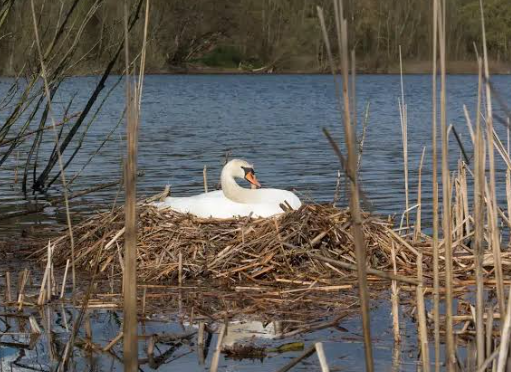
Another interesting aspect is the use of nesting materials. When building nests, swans will often collect materials from their territory, which can serve as both a shelter for their eggs and a visual signal of their claim. The construction is a public display of dominance, as swans select specific sites that are strategically advantageous, minimizing the risk of disturbance from other animals and maximizing protection against predators.
-
- Observe swan displays during mating rituals to understand their behavior.
-
- Take note of nesting materials and locations for potential disturbance factors.
-
- Understand that swans may change their nesting locations if heavily disturbed.
-
- Document any interactions you see between swans and neighboring territories.
3. Consequences of Territorial Aggression
While defending territory is critical for swan survival and reproductive success, it also carries risks. Aggressive encounters can lead to injuries not just for the intruder but also for the defending pair. These situations are often exacerbated during seasons when food is scarce or when there are insufficient nesting sites available. As a result, swans may become increasingly aggressive, leading to conflicts that can jeopardize their well-being and that of their young.
Moreover, constant territorial disputes can affect the overall health of a population. If swan pairs are engaged in relentless battling, it can result in increased stress which might impact their ability to care for cygnets. The outcome of aggressive territorial behavior necessitates a delicate balance where swans must defend their nest effectively but simultaneously avoid unnecessary conflicts that could hinder their reproductive efforts.
-
- Monitor the health of swan populations; observe how aggression affects their numbers.
-
- Be cautious during nesting season and respect their space to prevent triggering aggressive behaviors.
-
- Support local conservation efforts that help maintain healthy habitats for swans.
-
- Educate yourself on swan injury signs to assist in their care if needed.
4. Community Interactions Among Swans
While swans are known for their territoriality, they also participate in a broader community structure. Neighboring swan pairs often establish a mutual understanding to coexist peacefully, recognizing each other’s territories without unnecessary conflict. This social network can provide benefits, such as collective vigilance against predators or other threats, while also reducing the energy expenditure associated with constant territorial battles.
Interestingly, young swans, known as cygnets, may often stay with their parents for a while after maturing, learning these community dynamics and territory management. This education is important for their survival, as it equips them with the necessary skills to establish their territories and navigate relationships with other swans effectively.
-
- Observe how swans interact with neighbors; look for signs of cooperation.
-
- Learn about how swan families raise their young and the social structure involved.
-
- Participate in local conservation programs to help protect swan habitats.
-
- Engage in community education about the importance of respecting wildlife.
In conclusion, the territorial behavior of swans during nesting season is a fascinating blend of aggression, communication, and community dynamics. Understanding these behaviors can help promote better coexistence with these beautiful birds. Take the opportunity to observe their interactions responsibly and contribute to efforts aimed at conserving their habitats, ensuring that these magnificent creatures continue to thrive.