For cat owners, litter boxes are a necessary part of life, yet they often come with questions and concerns. Understanding how to choose the right litter box, maintain it effectively, and solve common problems can significantly improve both your cat’s well-being and your home environment. Let’s delve into the essential aspects of litter boxes to help you create a happier space for you and your feline friend.
Choosing the Right Litter Box
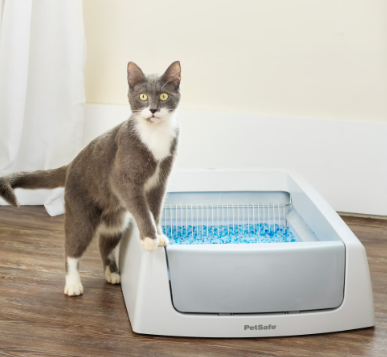
When it comes to selecting a litter box, size and style matter. A general rule of thumb is to have one litter box per cat, plus one extra. This helps reduce territorial disputes and encourages proper bathroom habits. Consider different styles: open boxes are easy to clean and provide easy access, while covered boxes offer privacy and contain odors. Additionally, make sure the box is large enough for your cat to turn around comfortably, as cramped spaces can cause stress and accidents outside the box.
Choosing the right type of litter is equally important. From clumping clay to biodegradable options, each type has its pros and cons. Observe what your cat seems to prefer; experimenting with different litters can lead you to the one that suits both your cat’s needs and your lifestyle.
Maintenance Tips for a Clean Environment
Regular maintenance is key to a happy litter box experience. Aim to scoop the litter box daily to remove waste, and change the litter completely at least once a week. Wash the box with mild soap and water during litter changes to eliminate odors and bacteria. Avoid harsh chemicals, as they can deter your cat from using it. Keeping the area around the litter box clean is also crucial; any stray litter can become a nuisance, so consider using a mat to catch any bits that escape.
Odor control is another important aspect. Look for litters with good clumping properties and natural odor-neutralizing elements. If you notice persistent odors, reevaluate your cleaning routine and make sure you’re not overfilling the box with litter; this can trap waste and lead to unpleasant smells.
Solving Common Issues
Despite our best efforts, litter box issues can arise. If your cat refuses to use the box, it might be a sign of stress, an unclean environment, or a medical issue. A change in location can also affect box usage—cats often prefer a quiet, low-traffic area for their bathroom needs. If you have multiple cats, consider adding more boxes to minimize conflict.
If you’re facing problems like litter box avoidance or excessive scratching, consult your vet. They can help rule out any medical issues and offer advice tailored to your specific situation. Offering a variety of box styles and litter types can also help you determine what makes your cat most comfortable.
Conclusion
Caring for a litter box may seem like a simple task, but understanding the nuances can enhance your cat’s quality of life and keep your home fresh. By choosing the right litter box, maintaining it properly, and addressing common problems, you’ll create an inviting environment for your furry companion. For more tips and insights on cat care, consider exploring further resources or connecting with fellow cat owners in your community. Happy cat parenting!