Barn Owls are fascinating creatures known for their remarkable adaptations that make them efficient hunters. Among these adaptations, their ability to fly silently and their exceptional hearing abilities set them apart from many other birds. Their pale face, heart-shaped facial disc, and ghost-like movement have also inspired wildlife art and garden decoration, where an owl statue can symbolize wisdom, mystery, protection, and the quiet beauty of nocturnal life.
The Wonder of Silent Flight
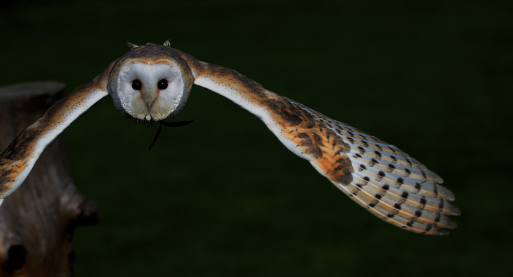
Barn Owls possess specialized feathers that enable them to fly almost entirely noiselessly. The leading edges of their wings have serrated structures that break up the turbulence, allowing for a smoother airflow. This unique design minimizes sound, allowing them to approach their prey stealthily in the dark. The absence of noise is crucial since these owls often hunt in low-light conditions, relying on their acute senses to detect prey.
The fact that their flight is silent provides a significant advantage when hunting. They can swoop down on unsuspecting rodents or other small mammals without alerting them in advance. This hunting strategy is vital for survival, as being stealthy increases the likelihood of a successful catch. Unlike many birds, which flap their wings noisily, Barn Owls glide through the air, making them almost ghost-like at times. An owl statue inspired by a Barn Owl can capture this quiet presence through a poised posture, spread wings, or a watchful expression that reflects the bird’s silent hunting style.
- Observe Barn Owls in action during a quiet evening.
- Try to identify when they are approaching prey by their flight patterns.
- Consider how silent flight could benefit other wildlife in the ecosystem.
- Learn about other nocturnal predators that use silent flight.
Super Hearing Abilities
Barn Owls are also equipped with extraordinary hearing capabilities, which are essential for locating prey in total darkness. Their ears are asymmetrical, meaning one is positioned higher than the other. This unique ear placement allows them to pinpoint the exact location of sounds, calculating the distance and direction of their prey with surprising accuracy. This adaptation is especially useful for detecting movements in dense grass or underbrush.
Their heart-shaped facial disc also helps direct sound toward the ears, working almost like a natural acoustic tool. This combination of hearing and facial structure makes the Barn Owl one of the most specialized nocturnal hunters. For wildlife-themed gardens, nature centers, or educational spaces, an owl statue with a clearly defined face can help represent this remarkable adaptation and encourage viewers to learn more about owl biology.
- Experiment with sound-pairing exercises to understand how distance alters sound perception.
- Pay attention to the importance of sound in your own environment.
- Learn about other animals that possess keen hearing capabilities.
- Try to become more aware of sounds around you during evening walks.
The Role of Habitat in Hunting Success
Barn Owls thrive in various habitats, including farmlands, coastal marshes, and open fields. Their primary hunting grounds often feature tall grass or crops where small rodents are abundant. The environment plays a crucial role in providing them with necessary cover to hunt effectively. Additionally, they prefer habitats with plenty of perches like trees or buildings, which allow them to survey their surroundings from a height.
Notably, the presence of Barn Owls can be beneficial for farmers struggling with rodent problems. By encouraging Barn Owls to inhabit their farms, growers can maintain a natural balance, reducing the need for chemical rodenticides. Creating suitable habitats, like owl boxes and maintaining open areas, can promote their presence and enhance their hunting success. In farms, gardens, and countryside landscapes, an owl statue can also serve as a decorative reminder of the owl’s role in natural pest control and ecological balance.
- Research your local environment to identify habitats preferred by Barn Owls.
- Install owl boxes in your yard or farm to attract them.
- Consider planting more native grasses to create suitable hunting grounds.
- Engage with local wildlife organizations to learn about conservation efforts.
Conservation and Protection of Barn Owls
Despite their remarkable adaptations, Barn Owls face numerous threats, including habitat loss, vehicle collisions, and poisoning from rodenticides. Conservation efforts are vital to ensuring their survival and maintaining the ecological balance. Public awareness plays a significant role, as educating communities about these owls can lead to better protection and habitat conservation.
Efforts to conserve Barn Owls can be varied, including rehabilitating their natural habitats and raising awareness about the risks posed by rodenticides. Education programs can help inform farmers about creating Barn Owl-friendly environments while minimizing harm to other wildlife. Engaging in local conservation initiatives is a proactive step toward helping these beautiful owls thrive. In wildlife parks, school gardens, and conservation centers, an owl statue can become an educational focal point, helping people connect visually with the species and remember the importance of protecting nocturnal birds.
- Join local conservation groups focused on wildlife protection.
- Volunteer for habitat restoration projects that benefit Barn Owls.
- Stay informed about local wildlife regulations and conservation efforts.
- Spread awareness on social media about the importance of protecting Barn Owls.
In conclusion, Barn Owls are truly remarkable creatures equipped with silent flight and exceptional hearing that allow them to thrive in their environments. By understanding their unique characteristics and supporting conservation efforts, we can contribute to the survival of this extraordinary species. Whether through habitat protection, responsible farming practices, wildlife education, or the symbolic presence of an owl statue in a garden or nature space, we can help celebrate and protect the quiet hunters of the night.