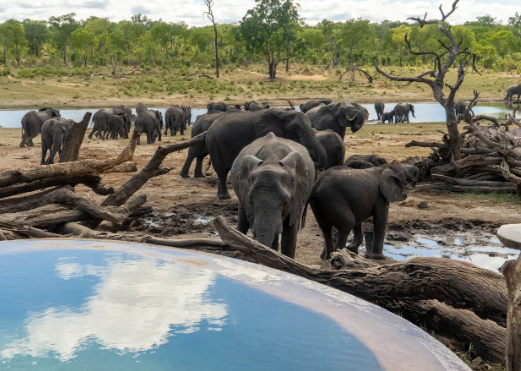
Elephants are remarkable creatures known for their complex social structures and impressive intelligence. One of the most fascinating behaviors observed in elephant herds is their cooperation during predator encounters, which highlights their deep social bonds and survival instincts.
1. Understanding the Herd Dynamics
Elephant herds are typically matriarchal, meaning that a mature female usually leads the group. This matriarch plays a vital role during encounters with predators, such as lions or hyenas. Her experience and knowledge of the environment guide the herd’s reaction, whether that’s retreating to safety or forming a defensive formation. The younger elephants in the herd look to her for cues, and her responses can be critical for their survival.
The social structure allows for effective communication, which is essential during these high-stress situations. Elephants use a variety of vocalizations and body language signals to alert one another about potential threats. Even the subtlest change in the matriarch’s posture can trigger an immediate collaborative response from the rest of the herd, showcasing their strong connection and teamwork.
-
- Observe the matriarch’s behavior to understand herd dynamics.
-
- Recognize vocalizations as alerts for danger.
-
- Encourage younger elephants to pay attention to the leaders.
-
- Establish regular check-ins among herd members for safety.
2. Defensive Strategies in Action
When faced with a predator, elephants employ several defensive strategies that demonstrate their cooperative spirit. One common tactic is to form a protective circle, particularly when calves are present. Adult elephants position themselves around the young, with their tusks facing outward to deter any potential attackers. This formation not only protects the vulnerable members but also displays unity against the threat.
Additionally, elephants are known to coordinate their movements and vocalize to confuse predators. By trumpeting loudly and moving in unison, they can create a formidable barrier that makes it difficult for predators to single out an individual. This level of cooperation among the herd significantly increases their chances of overpowering a threat.
-
- Practice defensive formations in group settings.
-
- Utilize vocal cues for coordinated responses.
-
- Identify vulnerable members who need extra protection.
-
- Stay alert to environmental changes indicating potential danger.
3. Learning and Evolving Together
Cooperation extends beyond immediate threats; it also plays a role in the long-term survival of the herd. Young elephants learn valuable lessons during predator encounters, shaping their behavior for future predicaments. Observational learning is crucial, as younger members pay close attention to how adults respond to danger. Over time, this knowledge creates a more resilient group that can better navigate threats.
Moreover, elephants may share their experiences with neighboring herds, spreading knowledge about specific predators and effective defense strategies. This shared information enriches the collective knowledge within the broader elephant community, ensuring that both young and old alike can adapt and thrive in their environment.
-
- Encourage young herd members to engage in observational learning.
-
- Share successful strategies among different herds.
-
- Document repeated encounters for future reference.
-
- Facilitate mentorship opportunities between experienced and younger elephants.
Elephant herd cooperation during predator encounters is a testament to their intelligence and social complexity. These magnificent creatures demonstrate that working together enhances their chances of survival, and their deep bonds play a crucial role in navigating their wild world. To foster your own understanding of these incredible animals, consider supporting wildlife organizations or participating in local conservation efforts.