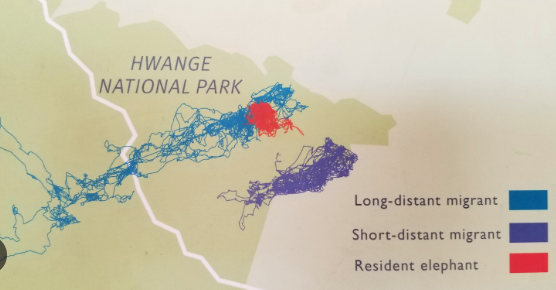
Elephants are remarkable creatures known for their intelligence and social structures, and their migration routes are a fascinating aspect of their behavior. Tracking these routes over multiple seasons helps researchers understand their ecological needs and the challenges they face. In this blog post, we’ll delve into the migration patterns of elephants, focusing on the routes they take, the factors influencing their movements, and the ongoing efforts to ensure their survival.
1. Understanding Elephant Migration Patterns
The migration patterns of elephants are often dictated by seasonal changes in food availability and water sources. During dry seasons, herds tend to migrate towards areas that retain water and vegetation, which are crucial for their survival. For example, in Botswana, elephants migrate from the Chobe National Park to the Okavango Delta, a journey that can stretch over 150 kilometers, showcasing their adaptability and understanding of their environment.
Furthermore, these migration routes are not only influenced by natural resources but also by human activities. Habitat fragmentation due to agriculture, urbanization, and infrastructure development can impede traditional migration routes. In Kenya, for example, the African elephant populations have been increasingly interrupted by roads and fences, making it essential for conservationists to identify and protect these critical pathways to maintain the elephants’ migratory behavior.
-
- Study seasonal vegetation changes to predict migration routes.
-
- Monitor water sources that elephants depend on during droughts.
-
- Engage local communities in conservation efforts to maintain habitats.
-
- Utilize GPS collars to track movements and identify critical areas.
2. Factors Influencing Migration Routes
-
- Conduct regular assessments of local climate conditions.
-
- Encourage observation of social dynamics within elephant groups.
-
- Build community awareness about the importance of road-free migration zones.
-
- Support research initiatives focused on the impacts of climate change on migration.
3. Conservation Efforts and Challenges
<pMoreover, initiatives that foster coexistence between local communities and elephants are crucial for enhancing conservation efforts. Community-based programs that involve local residents in protecting migration routes can mitigate human-elephant conflict. For instance, in Namibia, farmers are trained to employ non-lethal deterrents to keep elephants away from crops, resulting in a win-win situation for both humans and elephants.
-
- Participate in local conservation programs to support fieldwork.
-
- Stay informed about policies affecting elephant habitats.
-
- Encourage responsible tourism that contributes to conservation.
-
- Engage in community outreach to raise awareness of human-elephant coexistence.
Understanding and tracking elephant migration routes across different seasons is vital for their conservation and management. It not only unravels the complexity of their lives but also informs critical actions to sustain their environments. As we continue to monitor and protect these majestic creatures, it is essential to stay informed and involved.
We encourage readers to take action by learning more about local conservation efforts and by supporting organizations dedicated to wildlife protection. Together, we can help ensure a future where elephants can thrive in their natural habitats.